
What Makes Surge Protectors Necessary for Modern Homes
Yes, surge protectors are necessary to shield sensitive electronics from daily voltage spikes, prevent microchip damage, and guard against fire hazards.
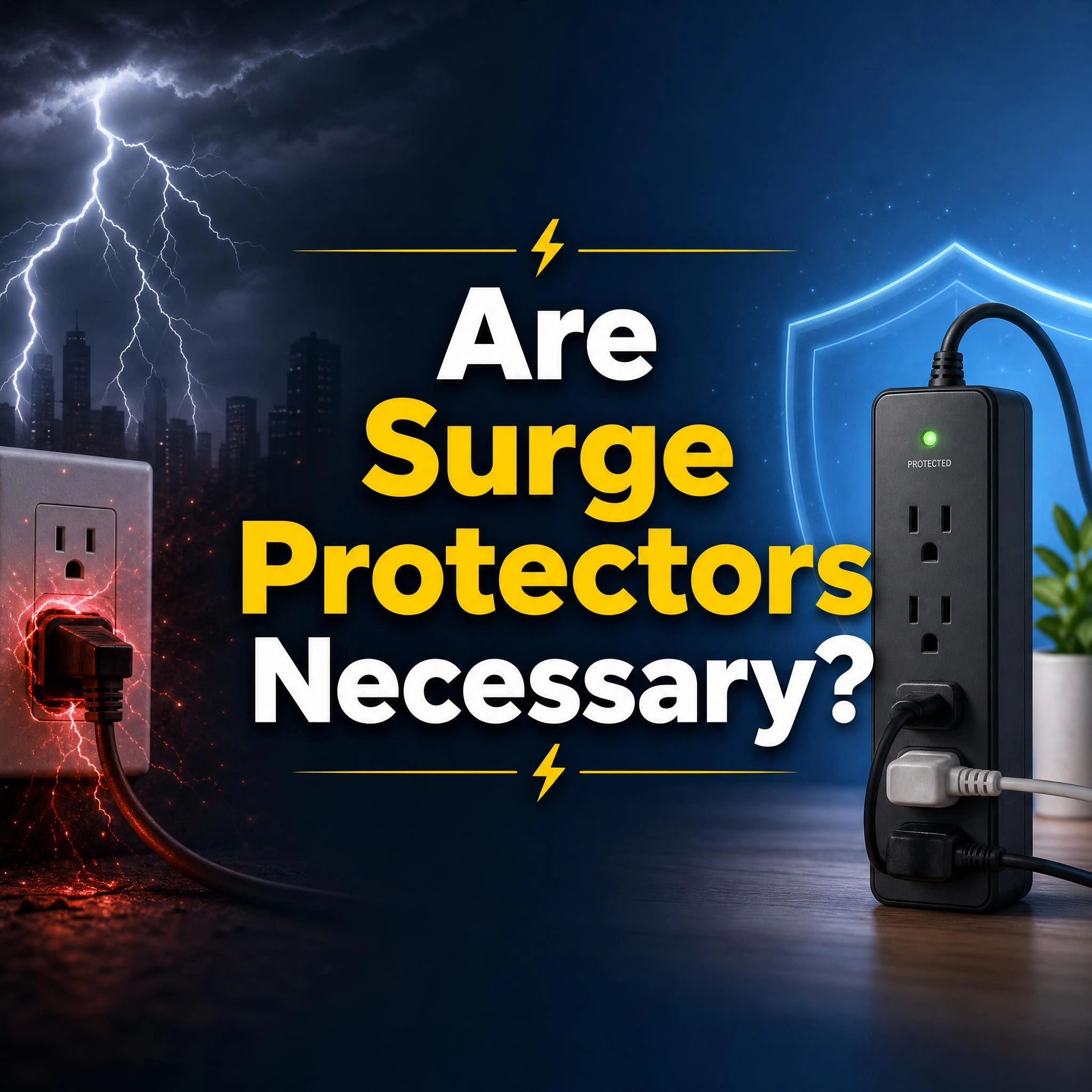
Yes, surge protectors are necessary to shield sensitive electronics from daily voltage spikes, prevent microchip damage, and guard against fire hazards.
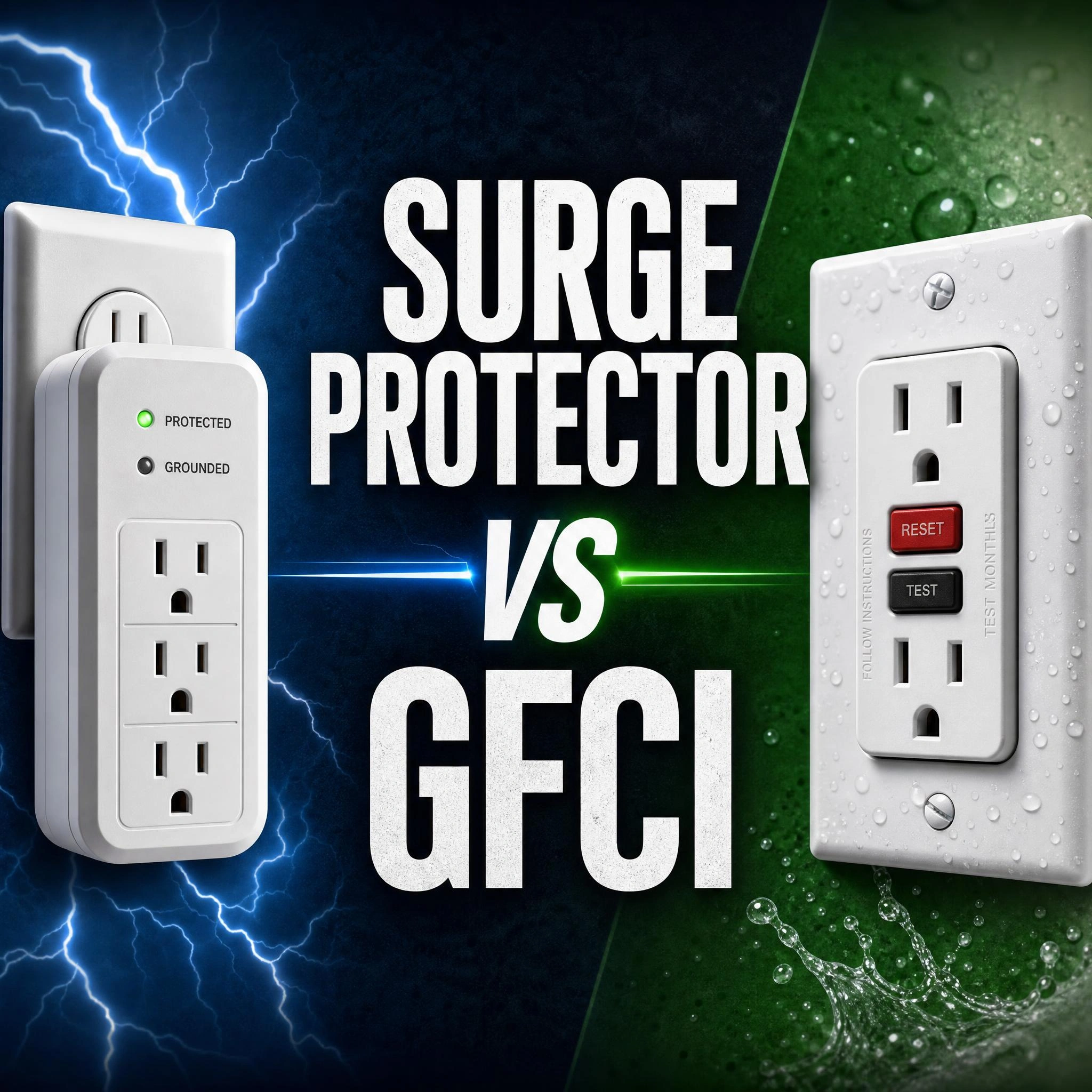
In the surge protector vs GFCI debate, GFCIs protect people from shock while surge protectors shield electronics from voltage spikes. You need both at home.
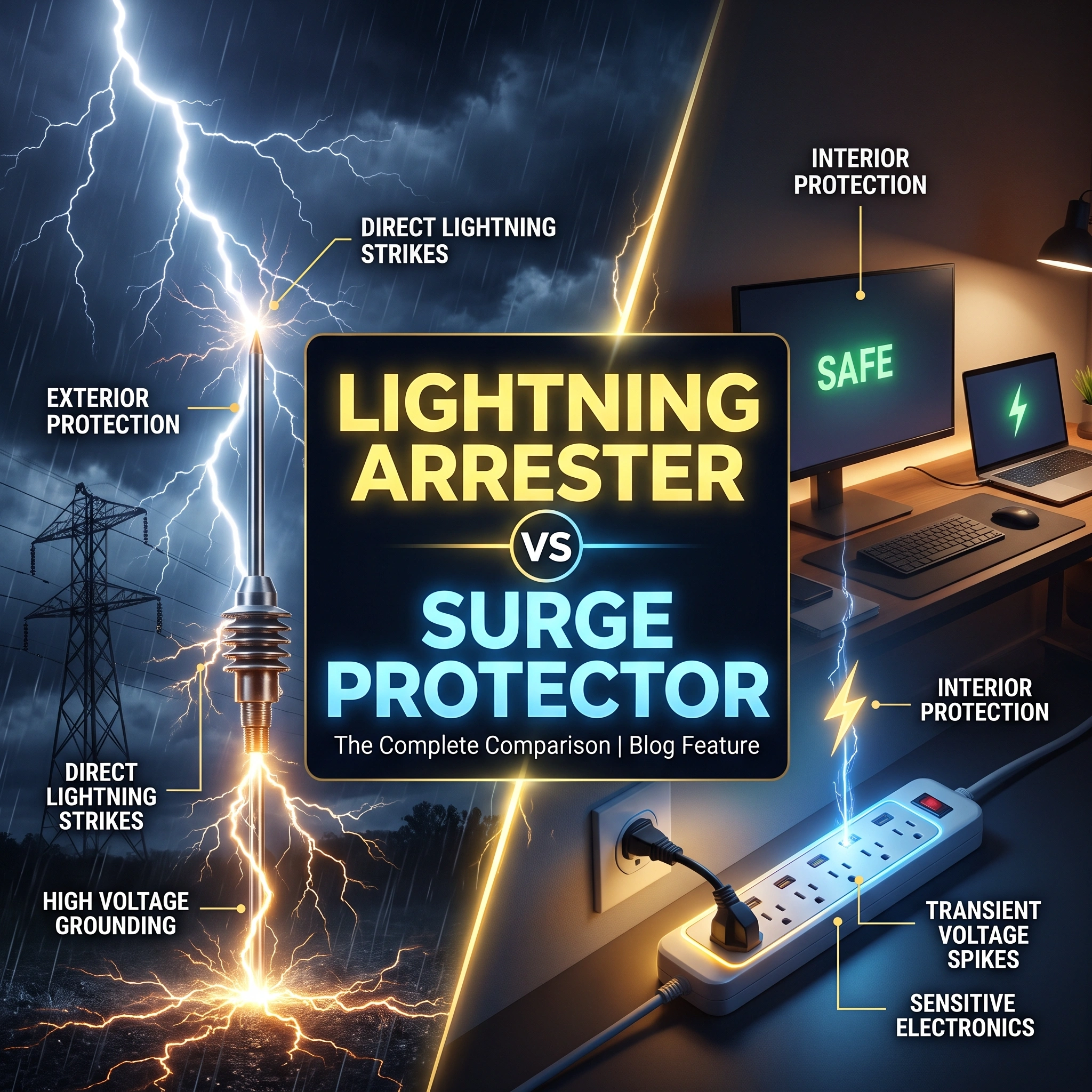
Lightning arrester vs surge protector: Understand how each device protects your property, their main differences, and when to use both for full electrical safety.
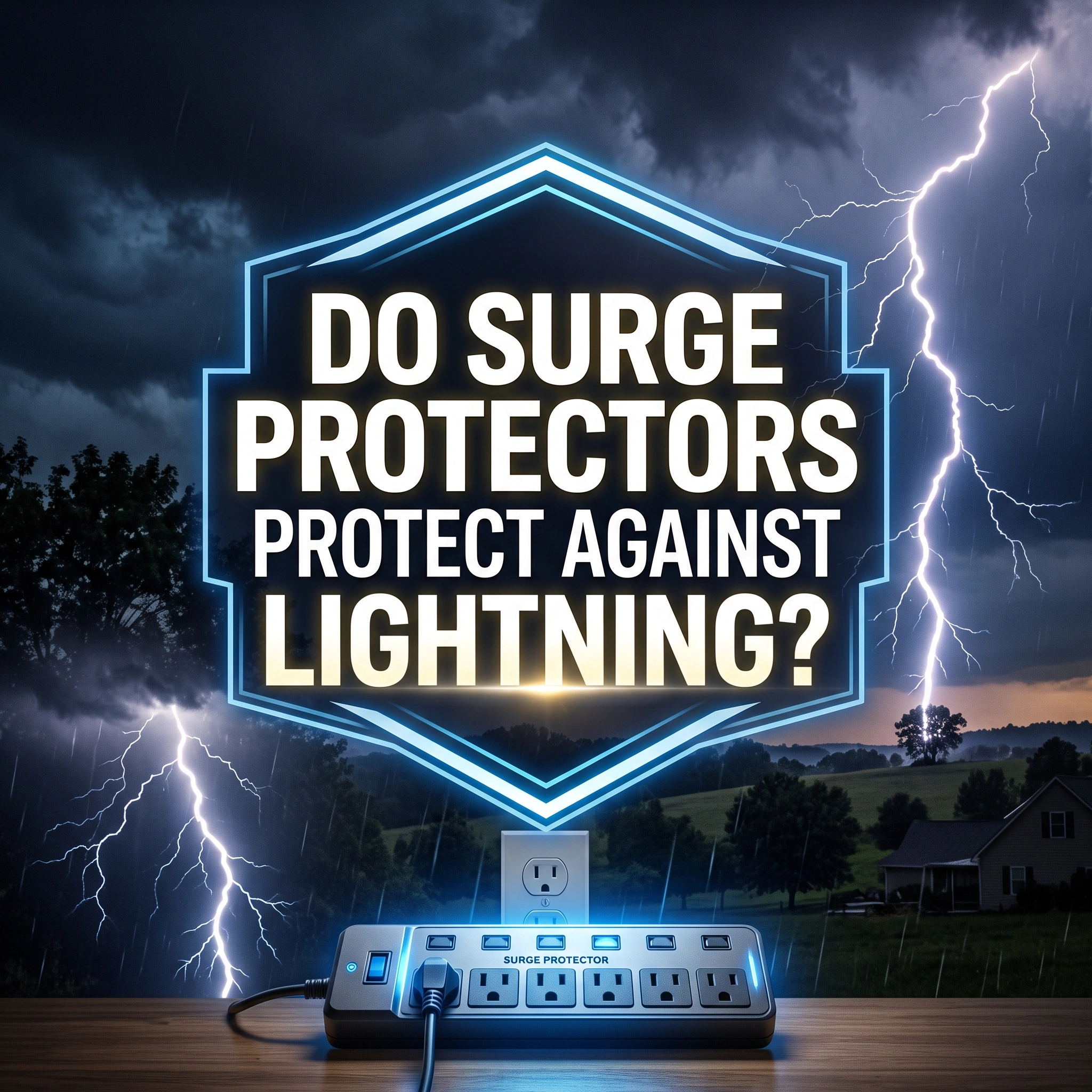
Surge protectors offer limited defense against lightning. They help with smaller surges but cannot fully protect against direct lightning strikes.
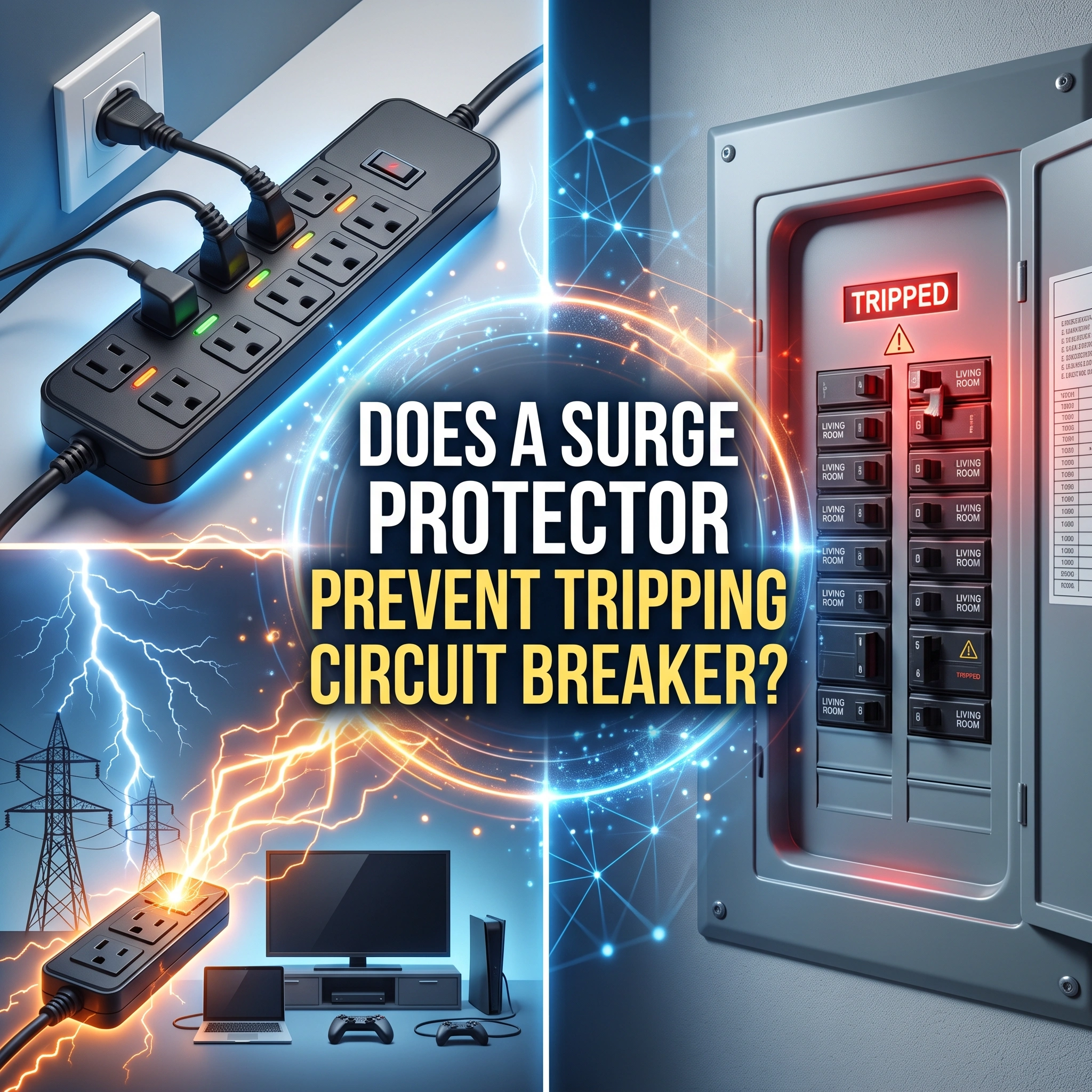
A surge protector does not prevent tripping circuit breaker; it shields devices from voltage spikes, while breakers stop overloads and wiring faults.
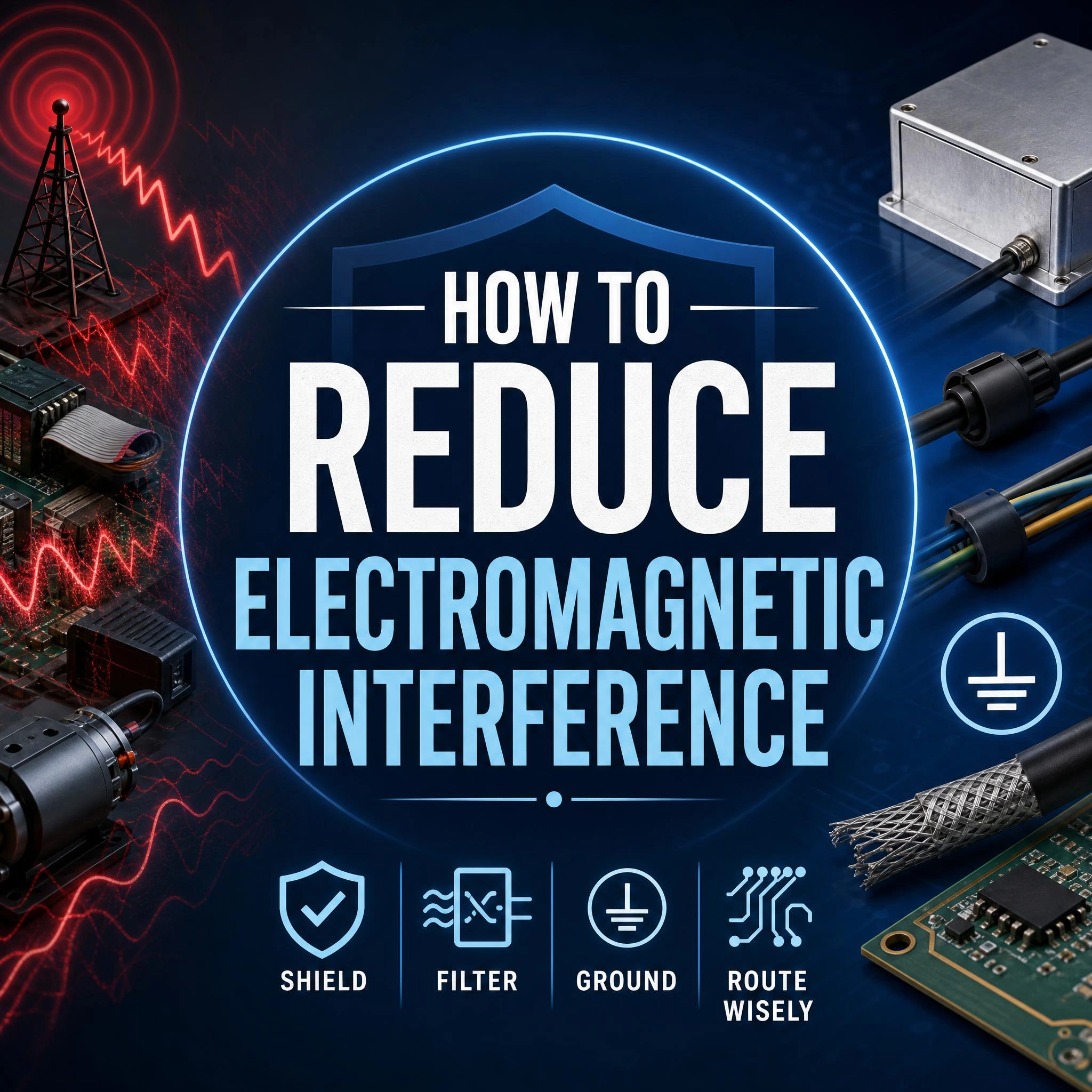
Reduce electromagnetic interference in electronics with simple steps like unplugging devices, organizing cables, and using quality power strips.
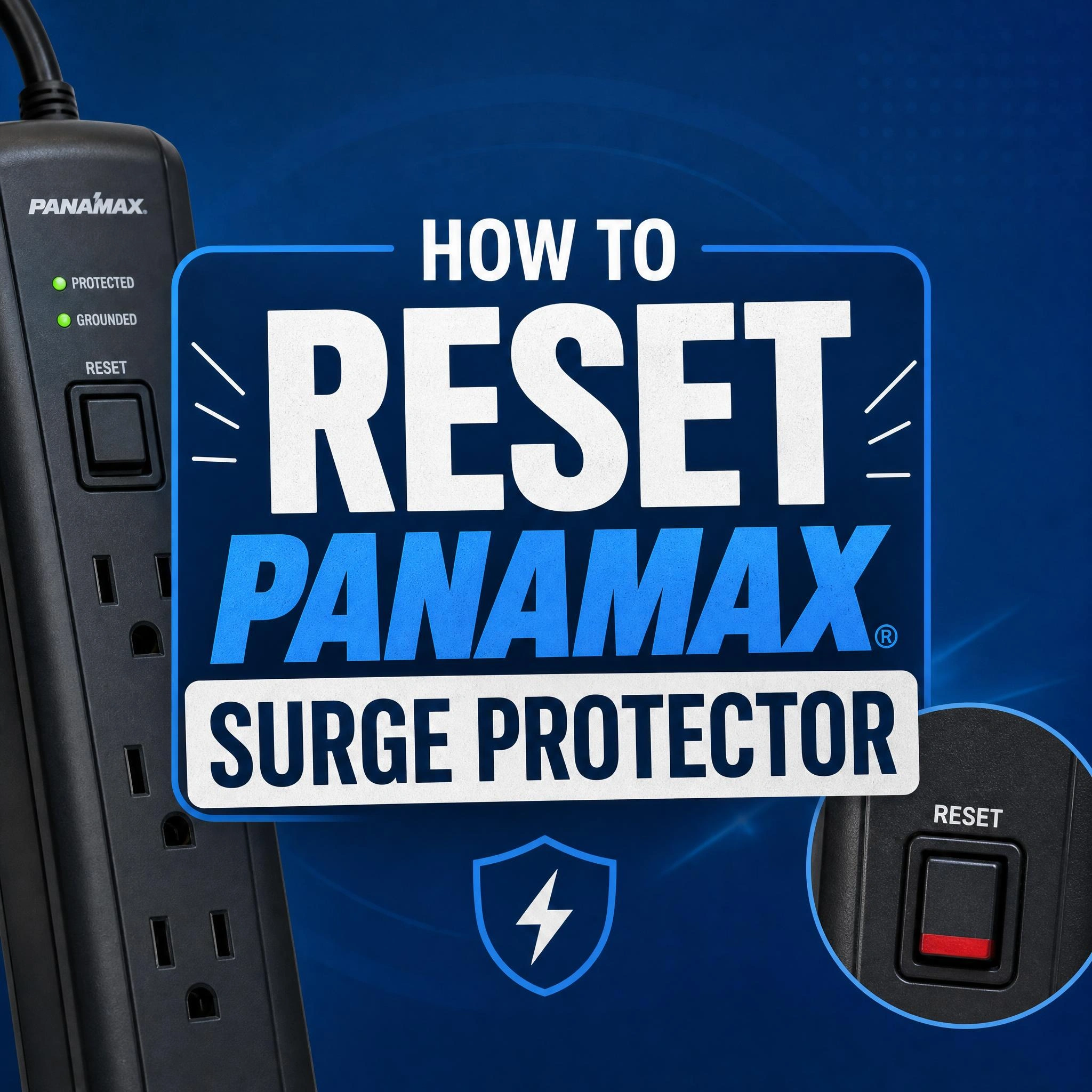
Reset your Panamax surge protector safely with step-by-step instructions. Avoid common mistakes and troubleshoot issues for reliable surge protection.
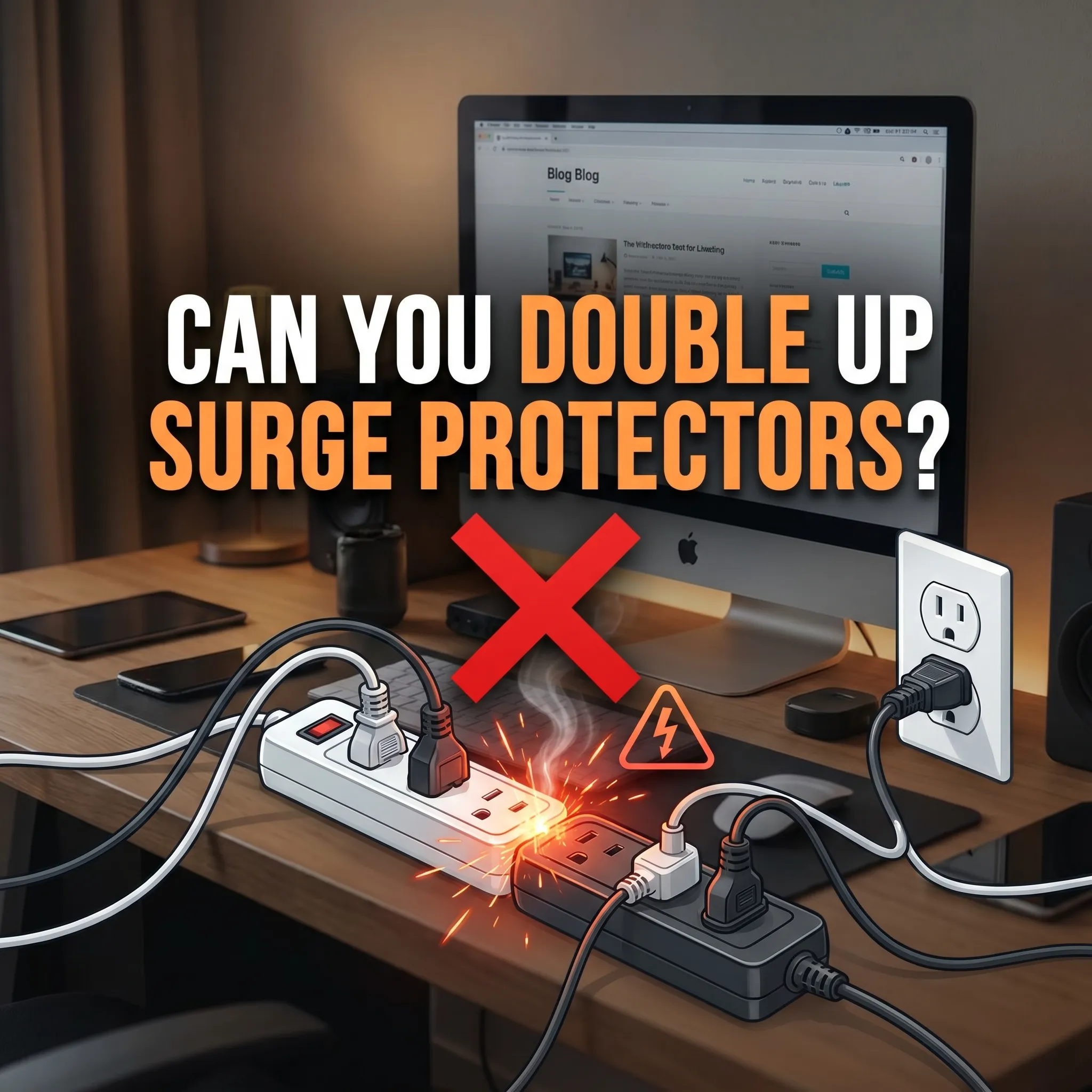
Can you double up surge protectors? Doing so risks fire, overload, and reduced protection. Avoid daisy chaining surge protectors to keep your devices safe.
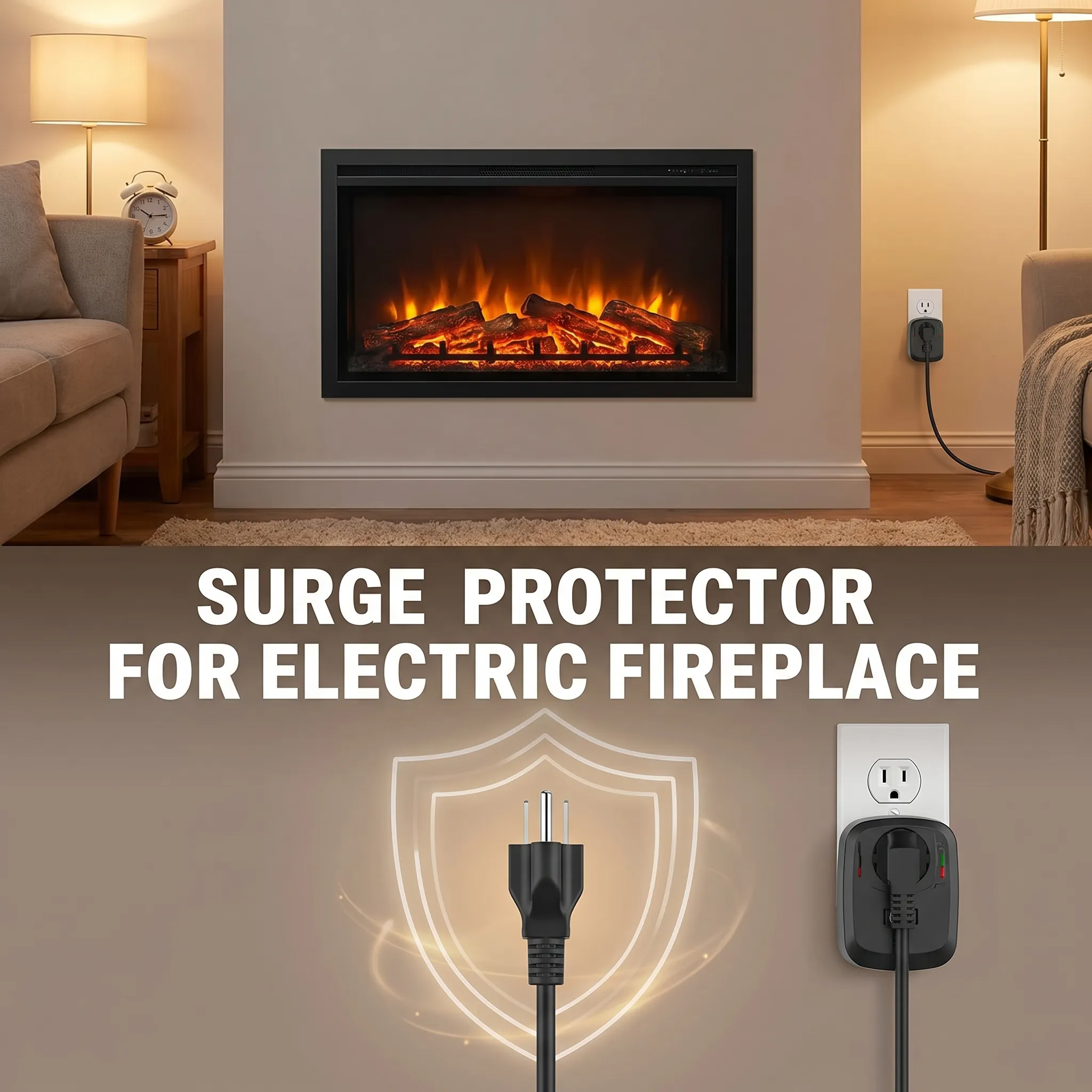
Choose a surge protector for electric fireplace use with proper wattage, UL certification, high joule rating, fast response, and built-in safety features.
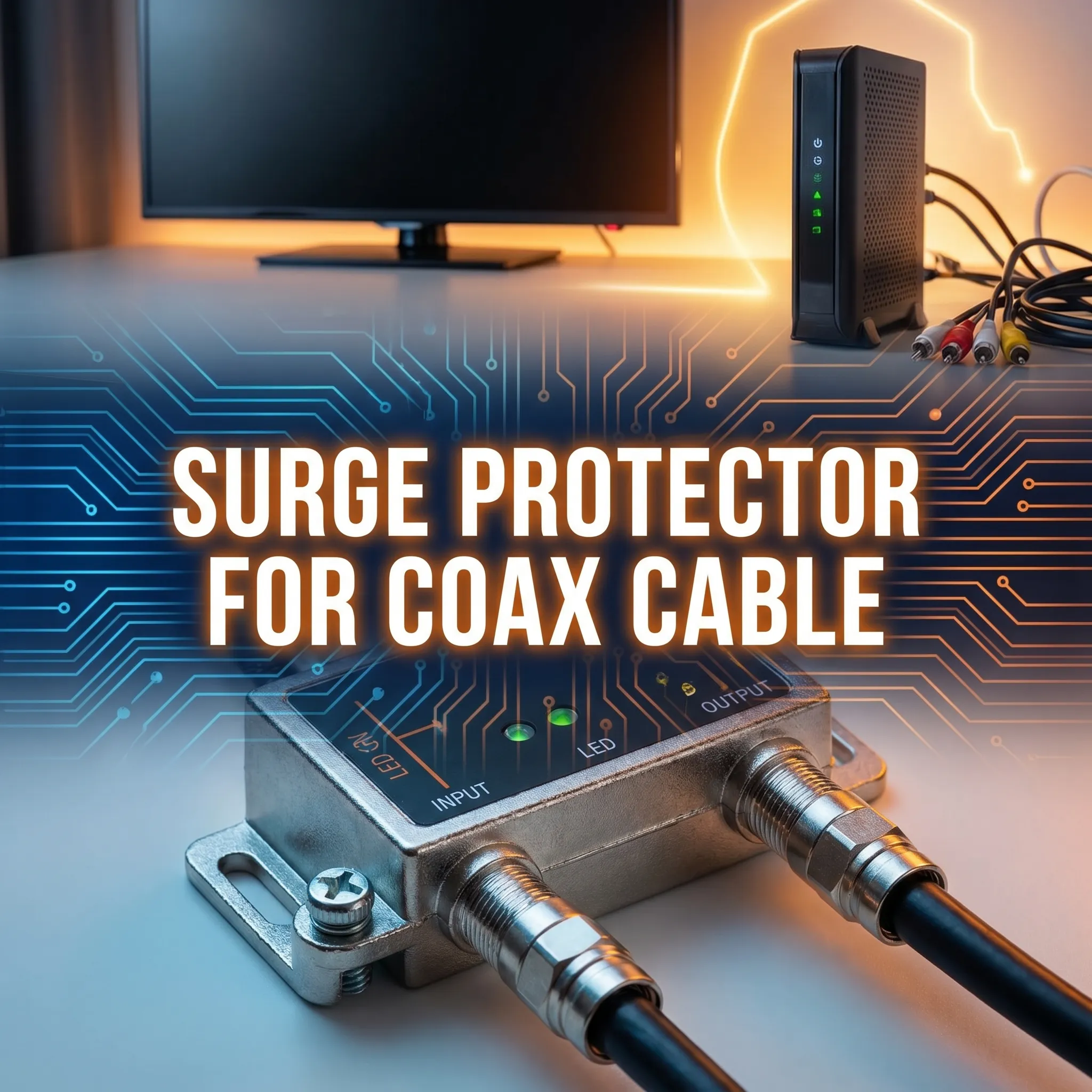
A surge protector for coax cable shields electronics, prevents signal loss, and saves money by protecting your devices from damaging power surges.