
Lightning Arrester vs Surge Protector Key Differences Explained
Lightning arrester vs surge protector: Understand how each device protects your property, their main differences, and when to use both for full electrical safety.
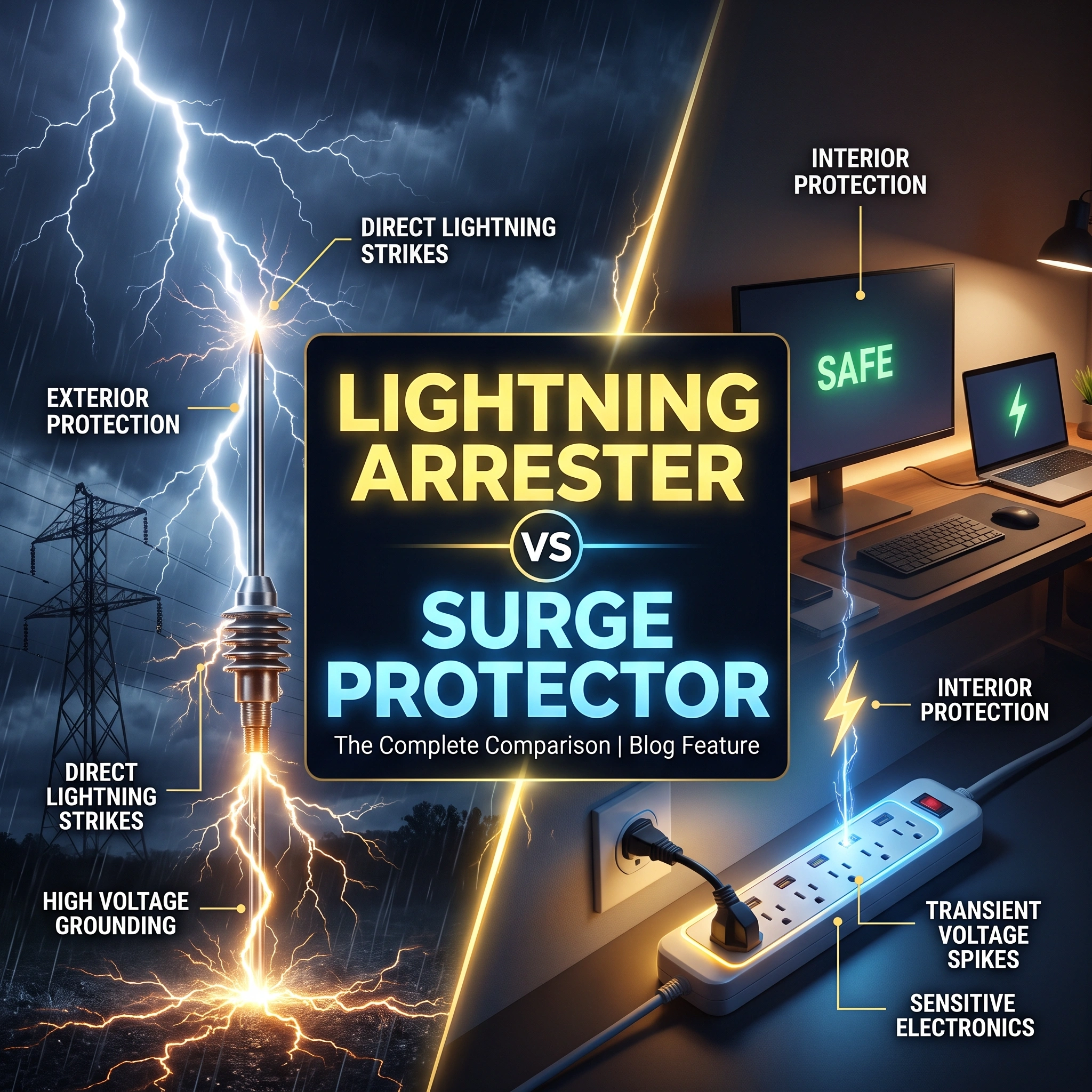
Lightning arrester vs surge protector: Understand how each device protects your property, their main differences, and when to use both for full electrical safety.
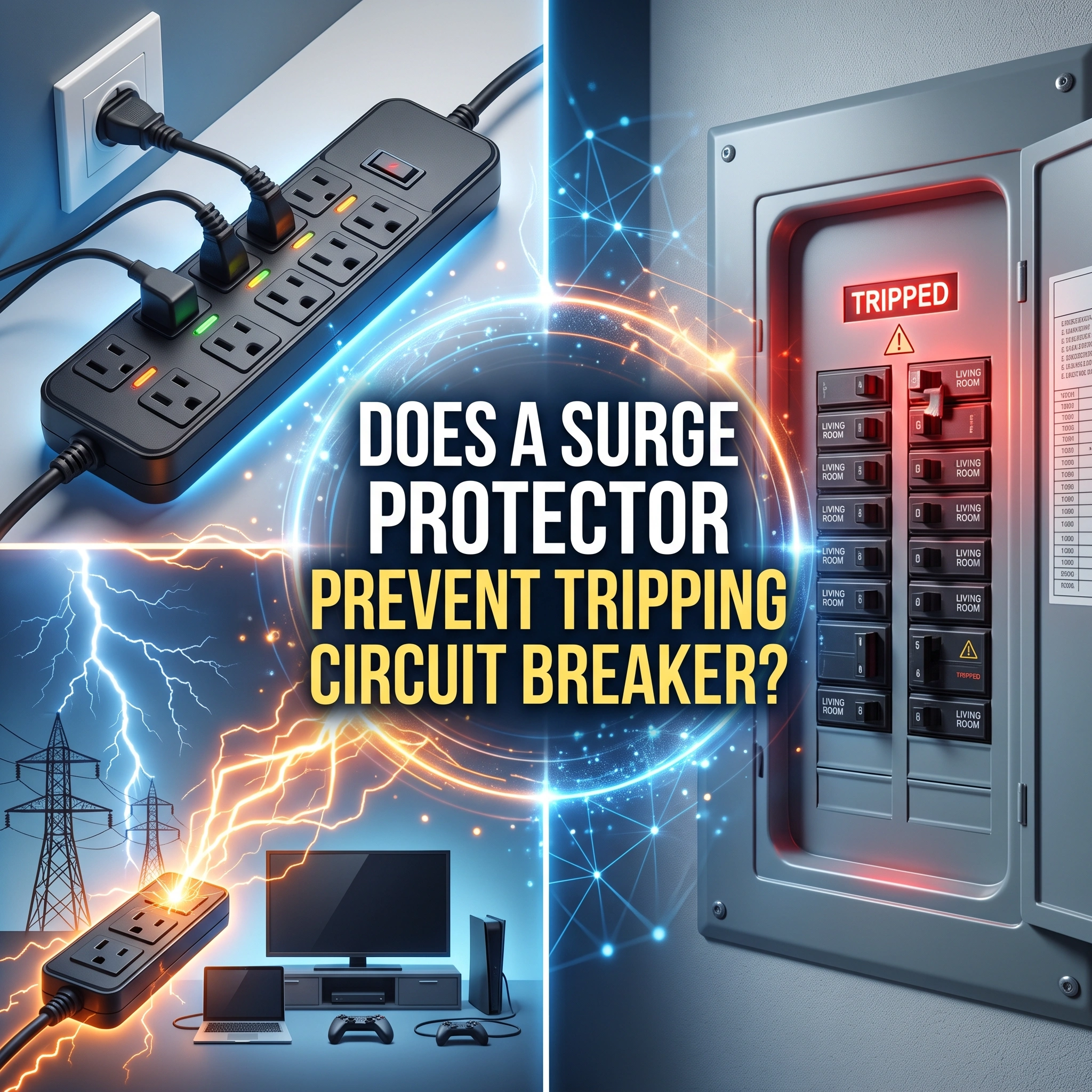
A surge protector does not prevent tripping circuit breaker; it shields devices from voltage spikes, while breakers stop overloads and wiring faults.
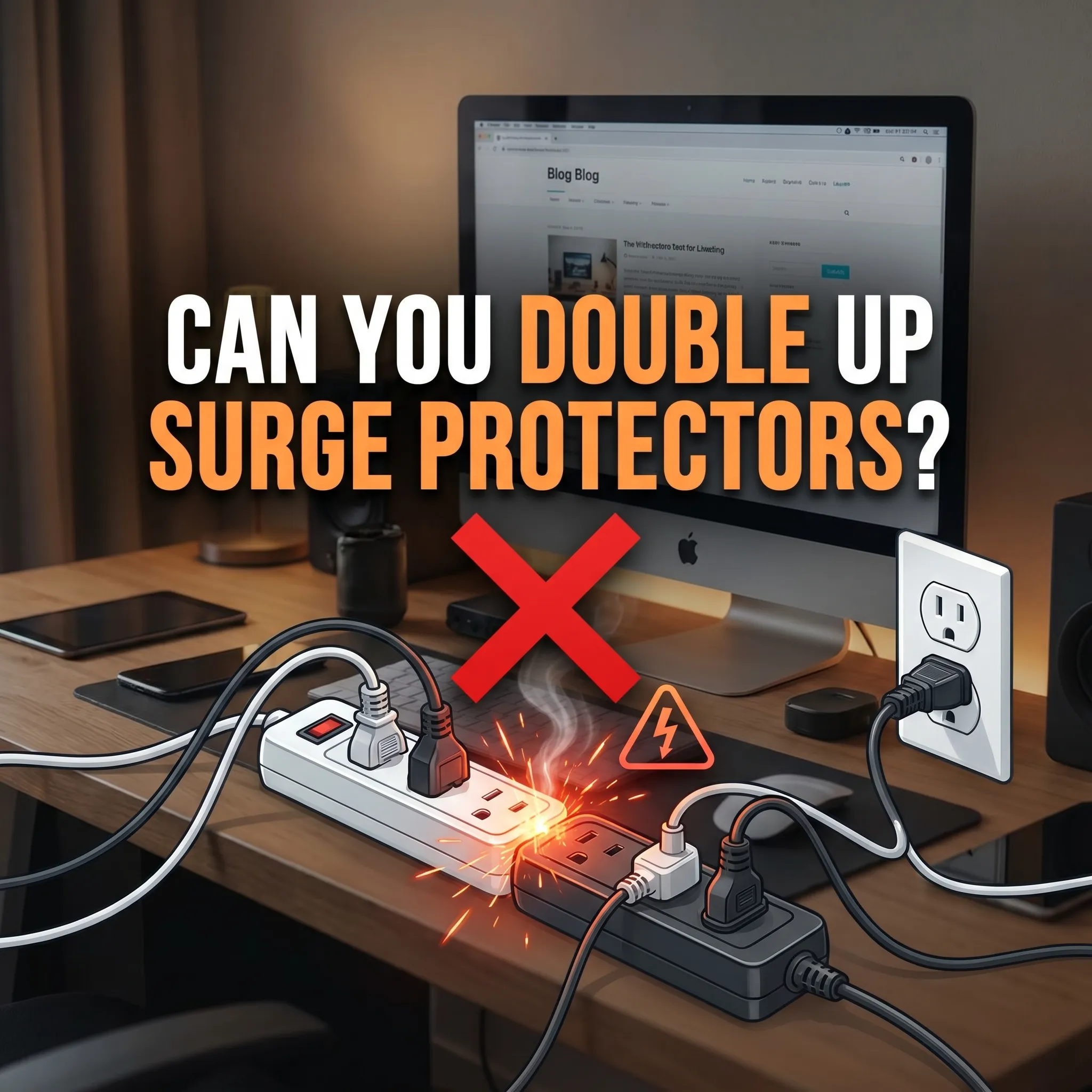
Can you double up surge protectors? Doing so risks fire, overload, and reduced protection. Avoid daisy chaining surge protectors to keep your devices safe.
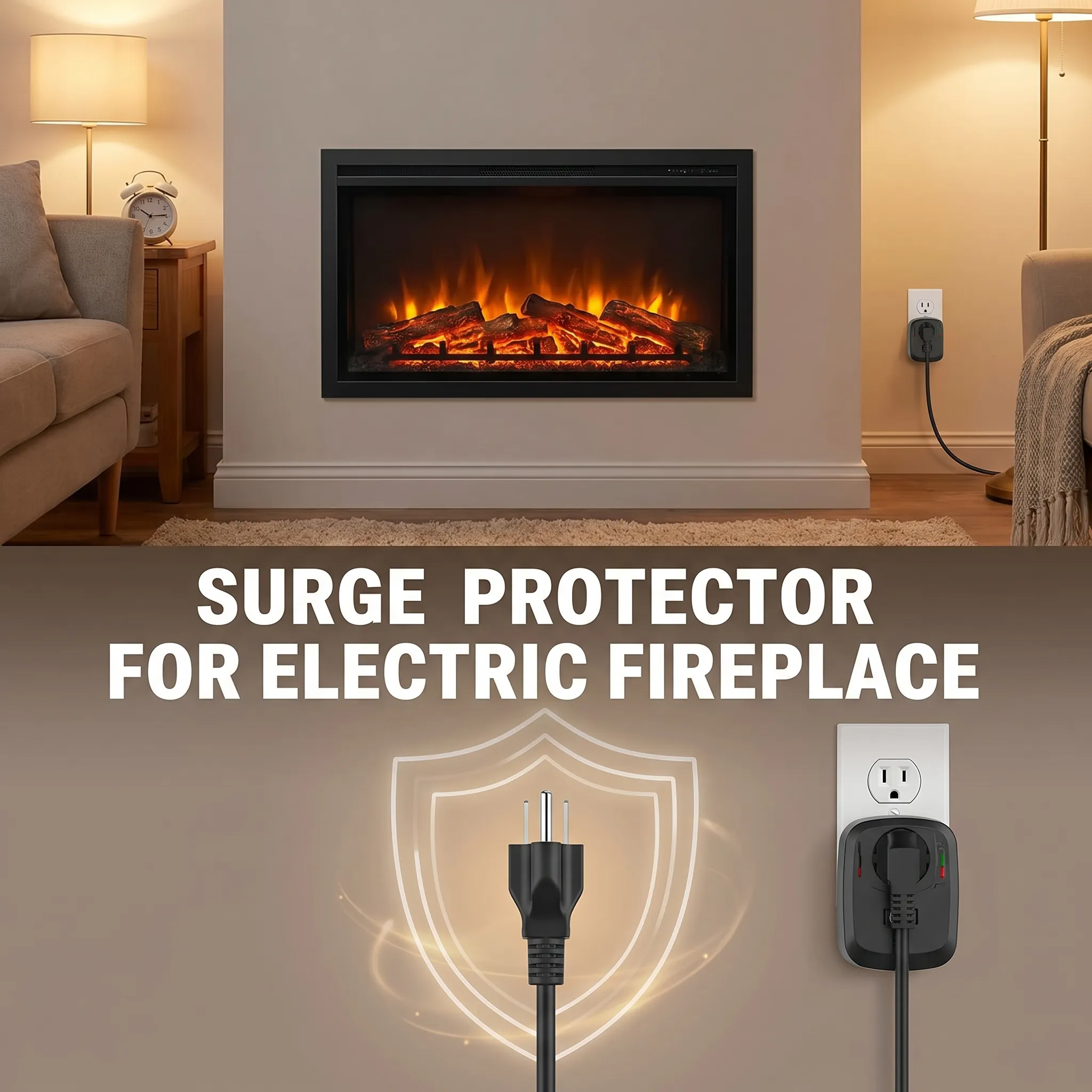
Choose a surge protector for electric fireplace use with proper wattage, UL certification, high joule rating, fast response, and built-in safety features.
Protect your home’s solar panels from lightning strikes with effective solar panel lightning protection methods like grounding, surge devices, and rods.
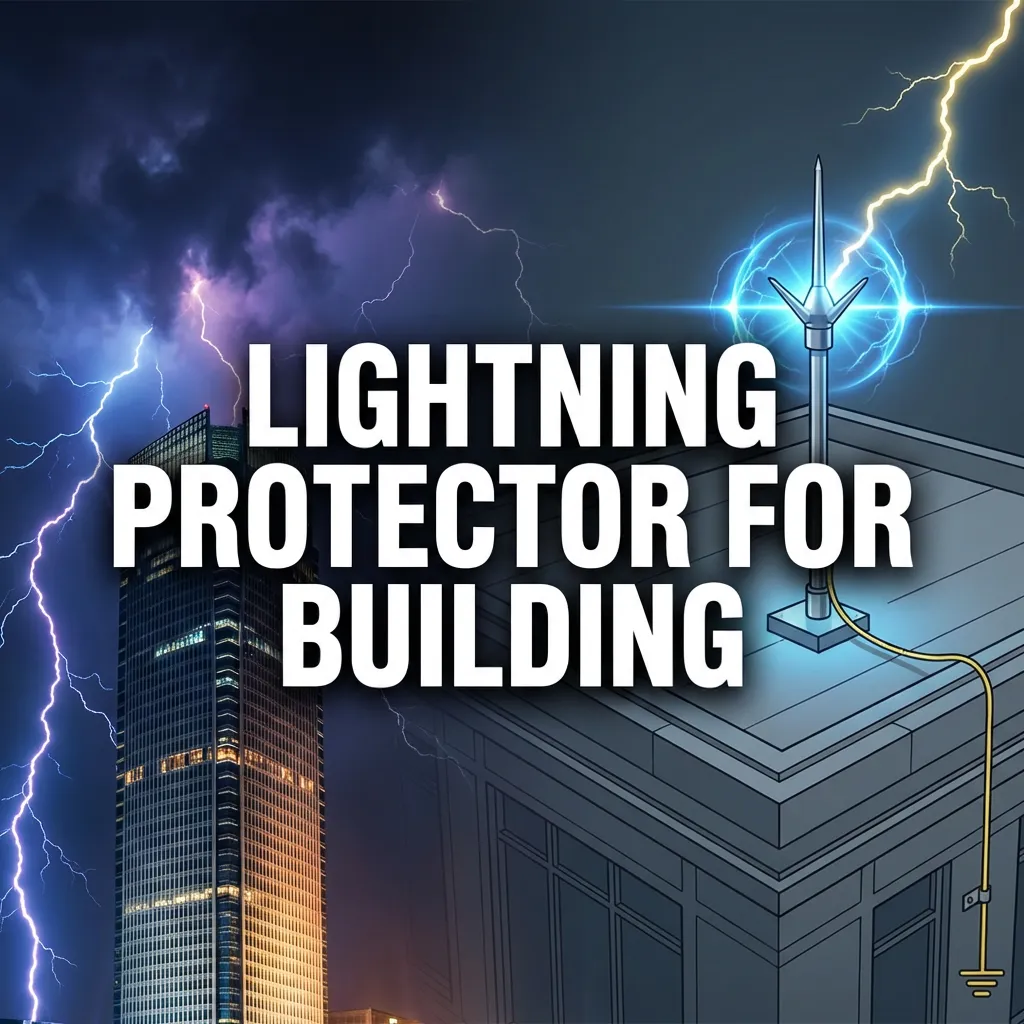
Get clear steps and safety tips for installing a lightning protector for building, including DIY risks, code compliance, and maintenance advice.
Without a surge protector for router, you risk hardware damage, data loss, fire, and network outages from power surges and lightning strikes.
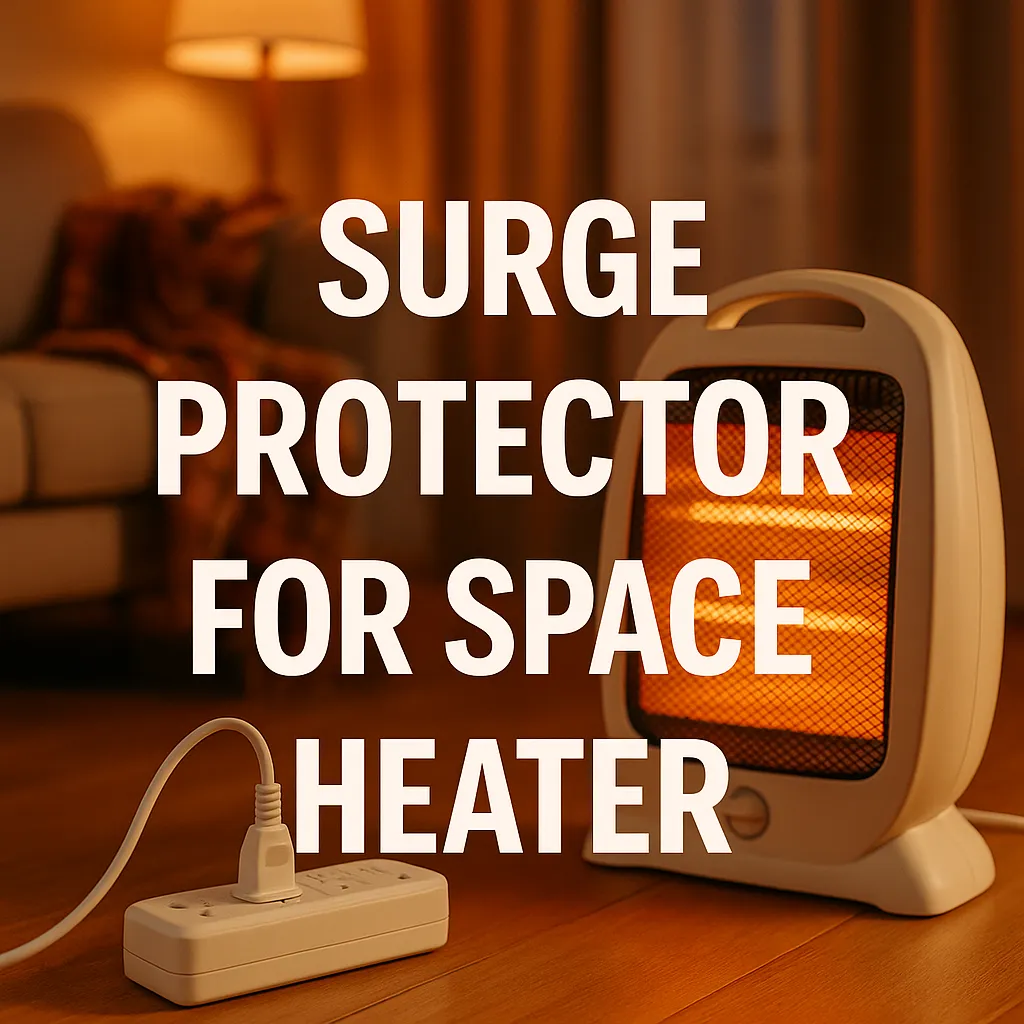
Plugging a space heater into a surge protector can cause overheating and fire. Always use a wall outlet for safe space heater operation at home.