A surge protector can reduce the risk of damage from some brief voltage spikes, but it cannot guarantee that your refrigerator will be safe. Before connecting one, check the refrigerator’s manual: the manufacturer’s instructions take priority over general advice and product packaging.
A surge protector is a layer of defense, not an appliance warranty.
Key Takeaway
A plug-in surge protector may be appropriate if the refrigerator’s manufacturer permits it and the device is suitable for the appliance. It can limit certain brief voltage spikes, but it will not keep the refrigerator running during an outage or fix low voltage, faulty wiring, or every other electrical problem. Whole-home protection may provide another layer, but an electrician can help determine whether it suits your home.
First, identify the problem you want to prevent
A surge is a short-lived increase in voltage. It may come from events such as lightning or changes in the electrical supply. A power outage is a loss of electricity. A voltage sag, sometimes called a brownout, is a drop in voltage. These conditions are not interchangeable, and a surge protector is designed for only part of this list.
A surge protective device, or SPD, is intended to limit transient overvoltage. The Electrical Safety Foundation International and NEMA’s overview of surge protective devices explain the role and limits of these devices. In practice, that means an SPD may reduce exposure to certain spikes. It does not promise to prevent all electrical damage.
Refrigerators can include electronic controls, displays, and other components, but designs differ by model. The electrical requirements and permitted connection methods differ too. Find your refrigerator’s model number and consult the official manual. For example, Whirlpool’s manual library is one place Whirlpool owners can look up model-specific instructions; owners of other brands should use their manufacturer’s official manual source.
When extra surge protection may be worth considering
If the manual allows it, a suitable plug-in SPD may provide protection at the appliance. Check that the product is specifically identified as a surge protective device, and read its instructions and specifications. A basic power strip may simply add outlets. A strip with a surge-protection claim is a different product, but its label alone does not establish that it is right for a refrigerator.
The protector must also be compatible with the appliance’s electrical requirements. Do not assume that a higher advertised joule rating guarantees refrigerator safety, or that every product labeled “surge protector” is suitable. Compare the device documentation with the refrigerator manual, and ask the manufacturer or an electrician if the instructions are unclear. UL Standards & Engagement provides information about safety standards; check the specific product’s certification and documentation rather than relying on a general label or marketing claim.
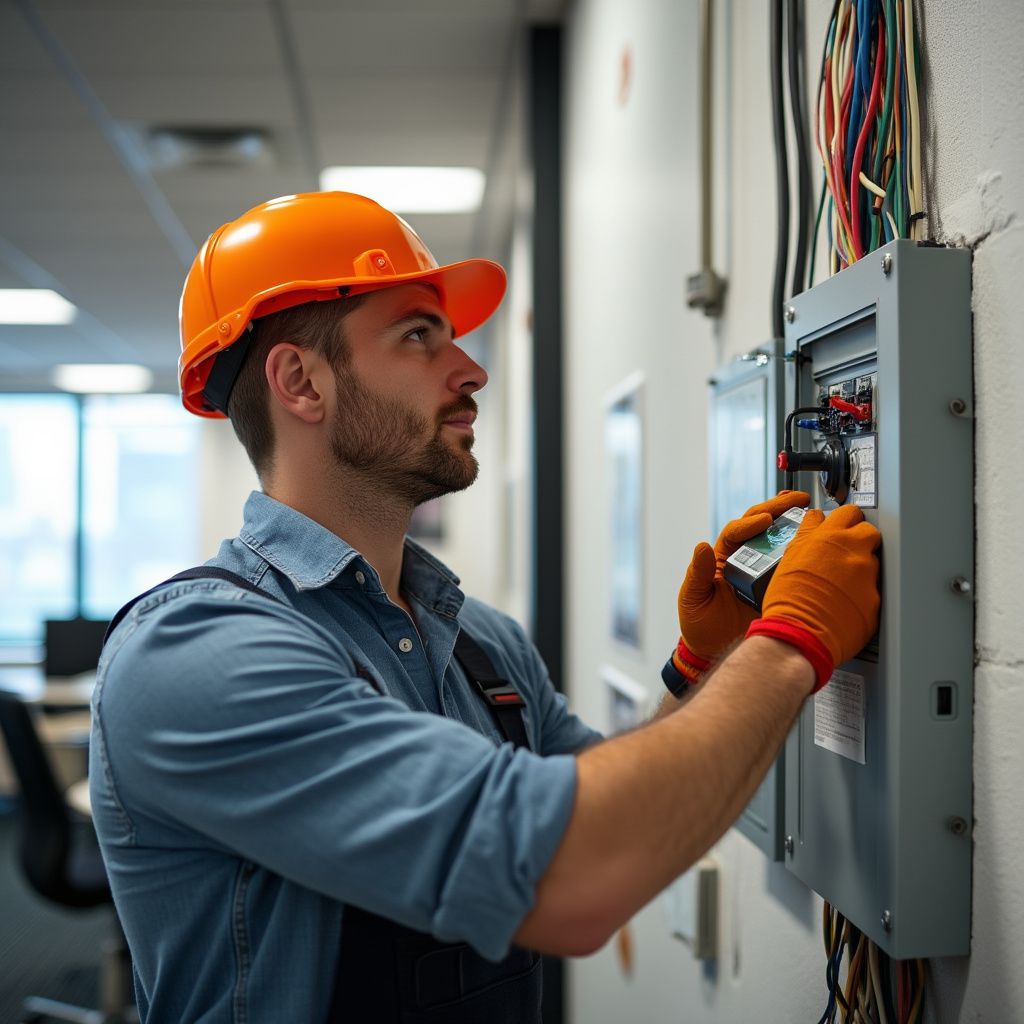
Whole-home surge protection is another option. An SPD installed at the electrical panel can help address certain surges entering through the home’s electrical service. A point-of-use device near an appliance may serve as an additional layer, depending on the equipment and installation. These approaches are not interchangeable in every setup, so ask a qualified electrician whether a panel-mounted device is appropriate and have the electrician handle its installation. NFPA’s electrical safety resources offer general guidance on electrical safety, but they do not replace advice about your particular panel or home.
A power strip with a reassuring label is not automatically an electrical bodyguard. If your manual says not to use a power strip, extension cord, or surge protector, follow that instruction. Do not try to work around it by choosing a more expensive strip.
What a surge protector cannot do
A surge protector does not supply electricity. During an outage, your refrigerator stops running unless a separate, compatible backup power source is providing electricity. For outage planning, Ready.gov’s power outage guidance is a more relevant starting point than a surge-protector package. Any generator or backup setup needs to be used safely and in accordance with its instructions.
A plug-in SPD also cannot guarantee protection against every severe surge, direct lightning strike, wiring fault, or period of abnormal voltage. It does not correct poor grounding or faulty wiring, and it is not a substitute for appliance maintenance or following the refrigerator maker’s requirements.
Some devices have a light or other indicator related to protection status. What that indicator means depends on the product. Follow the manufacturer’s instructions for checking, maintaining, and replacing the device. A lit indicator should not be treated as a universal guarantee that every protection function remains available.
| Question or claim | What the source supports | What the homeowner should verify |
|---|---|---|
| What does a surge protective device do? | ESFI and NEMA describe SPDs as devices intended to limit transient overvoltage. This does not mean they prevent all damage. | Read the specific device’s instructions, ratings, certification information, and replacement guidance. |
| Can a refrigerator use a plug-in protector? | There is no single answer for every model. The appliance maker’s instructions determine what connections are permitted. | Find the official manual for your exact model. Check its electrical and installation instructions, not just general advice or a retailer’s listing. |
| Is a power strip the same as a surge protector? | A strip may provide extra outlets without surge protection. A surge-protective product should be identified and documented as such. | Confirm what the product actually does and whether the refrigerator manual permits that connection. |
| Does a surge protector provide backup power? | No. Surge protection limits certain voltage spikes; it does not supply electricity during an outage. See Ready.gov for outage preparation. | If keeping food cold during an outage is the concern, plan for backup power separately and safely. |
| Who should assess panel protection or wiring concerns? | Whole-home equipment must be suitable for the electrical system and installed correctly. General safety resources such as NFPA’s electrical guidance are not a substitute for an assessment of your home. | Ask a qualified electrician, especially if you have repeated electrical problems, damaged outlets, or questions about grounding. |
Common objections, answered
“Refrigerators are made for ordinary household power, so extra protection is pointless.”
Many households may not need an additional plug-in device, and a refrigerator’s manual may rule one out. But that does not establish that surge risk is zero. The decision depends on the appliance instructions, the home’s electrical conditions, and the kind of protection being considered.
“A plug-in protector will definitely save the refrigerator.”
It cannot promise that. An SPD may reduce exposure to certain transient spikes, but it cannot prevent every kind of electrical damage or solve an outage or wiring problem.
“Whole-home protection makes protection at the refrigerator unnecessary.”
Whole-home and point-of-use devices address protection at different locations. Whether one or both make sense depends on the equipment, installation, and manufacturer instructions. An electrician can assess the panel and explain your options.
“Any power strip will work.”
No. An ordinary power strip may offer no surge protection, and even a surge-protective strip may be unsuitable if the refrigerator manual prohibits that connection. The manual comes first; the number of outlets comes a distant second.
A practical homeowner checklist
- Find the model number. Use it to locate the official owner’s manual and installation instructions.
- Check permitted connections. Look for instructions about surge protectors, power strips, extension cords, and electrical requirements.
- Review the protector’s documentation. If the refrigerator maker permits an SPD, confirm its specifications, certification information, and instructions. Do not choose by advertised rating alone.
- Call an electrician about home electrical concerns. Repeated problems, damaged outlets, or uncertainty about grounding or panel protection are reasons to get qualified help, not to experiment.
- Treat outage planning separately. A surge protector will not keep food cold without power.
Final Thoughts
A surge protector may be a sensible part of an electrical protection plan, but the right choice depends on the refrigerator manual and the home’s electrical setup. Check the manufacturer’s instructions before buying a device, and ask an electrician about panel protection or recurring electrical problems. The goal is informed protection, not panic-buying.
FAQ
Can I plug my refrigerator into a surge protector?
Only if the refrigerator manufacturer permits it and the device is suitable for the appliance. Check the manual for your exact model before connecting anything.
Is a power strip the same as a surge protector?
No. A basic power strip may provide extra outlets without surge protection. Check the product documentation, and follow the refrigerator manual’s connection instructions.
Will a surge protector keep my refrigerator running during an outage?
No. It limits certain voltage spikes but does not provide backup power. Outage protection requires a separate power source and safe, compatible setup.
Is whole-home surge protection enough?
It may be one useful layer, but suitability depends on the electrical installation and equipment. Ask a qualified electrician, and check the refrigerator manual before adding a point-of-use device.
Should I buy the device with the highest advertised rating?
Not on that basis alone. Check the product’s specifications, certification information, instructions, and compatibility with the refrigerator’s requirements. Start with the manual, then choose protection based on your actual setup.