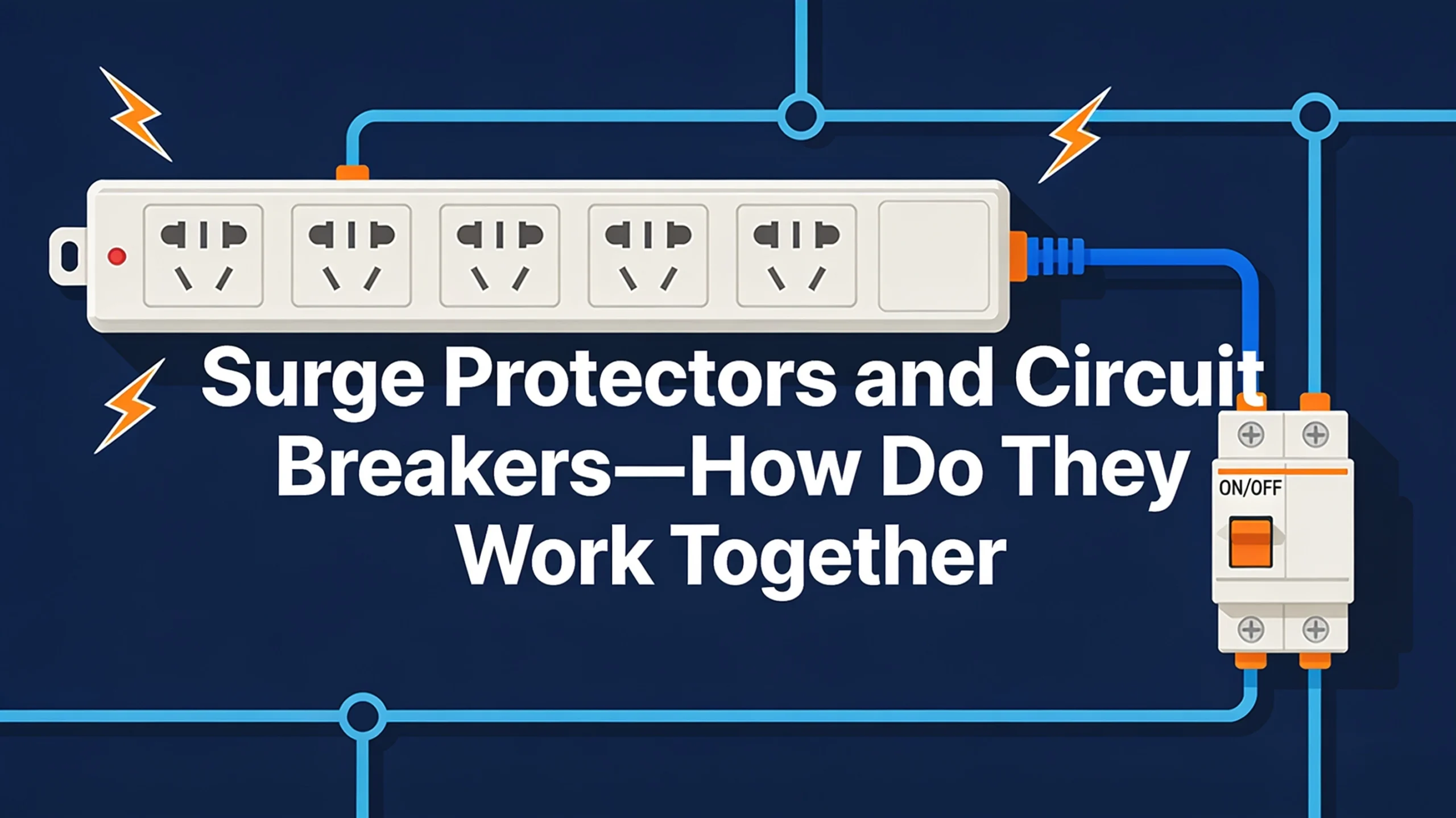
Power strips, surge protectors, and circuit breakers are often talked about as if they do the same job. But they do not. A surge protector helps guard your electronics from sudden voltage spikes, while a circuit breaker protects your home from overloads, short circuits, and wiring faults.
This difference matters. If your breaker keeps tripping, plugging your devices into a surge protector will not fix the problem. It may protect your TV, computer, or appliances from a power surge, but it will not stop an overloaded circuit or unsafe wiring from triggering the breaker.
In this guide, you will learn how surge protectors and circuit breakers work, why they are both important, and when repeated breaker trips mean you should call a licensed electrician. By the end, you will know how these two safety devices support each other and why one cannot replace the other.
Before we look at each device in detail, here are the key points to remember.
Key Takeaways
-
Surge protectors shield your electronics from voltage spikes, while circuit breakers prevent overloads and short circuits. Both are essential for electrical safety.
-
Surge protectors do not stop circuit breakers from tripping. Frequent tripping indicates underlying electrical issues that need professional inspection.
-
Using both surge protectors and circuit breakers together maximizes protection against electrical hazards, ensuring your home and devices remain safe.
Does a Surge Protector Prevent Tripping Circuit Breaker?
You may wonder, does a surge protector prevent tripping circuit breaker? The answer remains clear: a surge protector cannot stop a circuit breaker from tripping. These devices serve different purposes in your electrical system. Understanding their distinct roles helps you make informed decisions about electrical safety and protection.
Surge Protectors—What They Do
Surge protectors play a crucial role in surge protection. You rely on them to shield your electronics from sudden voltage spikes. When a surge occurs, the surge protector activates and diverts excess voltage safely to the ground. This process ensures that only safe voltage levels reach your devices. Surge protectors respond to surges from external sources, such as lightning, and internal sources, like appliances cycling on and off.
-
Surge protectors divert excess voltage safely to ground.
-
They ensure normal voltage continues to flow to your devices.
-
They activate when voltage exceeds safe levels.
-
They protect against both major surges and smaller, repeated spikes.
-
Whole-house surge protectors are installed at the electrical panel and safeguard hardwired appliances and all outlets.
Surge protection does not last forever. Each surge event wears down the internal components, especially the MOVs (Metal Oxide Varistors). Over time, surge protectors lose their ability to absorb excess voltage. You need to replace them regularly to maintain reliable protection against power surges.
Tip: Always check the joule rating and clamping voltage when selecting a surge protector. Not all surge protectors offer the same level of protection.
Circuit Breakers—Why They Trip
Circuit breakers protect your home from electrical hazards. They monitor the flow of electricity and trip when they detect unsafe conditions. You may experience tripping due to several reasons unrelated to surges.
-
Overloaded circuit: Drawing too much electricity from a circuit causes the circuit breaker to trip.
-
Short circuit: When a hot wire contacts a neutral wire, the circuit breaker trips to prevent damage.
-
Ground fault: A hot wire touching a grounded part triggers the circuit breaker.
-
Short circuits in furnace wiring create paths for excessive current, leading to breaker trips.
-
Ground faults result from wiring issues, causing abnormal current paths that trigger breaker trips.
-
Aging electrical components in furnaces can draw excessive amperage, causing overloads that trip breakers.
-
Incorrect installation of circuit breakers can lead to tripped breakers due to oversized or undersized breakers.
-
Dirty air filters restrict airflow, forcing components to work harder and draw more current, leading to overloads.
-
Aging wiring can develop shorts or grounding issues, increasing the likelihood of breaker trips.
Circuit breakers do not respond to voltage spikes. Their job is to interrupt the flow of electricity when the circuit becomes unsafe due to overloads, short circuits, or ground faults. Surge protection and circuit breakers work together, but each addresses different risks.
Note: Many homeowners mistakenly believe that surge protectors can prevent electrical trips. While surge protectors protect against surges, they do not address the causes of tripping.
You should not rely on surge protection to solve circuit breaker issues. If you notice frequent tripping, investigate the underlying electrical problem. Circuit breakers and surge protectors serve complementary roles, but only circuit breakers handle overloads and wiring faults.
Surge Protection and Electrical Safety
How Surge Protectors and Circuit Breakers Work Together
You maximize electrical safety when you use both surge protectors and circuit breakers in your home. Surge protection shields your electronics from voltage spikes, while circuit breakers prevent fires by stopping overloads and short circuits. These devices address different risks, so using them together gives you complete protection.
-
Surge protectors handle voltage spikes that circuit breakers cannot detect.
-
Circuit breakers stop current overloads and wiring faults.
-
Installing surge protectors at the front end of your circuit breaker panel ensures continuous surge protection.
-
Whole-home surge protection covers every circuit and outlet.
When you combine these devices, you protect your home from both power surges and electrical fires. Insurance companies often recommend this approach because it reduces claims for electrical damage and extends the life of your appliances.
Common Misconceptions
Many homeowners ask, does a surge protector prevent tripping circuit breaker? The answer is no. Surge protectors do not stop tripping caused by overloads or wiring faults. Some common mistakes include:
|
Common Mistakes |
Description |
|---|---|
|
Bad grounding |
Improper grounding reduces surge protection. |
|
Miswiring |
Incorrect wiring can cause safety issues. |
|
Size selection |
Wrong size leads to inadequate protection. |
You should also avoid using the wrong breaker size or letting wires become tangled.
When to Seek Professional Electrical Help
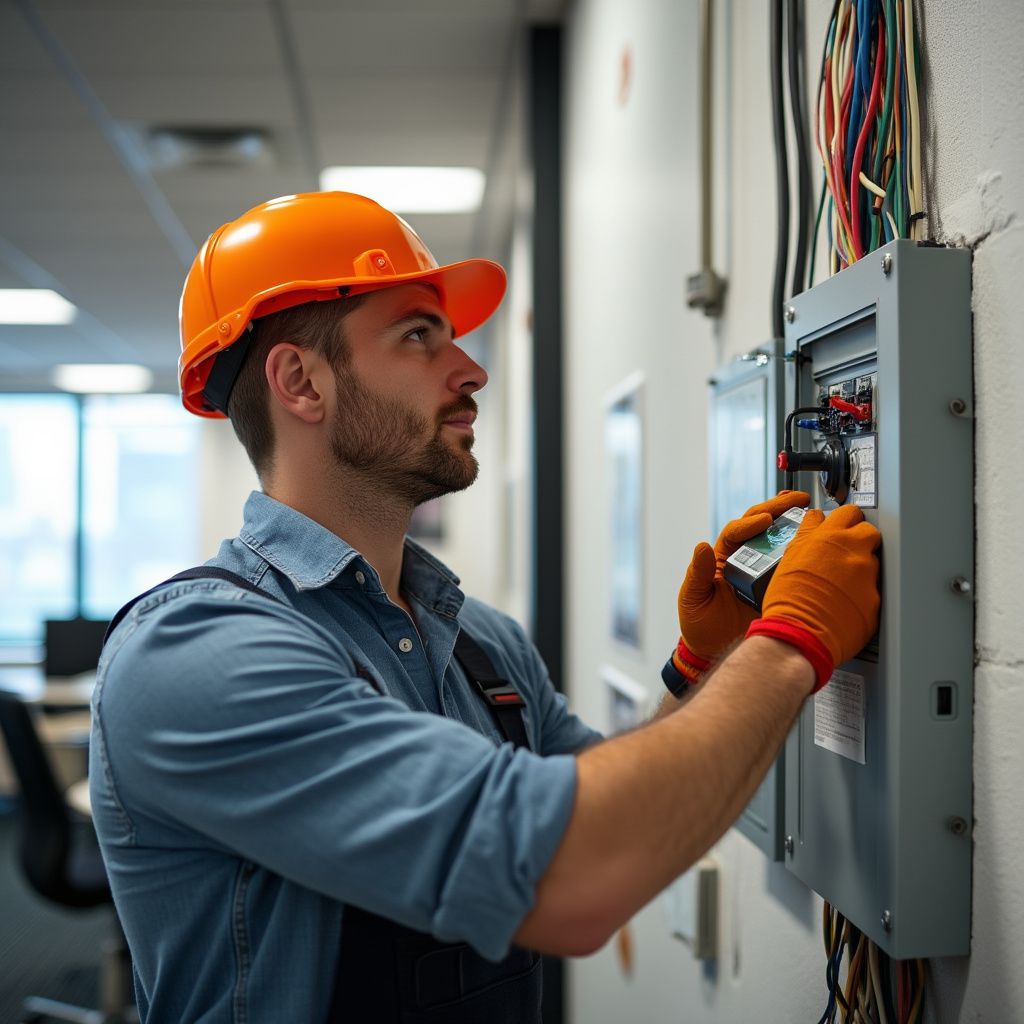
You need a licensed electrician if you notice:
-
The circuit breaker trips repeatedly or feels hot.
-
You hear buzzing from the electrical panel.
-
The breaker will not reset.
-
Lights flicker when the breaker trips.
-
Your surge protector shows burn marks or fails to protect against spikes.
Frequent tripping or device failures signal deeper electrical problems. Do not ignore these warning signs. Professional help ensures your surge protection and circuit breakers work safely together.
You achieve full electrical safety when you use circuit breakers and surge protectors together. Circuit breaker tripping signals issues that surge protection cannot fix. Understanding their roles helps you prevent hazards. If circuit breaker tripping happens often, consult a professional for inspection and repairs.
FAQ
You may still have questions about electrical safety, surge protection, and circuit breaker trip issues. Here are answers to some common concerns:
What causes frequent breaker trips in my home?
You may experience frequent breaker trips due to overloaded circuits, faulty wiring, or aging electrical components. You should contact a licensed electrician for a full inspection.
Can a surge protector stop all electrical spikes?
A surge protector can reduce damage from most spikes, but it cannot handle every electrical surge. You should always combine surge protection with a reliable circuit breaker.
Why does my circuit breaker trip even with surge protection?
Your circuit breaker trips because of overloads or faults, not surges. Surge protection only guards against spikes. You need both for complete electrical safety.