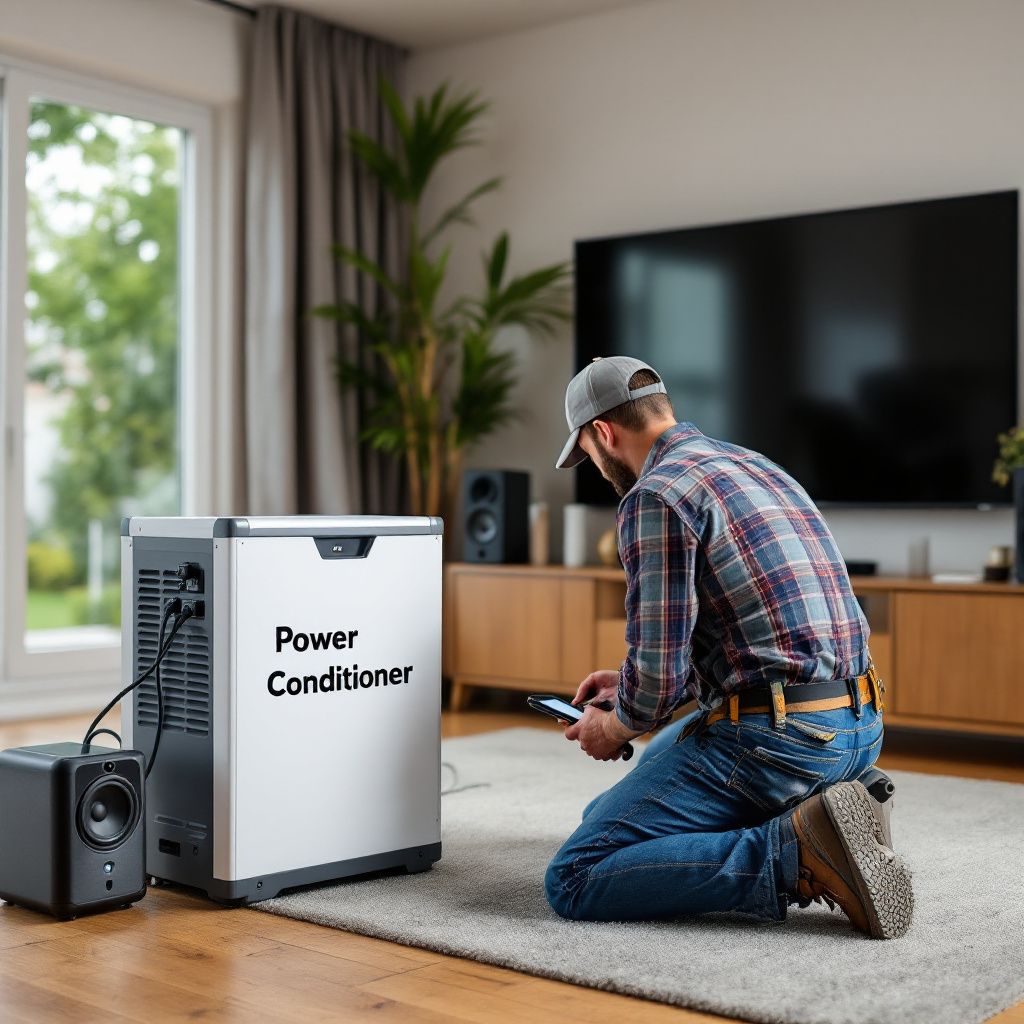
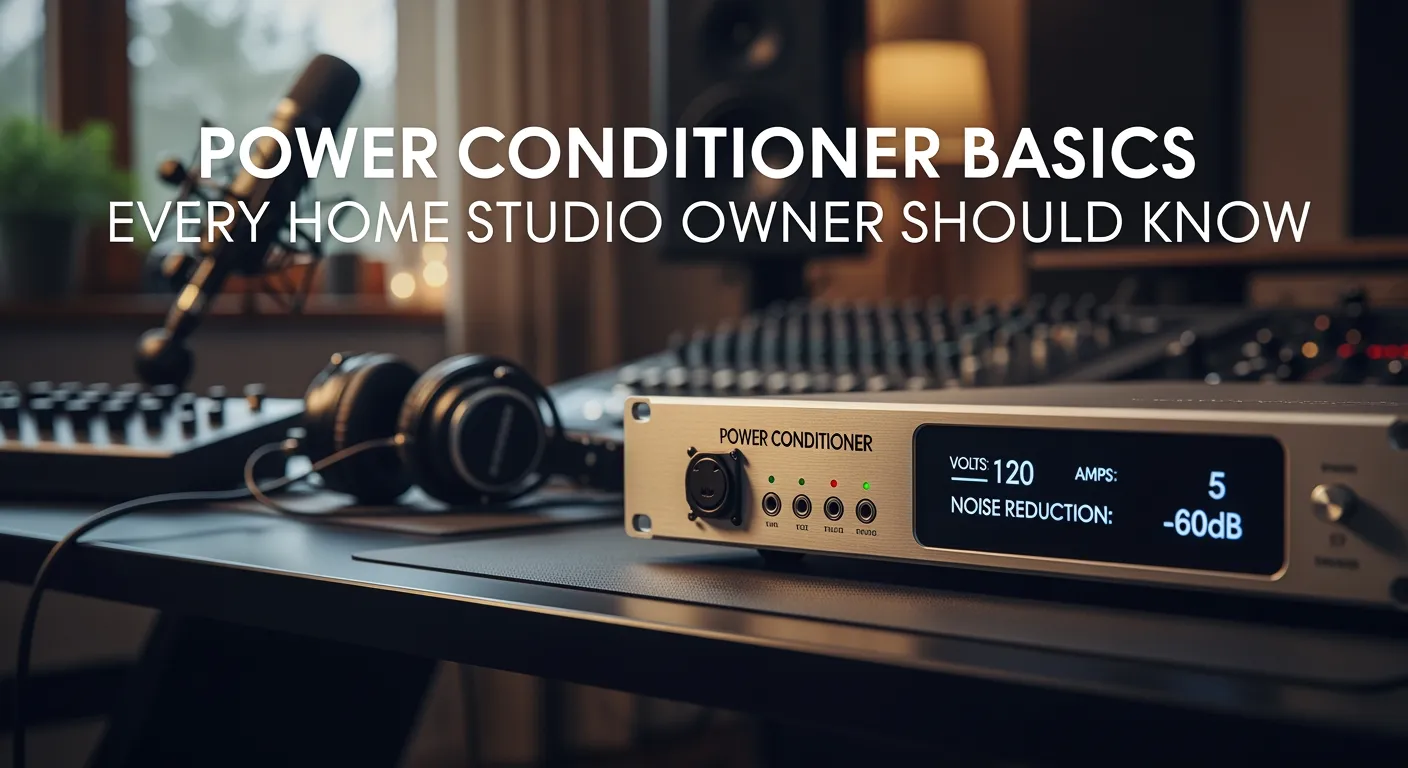
A power conditioner is more than just a piece of equipment; it’s a safeguard for your home recording studio. It regulates the power supply, filters out electrical noise, and protects your gear from damaging surges. Without one, your studio equipment faces risks like voltage fluctuations and interference that can ruin recordings. Investing in a power conditioner for home studio setups ensures your equipment stays reliable and your recordings sound professional.
What Does a Power Conditioner Do?
Regulating Power Supply
A power conditioner ensures your studio equipment receives a steady and reliable power supply. Fluctuations in voltage can harm sensitive audio gear, causing malfunctions or even permanent damage. By regulating the power, a power conditioner keeps your equipment running smoothly and prevents interruptions during recording sessions. Such consistency is especially important for home studios, where power irregularities are more common due to shared circuits or older wiring.
Filtering Electrical Noise
Electrical noise can creep into your recordings, creating hums, buzzes, or static that ruin audio quality. A power conditioner filters out this interference, ensuring clean power reaches your equipment. This process eliminates unwanted sounds caused by electromagnetic interference or other electronics in your home.
For example, devices like refrigerators or air conditioners can introduce noise into your studio’s power supply. With a power conditioner, you can focus on capturing pristine audio without worrying about these disruptions.
Protecting Against Power Surges
Power surges are sudden spikes in voltage that can damage or destroy your studio gear. A power conditioner acts as a shield, absorbing these surges before they reach your equipment. This protection is crucial for expensive and delicate audio devices, such as mixers, monitors, and microphones. By safeguarding your gear, a power conditioner not only prevents costly repairs but also extends the lifespan of your equipment.
Tip: Even a brief power surge can cause irreversible damage to your studio setup. Investing in a power conditioner is a small price to pay for peace of mind.
Monitoring Voltage Levels
Voltage fluctuations can disrupt your home studio’s performance and damage sensitive audio equipment. A power conditioner helps you monitor voltage levels, ensuring your gear receives consistent power. This feature is especially important if you live in an area prone to unstable electricity or frequent power outages. When voltage levels drop too low or spike too high, your equipment may malfunction or produce distorted audio.
A power conditioner detects these irregularities and stabilizes the power supply. This ensures your studio gear operates within safe voltage ranges, protecting it from harm.
Why Voltage Monitoring Matters
Voltage monitoring isn’t just about protecting your equipment. It also ensures your recordings maintain high-quality sound. Inconsistent power can introduce noise or cause your devices to perform unpredictably. With a power conditioner, you eliminate these risks and create a stable environment for your creative work.
Here’s a quick comparison of voltage ranges and their effects on studio equipment:
|
Voltage Range (Volts) |
Effect on Equipment |
Risk Level |
|---|---|---|
|
110-120 |
Optimal performance |
Low |
|
90-109 |
Reduced efficiency, noise |
Moderate |
|
Below 90 |
Equipment failure risk |
High |
|
Above 120 |
Overheating, potential damage |
High |
Monitoring voltage levels ensures your studio operates within the optimal range. This not only protects your investment but also guarantees consistent performance. You can focus on creating music without worrying about power-related issues.
Benefits of a Power Conditioner for Home Studio Owners
Noise Reduction
Eliminating hums and buzzes
Unwanted noise can ruin your recordings. A power conditioner for home studio setups helps by removing noise caused by electrical interference. This interference often comes from other devices in your home, like refrigerators or fluorescent lights. When you use a power conditioner, it filters out these disruptions, ensuring your equipment receives clean power.
This eliminates hums and buzzes that can creep into your audio, allowing you to focus on creating professional-quality recordings.
Ensuring clean audio recordings
Clean audio is essential for any home recording studio. Noise interference can distort your sound, making it harder to achieve the clarity you need. A power conditioner ensures your equipment operates without interruptions from electrical noise. This means your recordings will have a crisp, clear sound, free from static or other unwanted artifacts.
Surge Protection
Preventing equipment damage
Power surges can strike without warning, especially during storms or when the power grid fluctuates. These surges can damage your expensive studio gear, leading to costly repairs or replacements. A power conditioner provides surge protection by absorbing these voltage spikes before they reach your equipment. This keeps your gear safe and operational, even during unexpected power events.
Extending gear lifespan
Your studio equipment is an investment. Frequent exposure to power surges can wear down internal components over time, reducing their lifespan. With a power conditioner, you protect your gear from these risks.
Surge protection ensures your equipment stays in top condition, allowing you to use it for years without worrying about premature failure.
Voltage Monitoring
Maintaining consistent power
Voltage fluctuations can disrupt your studio’s performance. A power conditioner for home studio setups monitors and stabilizes the power supply, ensuring your equipment receives consistent voltage. This prevents issues like sudden shutdowns or distorted audio caused by unstable electricity.
Avoiding voltage fluctuation issues
Voltage fluctuations can harm sensitive audio equipment. Low voltage can cause devices to underperform, while high voltage can lead to overheating or damage. A power conditioner detects these changes and adjusts the power supply to keep your equipment safe.
This ensures your home studio operates smoothly, even in areas with unreliable electricity.
Eliminating Ground Loops
Reducing Audio Interference
Ground loops often cause unwanted hums or buzzes in your audio recordings. These loops occur when multiple devices in your studio connect to different ground points, creating a difference in electrical potential. This difference introduces interference into your audio signal, which can ruin the clarity of your recordings. A power conditioner eliminates ground loops by providing a single, clean grounding point for all your equipment. This ensures that every device in your studio shares the same electrical ground, reducing the risk of interference.
You’ll notice a significant improvement in audio quality, especially when recording or mixing. Here’s a quick comparison of audio quality with and without a power conditioner:
|
Setup Type |
Audio Quality |
Noise Level |
|---|---|---|
|
Without Power Conditioner |
Distorted, unclear |
High |
|
With Power Conditioner |
Clean, professional |
Low |
Enhancing System Stability
Ground loops don’t just affect audio quality. They can also destabilize your entire studio setup. When interference disrupts your equipment, it may cause unexpected malfunctions or performance issues. For example, you might experience random pops in your speakers or inconsistent behavior from your audio interface.
A power conditioner stabilizes your system by eliminating these disruptions. It ensures that all your devices operate on a consistent and interference-free power supply. This stability allows you to focus on your creative work without worrying about technical problems. With a power conditioner, you create a reliable and interference-free environment for your home studio. This investment enhances both the quality of your recordings and the longevity of your gear.
Power Conditioner vs. Other Power Solutions
Power Conditioner vs. Power Strip
Functional differences
A power conditioner and a power strip may look similar, but their functions differ significantly. A power conditioner provides advanced protection for your studio equipment. It combines a surge diverter, isolation transformer, and power line noise filter to eliminate neutral-to-ground noise and reduce power disturbances. In contrast, a power strip only limits surge energy, allowing some to pass through. This leftover energy can degrade your sensitive audio gear over time.
Why power strips are insufficient for studios
Power strips lack the comprehensive protection your studio needs. They are designed for basic electrical devices, not sensitive audio equipment. Without noise filtering or voltage regulation, power strips fail to prevent hums, buzzes, or voltage fluctuations that can disrupt your recordings.
For a professional setup, relying solely on a power strip risks compromising both your equipment and audio quality.
Power Conditioner vs. Surge Protector
Limitations of basic surge protectors
Basic surge protectors are a step up from power strips, but they still fall short for studio use. They have limitations like clamping voltage, response time, and energy handling. Environmental factors can also affect their performance, making them unreliable for consistent protection. Unlike a power conditioner, which stabilizes power and filters noise, a surge protector focuses only on limiting catastrophic electrical impulses. This narrow functionality leaves your equipment vulnerable to other power issues.
Comprehensive protection with power conditioners
A power conditioner offers a broader range of protection. It shields your gear from surges, filters electrical noise, and regulates voltage. This comprehensive approach ensures your studio equipment operates smoothly and remains safe from power-related risks.
With a power conditioner, you gain peace of mind knowing your investment is fully protected.
Auto Voltage Regulation in Power Conditioners
Ensuring consistent performance
Voltage fluctuations can disrupt your studio’s performance. Auto voltage regulation in power conditioners stabilizes the power supply, ensuring your equipment receives consistent voltage. This feature prevents issues like distorted audio or sudden shutdowns, which can derail your creative process.
Importance for sensitive audio equipment
Sensitive audio equipment benefits greatly from auto voltage regulation. It reduces noise, establishes a dedicated ground, and isolates your gear from dirty electrical ground. These features enhance audio quality and protect your devices from under or over-voltage issues. For example, power amplifiers and other unregulated gear are particularly susceptible to voltage fluctuations.
A power conditioner ensures your studio operates within safe voltage ranges, preserving both performance and longevity.
Why a Power Conditioner is Essential for Your Home Studio
Protecting Your Investment
Your home studio equipment is a significant investment, and protecting it should be a top priority. A power conditioner for home studio setups acts as a safeguard against power surges, voltage fluctuations, and electrical noise. These issues can cause irreversible damage to sensitive audio gear, leading to costly repairs or replacements. A power conditioner ensures your equipment operates within safe voltage ranges, preventing sudden power jolts that could harm your gear.
It also provides stronger surge protection compared to basic surge protectors, absorbing spikes in voltage before they reach your devices. This protection extends the lifespan of your equipment, saving you money in the long run.
-
Extend Equipment Lifespan: Prevents wear and tear caused by power irregularities.
-
Stronger Surge Protection: Shields high-value gear from damaging spikes.
-
Peace of Mind: Allows you to focus on your work without worrying about electrical mishaps.
Improving Audio Quality
Clean power is essential for achieving professional-quality recordings. Electrical noise, such as hums and buzzes, can interfere with your audio and compromise the clarity of your work. A power conditioner filters out this noise, ensuring your equipment receives a stable and interference-free power supply. Power conditioners also eliminate ground loop noise, which often causes unwanted hums in studio setups.
Through providing a single grounding point for all your devices, they improve overall sound quality. This means your recordings will have a crisp, clean sound, free from distractions.
-
Noise Reduction: Filters out electrical interference for pristine audio.
-
Ground Loop Elimination: Removes hums caused by grounding issues.
-
Consistent Voltage: Ensures reliable performance during critical sessions.
Ensuring Long-Term Equipment Reliability
Unstable power can shorten the lifespan of your studio gear. Voltage fluctuations and surges increase wear and tear on internal components, leading to premature failure. A power conditioner mitigates these risks by stabilizing the power supply and cleaning incoming signals. This stability ensures your equipment operates predictably, even during power irregularities. It also reduces the risk of malfunctions, allowing you to focus on your creative work without interruptions.
Over time, this reliability translates to fewer repairs and replacements, making a power conditioner an essential tool for any home studio.
With a power conditioner, you create a stable and reliable environment for your studio. This investment protects your equipment, improves audio quality, and ensures long-term reliability, making it a must-have for any serious home studio owner. It offers essential benefits for your home studio. It protects your equipment from power surges, maintains consistent voltage, and filters out electrical noise. These features ensure your gear stays safe and your recordings remain clean and professional.
Without a power conditioner, you risk voltage fluctuations, electromagnetic interference, and noise that can degrade audio quality. Protecting your investment and achieving high-quality sound starts with reliable power.
-
Key Benefits:
-
Stronger surge protection for expensive equipment
-
Noise filtering to eliminate hums and buzzes
-
Voltage monitoring for consistent performance
-
Investing in a power conditioner ensures your studio operates at its best, giving you peace of mind and professional results.
FAQ
What is the difference between a power conditioner and a UPS?
A power conditioner regulates voltage and filters noise, while an uninterruptible power supply (UPS) provides backup power during outages. A UPS often includes basic surge protection, but it lacks the advanced noise filtering and voltage regulation features of a power conditioner.
Can a power conditioner improve audio quality?
Yes, it can. A power conditioner filters out electrical noise and eliminates ground loops. This ensures your audio equipment receives clean power, reducing hums, buzzes, and interference. The result is clearer, professional-quality sound in your recordings.
Do all home studios need a power conditioner?
Yes, especially if you use sensitive audio equipment. Power conditioners protect against voltage fluctuations, surges, and noise. These issues can damage your gear or degrade audio quality. Even in areas with stable electricity, a power conditioner ensures consistent performance.
How do I choose the right power conditioner for my studio?
Consider your studio’s power needs and the number of devices you use. Look for features like surge protection, voltage regulation, and noise filtering. A model with a built-in voltage meter can help you monitor power levels effectively.
Is a power conditioner worth the investment?
Absolutely. A power conditioner protects your expensive equipment, extends its lifespan, and improves audio quality. It prevents costly repairs caused by power surges or fluctuations. For any serious home studio owner, it’s a critical component of a reliable setup.