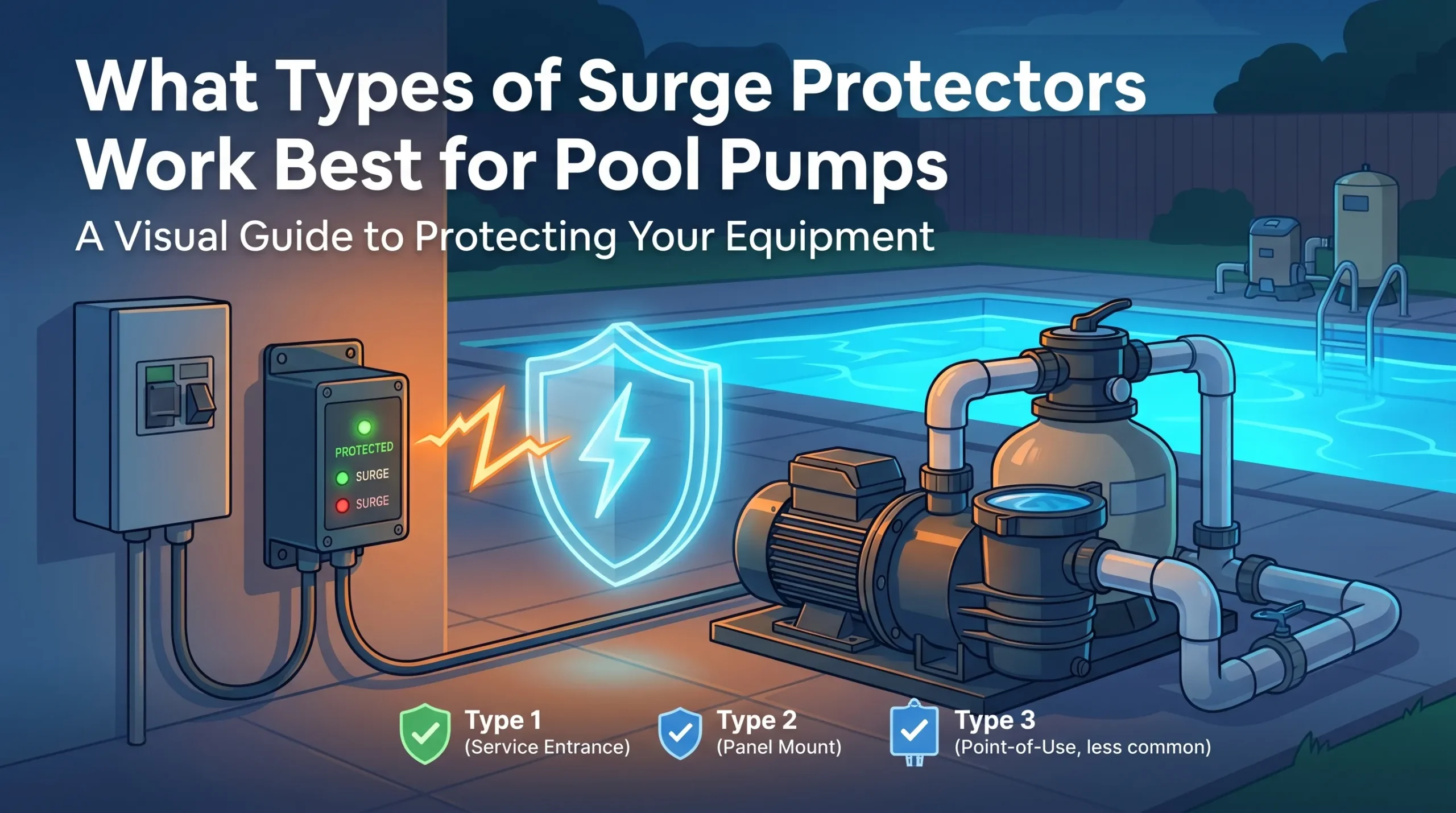
You face real threats like lightning strikes and sudden power surges when running your pool equipment. Choosing the right surge protector for pool pump keeps your system safe from costly damage. Top options include hardwired, plug-in, and whole-house models. Some products, such as the Intermatic PS3000, offer features specifically designed for pool and spa equipment.
Understanding these types helps you make the best choice as you explore which surge protection solutions fit your needs.
Types of Surge Protector for Pool Pump
You have several options when selecting a surge protector for pool pump systems. Each type offers unique benefits and levels of protection. Understanding these differences helps you make an informed decision that matches your pool equipment and installation needs.
Hardwired Surge Protectors
Hardwired surge protectors connect directly to your pool pump’s electrical circuit. These devices provide robust protection for permanently installed equipment. One leading example is the Intermatic PS3000, designed specifically for pool and spa applications. This model stands out for its high surge protection ratings and advanced features.
Tip: The Intermatic PS3000 includes a green LED indicator that shows you when protection is active. This visual cue makes it easy to monitor the status of your surge protector for pool pump.
You also benefit from strong warranty coverage. The PS3000 offers a three-year product warranty and up to $7,500 for connected equipment. This level of assurance gives you peace of mind when safeguarding your pool investment.
|
Warranty Type |
Duration |
Coverage Amount |
|---|---|---|
|
Product Warranty |
3 years |
N/A |
|
Connected Equipment Warranty |
N/A |
$7,500 |
Hardwired models like the PS3000 are ideal for outdoor installations. They withstand harsh weather and provide continuous protection for your pool pump.
Plug-in Surge Protectors
Plug-in surge protectors, often seen as power strips, offer basic protection for devices that plug into standard outlets. These units are easy to install and replace. However, they do not protect hardwired equipment like most pool pumps. If your pool pump connects through a standard plug, you may consider this option.
For most built-in pool pumps, a plug-in surge protector will not provide adequate coverage.
Whole-house Surge Protectors
Whole-house surge protectors install at your main electrical service panel. These devices intercept voltage spikes before they reach your home’s wiring. You gain comprehensive protection for all hardwired equipment, including your pool pump. Whole-house surge protectors excel in regions with frequent lightning. They shield your pool pump and other appliances from large voltage surges. In states like Florida, where lightning strikes are common, these protectors play a critical role. They intercept dangerous spikes at the electrical panel, reducing the risk of damage to your pool pump and other built-in systems.
You should consider installing a whole-house surge protector at the main service entrance. This approach ensures that all pool equipment receives protection from both external and internal power surges.
By comparing these types, you can choose the surge protector for pool pump that best fits your setup and risk level. Hardwired models like the Intermatic PS3000 deliver targeted, high-level protection for pool and spa equipment. Whole-house units provide broad coverage, especially valuable in areas prone to lightning.
Plug-in protectors suit only specific scenarios and do not cover most pool pumps.
Key Features to Consider
When you select a surge protector for pool pump systems, you must evaluate several critical features. These factors ensure your equipment receives the right level of protection and continues to operate reliably in outdoor environments.
Voltage and Amperage Ratings
You need to match the voltage and amperage ratings of your surge protector to your pool pump’s requirements. Using a device with the correct ratings prevents overloads and ensures effective surge absorption. Always check your pool pump’s specifications before making a purchase.
Many surge protectors include visible LED indicators that show you when the unit is active and protecting your equipment. This feature allows you to monitor the status at a glance and respond quickly if protection is lost.
Weatherproof and Outdoor-rated
Outdoor installation exposes surge protectors to moisture, dust, and storms. You should choose a model with a weatherproof rating suitable for your environment. The most common ratings include:
|
Rating |
Description |
|---|---|
|
IP65 |
Suitable for general outdoor use, protects against water jets and dust. |
|
IP67 |
Designed for environments with potential immersion, ideal for pool areas. |
|
NEMA 3R |
Protects against rain and sleet, suitable for outdoor applications. |
|
NEMA 4X |
Offers corrosion resistance, ideal for harsh outdoor conditions. |
A surge protector for pool pump with an IP67 or NEMA 4X rating works best in areas with heavy rain or near water. Regular exposure to outdoor elements can degrade surge protectors over time, especially the metal-oxide varistors (MOVs) inside. You should inspect your device regularly to ensure it remains effective.
UL Certification and Safety
You should only consider surge protectors that carry UL certification. This mark confirms the device meets strict safety standards for electrical equipment. Certified models reduce the risk of fire and electrical hazards. You protect your pool pump and your property by choosing a unit that meets these requirements.
Choosing the Right Surge Protector
Selecting the right surge protector for pool pump equipment requires careful consideration of several factors. You need to match the device to your pump’s specifications, choose an optimal installation location, and evaluate both budget and brand reliability. These steps help you achieve the best protection for your pool system.
Match to Pump Specs
You must check the electrical specifications of your pool pump before purchasing a surge protector. Look at the voltage and amperage ratings to ensure compatibility. A properly sized surge protector prevents equipment damage and maximizes protection. Many models feature LED indicators that allow you to monitor the device’s status. You should select a surge protector for pool pump that meets or exceeds your pump’s requirements.
Installation Location
Where you install your surge protector impacts its effectiveness. Consider these best practices:
-
Place the surge protector as close to the pool pump as possible. Short, straight cable runs minimize resistance and improve performance.
-
Ensure the device is properly grounded. Tight connections and correct wire size help prevent equipment damage.
-
Verify that your grounding system complies with NEC standards.
-
Implement zones of protection to address surges from both internal and external sources.
-
Keep the distance from the main service panel under 20 feet. Longer distances can reduce the surge protector’s ability to shield your equipment due to increased resistance and impedance.
Budget and Brand Reliability
You need to balance cost with quality when choosing a surge protector. Reliable brands often provide better warranties and proven performance. Pool professionals frequently recommend the Intermatic PS3000 for its durability and comprehensive coverage. Investing in a trusted product helps you avoid costly repairs and ensures long-term protection for your pool equipment.
Installation and Maintenance
Proper installation and regular maintenance play a critical role in the effectiveness of any surge protector for your pool pump. You need to know what approach works best for your situation and what steps ensure ongoing protection.
Professional vs. DIY
You can choose between professional installation and a do-it-yourself approach. Each option offers distinct advantages.
-
Professional Installation:
You benefit from expert knowledge when you hire a licensed electrician. Professionals understand local codes and ensure correct wiring and grounding. They also help you select the right surge protector for your pool pump. This option reduces the risk of improper installation, which can void warranties or compromise safety. -
DIY Installation:
You may consider installing a surge protector yourself if you have electrical experience. DIY installation can save money. However, you must follow all manufacturer instructions and local regulations. Incorrect installation can lead to equipment failure or safety hazards.
Inspection and Replacement
You must inspect your surge protector regularly to maintain reliable protection. Outdoor conditions can degrade components over time.
-
What to Inspect:
-
Check LED indicators or status lights.
-
Look for signs of corrosion or water intrusion.
-
Examine wiring connections for tightness and wear.
-
-
When to Replace:
-
Replace the surge protector if the indicator shows loss of protection.
-
Change the unit after a major surge event, such as a lightning strike.
-
Follow the manufacturer’s recommended replacement schedule.
-
|
Inspection Task |
Frequency |
Action Required |
|---|---|---|
|
Visual Inspection |
Every 6 months |
Clean and check status |
|
Test Indicator Light |
Monthly |
Replace if faulty |
|
Full Replacement |
Every 3-5 years |
Install new unit |
Regular inspection and timely replacement ensure your pool pump stays protected year-round.
You have several strong options when choosing a surge protector for your pool pump. Hardwired models and whole-house units offer the most reliable defense, especially when you select weatherproof, UL-certified devices. Trusted products like the Intermatic PS3000 deliver advanced features and robust warranties. Regular inspection and professional installation help maintain long-term performance.
These steps prevent equipment degradation, reduce repair costs, and keep your pool system running efficiently.
FAQ
Before you make your final decision, you may have a few more questions about surge protectors for pool pumps. Here are answers to the most common “what” questions:
What surge protector works best for outdoor pool pumps?
You should choose a hardwired or whole-house surge protector with a weatherproof rating, such as IP67 or NEMA 4X. These models withstand outdoor conditions and provide reliable protection for your pool pump.
What features should I look for in a pool pump surge protector?
Look for UL certification, LED status indicators, and compatibility with your pump’s voltage and amperage. Weatherproof housing and a strong warranty also add value.
What maintenance does a surge protector require?
You need to inspect the device every six months. Check indicator lights, look for corrosion, and replace the unit after major surges or as recommended by the manufacturer.
What happens if I do not use a surge protector for my pool pump?
Without surge protection, your pool pump faces risks from lightning and power surges. This can lead to costly repairs, equipment failure, or even fire hazards.