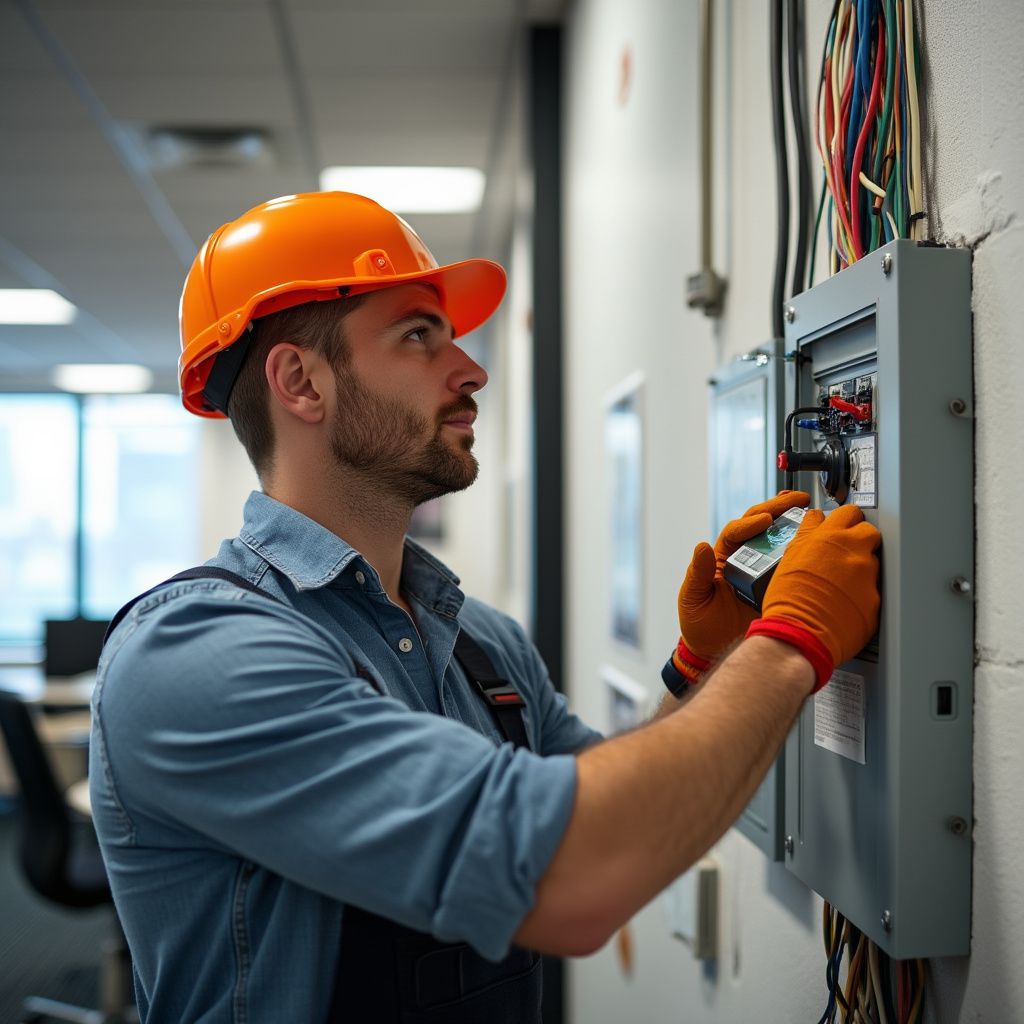
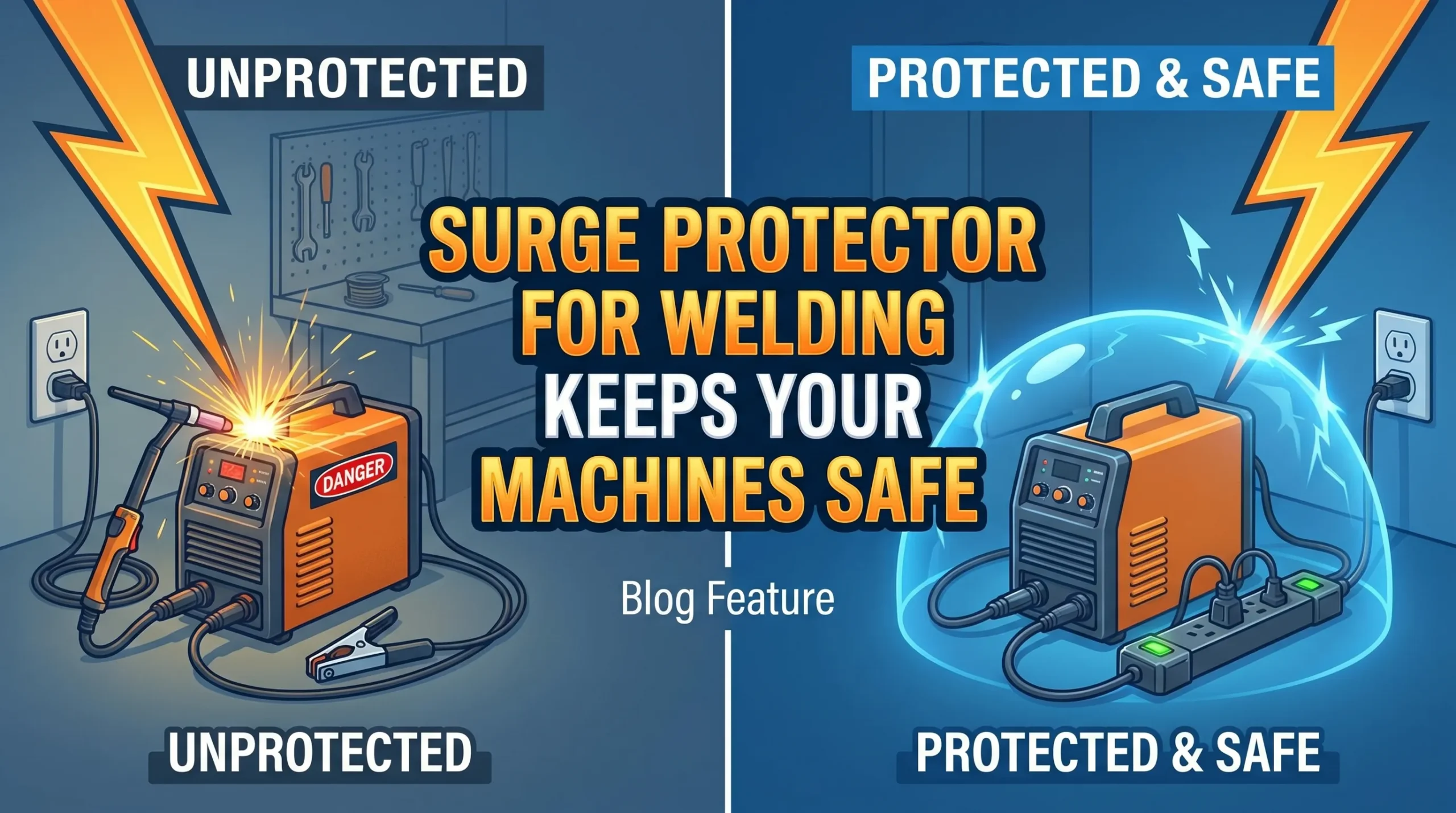
You rely on your welding machines and electronics to deliver precise, reliable performance every day. Voltage surges can strike without warning, often caused by fault clearing events, transformer issues, power factor correction problems, unstable utility supply, or harmonics from heavy equipment. These surges threaten sensitive components and can lead to expensive repairs or lost production time. By using a surge protector for welding, you protect your investment and create a safer work environment. Understanding what a surge protector actually does is the next step in keeping your machines safe.
Key Takeaways
-
Surge protectors shield welding machines from voltage spikes, preventing damage and costly repairs.
-
Power surges can occur unexpectedly, leading to equipment failure and production downtime; surge protection is essential.
-
Choose a surge protector with a high surge current rating and fast response time to ensure effective protection.
-
Regular maintenance and timely replacement of surge protectors help keep your welding machines running smoothly.
-
Installing surge protection at the main service panel offers the best defense against both internal and external surges.
Why Welding Machines Need Surge Protection
You have learned how a surge protector for welding works. Now, you need to understand why this device is so important for your welding machines and your business.
Risks of Power Surges
Power surges can happen at any time. You might see them after a lightning strike, a sudden change in the power grid, or when large machines start or stop. These surges send a burst of high voltage through your electrical system. Your welding machines face a real threat from these events. Sensitive electronics inside the machines can fail instantly or suffer slow damage over time.
If you work in an industrial setting, you know that every minute of downtime costs money. An unstable power supply can lead to frequent production interruptions.
Machines may trip, and processes may need to reset. This inconsistency in output can severely affect industries that operate on tight schedules. You risk financial losses and missed delivery commitments.
Impact on Equipment and Operations
A surge protector for welding does more than just stop sudden failures. It helps your machines last longer and perform better. When you use surge protection, you prevent both immediate and gradual damage to your equipment. This means fewer repairs and less time spent fixing problems.
Here are some ways surge protection extends the life of your welding machines:
-
Surge protection or voltage stabilization is recommended to prevent electrical degradation.
-
You reduce the risk of costly repairs and replacements.
-
Your machines stay reliable, so you can meet deadlines and keep your business running smoothly.
You invest a lot in your welding machines. Protecting them with a surge protector for welding makes sense. You avoid unexpected expenses and keep your operations safe and efficient. When you take steps to guard against power surges, you show that you value both your equipment and your productivity.
How a Surge Protector for Welding Works
You know why surge protection matters. Now, let’s look at how a surge protector for welding actually keeps your machines safe and reliable.
Blocking Voltage Spikes
A surge protector for welding stands as your first line of defense against sudden voltage spikes. These devices use advanced technologies to either absorb or divert excess energy before it reaches your equipment. You often find these protectors installed at the main service panel, which allows them to shield your entire workshop from incoming surges.
Some of the most effective technologies used to block voltage spikes include:
-
Freewheeling diodes, which protect control circuits and output modules from high voltage spikes.
-
Surge arresters, which defend main electrical service entrances and distribution panels from lightning strikes and power surges.
-
Protection for industrial motor control centers, keeping variable frequency drives and control equipment safe.
You can see the results in real-world settings. For example, factories that use surge arresters at their main panels report fewer machine failures after storms. Workshops that add freewheeling diodes to control circuits notice longer equipment life and fewer unexpected shutdowns.
Protecting Sensitive Electronics
Welding machines rely on sensitive electronic components. Even a small surge can cause hidden damage or immediate failure. Surge protectors help you avoid these problems by:
-
Absorbing excess voltage before it can reach your machines.
-
Redirecting dangerous energy away from sensitive electronics.
-
Preventing costly repairs and keeping your welding machines running reliably.
When you use a surge protector for welding, you protect your investment and keep your operations on track. Many businesses have avoided expensive downtime and equipment loss by installing the right surge protection. You gain peace of mind, knowing your machines are guarded against unpredictable power events.
Choosing and Installing Surge Protectors
You want the best protection for your welding machines. Choosing the right surge protector for welding and installing it correctly ensures your equipment stays safe and reliable. Let’s look at what features matter most, how to install your device, and how to keep it working at its best.
Key Features for Welding Machines
When you select a surge protector for welding, focus on features that match your work environment. Look for a high surge current rating. This rating tells you how much energy the device can handle during a spike. Choose a model with a fast response time to protect sensitive electronics. Check for compatibility with your machine’s voltage and phase requirements.
Some models offer indicator lights or alarms to alert you when the device needs replacement.
Installation Tips
Proper installation makes a big difference in how well your surge protector works. Follow these best practices:
-
Ensure the earth connection has minimal resistance and inductance.
-
Use short and straight earth conductors. Avoid sharp bends and loops.
-
Select conductors with enough cross-sectional area to handle surge currents.
-
Connect the SPD’s earth terminal to the main earthing terminal for equipotential bonding.
These steps help your surge protector respond quickly and safely to voltage spikes.
Maintenance and Replacement
Regular checks keep your surge protector for welding effective. Inspect indicator lights or alarms monthly. Replace the device if you see warning signals or after a major surge event. Clean connections and check for corrosion. Review the manufacturer’s recommendations for replacement intervals.
Staying proactive helps you avoid unexpected failures and keeps your machines running smoothly. You see the value in protecting your welding machines and electronics. Take action now to avoid costly downtime and equipment loss. Surges can come from welding operations or natural events. Insurance and compliance depend on proper maintenance. You should evaluate your surge protection by inspecting connections, measuring insulation resistance, and testing circuit protection devices.
FAQ
You may still have questions about surge protectors for welding. Here are answers to common concerns:
Do I need a special surge protector for welding machines?
Yes, you need a surge protector rated for industrial use. Welding machines draw high currents. Choose a device designed for heavy-duty equipment.
How often should I replace my surge protector?
Check your surge protector every year. Replace it after a major surge or if the indicator shows a fault. Regular maintenance keeps your machines safe.
Can a surge protector stop all types of electrical damage?
A surge protector blocks most voltage spikes. It cannot prevent damage from direct lightning strikes or severe wiring faults. Always follow safety guidelines.
Where should I install the surge protector?
Install the surge protector at the main service panel for full coverage. You can also add extra protection near sensitive machines.