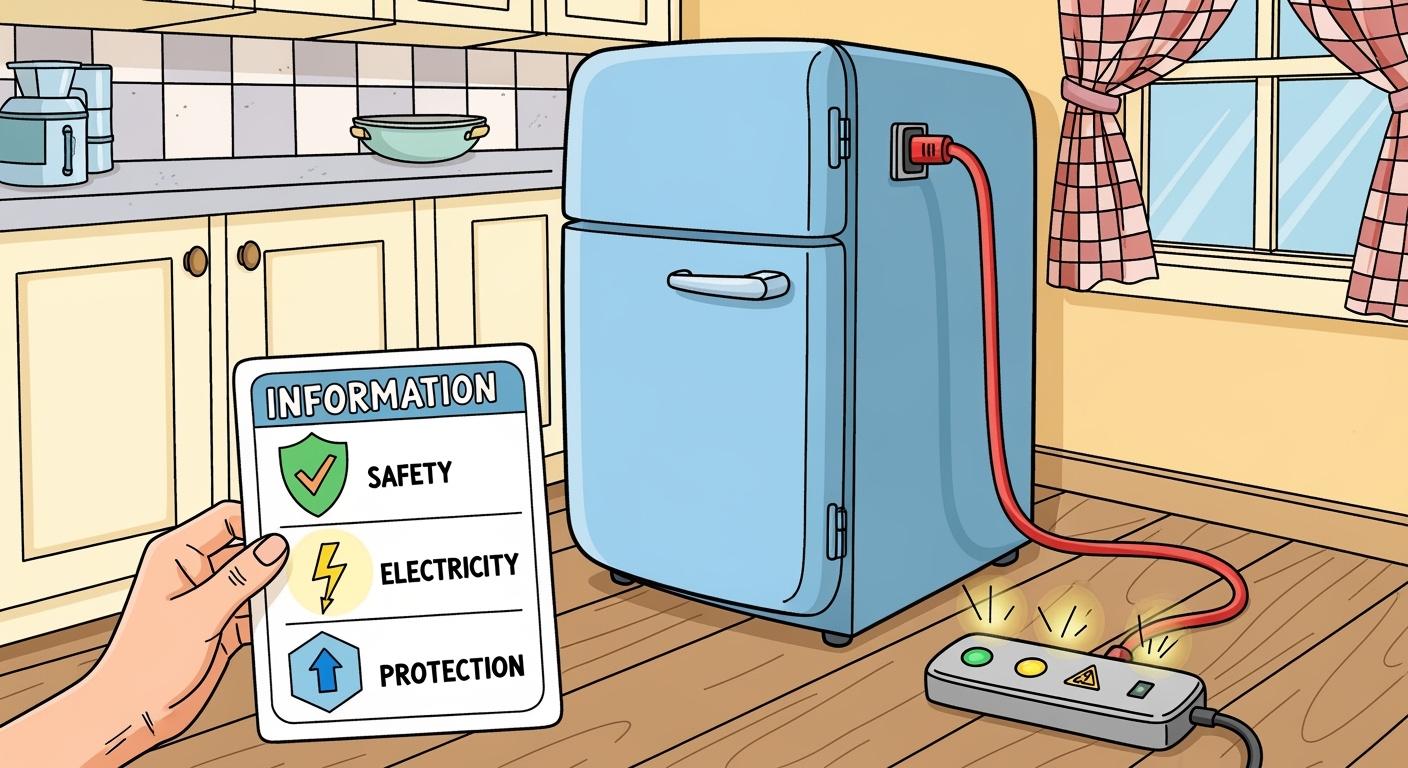
I often get asked if plugging a freezer into a surge protector makes sense. Many homeowners worry about power spikes ruining their appliances or causing safety issues. I get it—nobody wants to risk a freezer full of food. When I first looked into a surge protector for freezer use, I found a lot of mixed advice.
Let’s clear up the confusion and see what makes sense for your home.
Key Takeaways
-
Check your freezer’s manual before using a surge protector to avoid voiding the warranty.
-
Choose a surge protector with the right power rating and features for your freezer to prevent overloads.
-
Consider whole-house surge protection for comprehensive safety against power spikes.
-
Regularly inspect and maintain your surge protector to ensure it functions properly.
-
Avoid using incompatible surge protectors to prevent overheating and potential fire hazards.
Should You Use a Surge Protector for Freezer?
After looking into the basics, I started asking myself if a surge protector for freezer use is really safe or necessary. Many people want to protect their appliances, but not everyone knows the risks or what manufacturers actually recommend.
Let me break down what I found.
Safety and Appliance Risks
When I first thought about plugging my freezer into a surge protector, I wanted to know what could go wrong. I found that freezers draw a lot of power, especially when the compressor kicks on. If the surge protector can’t handle that load, problems can happen.
Here’s a quick look at the main safety risks:
|
Safety Risk |
Explanation |
|---|---|
|
Overloading the Power Cord |
Freezers use a lot of power. If the surge protector can’t handle it, overheating can happen. |
|
Fire Hazard |
Overheated or faulty surge protectors can cause fires. |
|
Reduced Appliance Lifespan |
Power fluctuations from surge protectors can stress the freezer and shorten its life. |
|
Circuit Breaker Tripping |
Too much power can trip the breaker, leaving your freezer without electricity. |
|
Grounding Issues |
Bad grounding can lead to electric shock or even electrocution. |
|
Potential for Damage During Surges |
Not all surge protectors can handle big surges, so your freezer might still get damaged. |
Did you know that not every surge protector for freezer use is built for heavy-duty appliances? Some models work fine for computers or TVs, but freezers need more power. If I use the wrong kind, I might risk overheating or even a fire.
I also found out that some surge protectors can cause the freezer to lose power if the circuit trips. That means spoiled food and wasted money. I realized that a surge protector for freezer use can help during storms or outages. It can block sudden spikes that might fry the compressor.
Not all surge protectors are strong enough for this job.
Manufacturer Guidelines
Ever wonder what freezer makers say about surge protectors? I checked a few manuals and websites. Most manufacturers recommend plugging freezers directly into a wall outlet. They warn that surge protectors or extension cords can cause problems. Some brands even say that using a surge protector for freezer use might void the warranty.
Here’s what I noticed:
-
Many freezer manuals say to avoid surge protectors and extension cords.
-
Some brands allow surge protectors, but only if they meet certain specs.
-
If you use the wrong surge protector, you might lose my warranty protection.
Homeowners insurance sometimes covers food spoilage if a storm or lightning causes a power outage. But if the outage comes from a grid failure or something not covered, you will not get any help. 🫣 Anyway it is possible to add equipment breakdown coverage to your policy which covers appliances damaged by power surges. If you ever need to file a claim, you should keep receipts, take pictures of the damage, and estimate the cost of lost food. You can file a claim by phone or online.
So, what’s the bottom line? You need to check your freezer’s manual before using a surge protector for freezer protection. You should look for surge protectors made for large appliances. If you want extra peace of mind, ask your insurance company about coverage for power surges.
How Surge Protectors Work
After reading those manufacturer warnings, you want to know exactly what a surge protector does for your freezer. If you are going to invest in one, you should understand how it works and what makes it different from the regular power strips you use for your phone charger.
What Surge Protectors Do
A surge protector for freezer use is not just a fancy extension cord. It is a device that keeps your freezer safe from sudden bursts of electricity. Here is how it works:
- A surge protector diverts excess voltage during power spikes, keeping your freezer safe from electrical damage.
- Inside, it uses metal oxide varistors, also called MOVs, to sense extra voltage and send it away through grounding wires.
- This process helps prevent permanent damage to your freezer and can save you from emergency repairs.
Not all surge protectors are created equal. Standard surge protectors work well for small electronics like laptops or lamps. Appliance specific surge protectors are built to handle the heavy power draw of freezers and refrigerators. If you want real protection, look for models rated for large appliances.
Types of Power Surges
You might think all power surges are the same, but there are a few types that can affect your freezer:
-
Lightning strikes can send a huge surge through my home’s wiring.
-
Electrical transformer failures sometimes cause unpredictable spikes.
-
Large appliances, like my fridge or freezer, create smaller surges when they cycle on and off.
-
Small power surges from appliances may not cause immediate damage but can shorten the lifespan of electrical components.
-
Repeated exposure to these surges can gradually damage devices over time.
-
Voltage surges when power comes back after an outage can cause serious damage to sensitive appliances.
Now you know what a surge protector for a freezer does and why it matters. You can feel more confident choosing the right kind for your home.
Key Considerations Before Buying
When you start shopping for a surge protector for freezer use, there is more to it than grabbing any old power strip. You want to pick one that matches your freezer needs and keeps your food safe. Here is what to look for and what risks to avoid.
Power Needs and Compatibility
Matching the surge protector specs to your freezer is crucial. If you choose the wrong one, you could run into problems later. Check these before buying:
-
Power Rating: I always look for a surge protector that matches my freezer’s wattage or volt-amps (VA). This helps prevent overloads.
-
Surge Protection Features: I want protection against sudden voltage spikes, which can damage my freezer’s electronics.
-
Clamping Voltage: I aim for a clamping voltage of 400 volts or less. Lower numbers mean better protection.
-
Joule Rating: For my freezer, I look for a joule rating between 600 and 1200.
-
UL Certification: I check for UL certification to make sure the surge protector meets safety standards.
-
NEMA Rating: If my freezer sits in a garage or basement, I look for NEMA 4 or 4X ratings to handle dust and moisture.
-
Response Time: Fast response time is important for stopping surges quickly.
Risks and Warranty Concerns
Using an incompatible surge protector for freezer use can cause serious issues. Watch out for these:
-
Overloading the surge protector or power cord can lead to overheating and fire hazards.
-
If the surge protector isn’t rated for high power loads, it might overheat and fail.
-
My freezer could get inconsistent power, which shortens its lifespan.
-
Overloading the circuit can trip the breaker, leaving my freezer without power.
-
Improper grounding increases the risk of electric shock.
-
Some surge protectors can’t handle big surges, so my freezer might still get damaged.
One of the biggest risks is plugging too many high wattage devices into one strip. Avoid this by plugging your freezer directly into a wall outlet whenever possible. Also check your freezer manual. Some manufacturers warn that using a surge protector could void the warranty. You do not want to lose coverage if something goes wrong.
Before you buy, double check compatibility and safety features. That way, you keep your freezer running smoothly and avoid costly mistakes.
How to Protect Your Freezer
Now that you know what to look for and what risks to avoid, you want to make sure your freezer stays protected. Here are practical ways to keep your food safe and your appliance running smoothly.
Choosing the Right Surge Protector
When you shop for a surge protector for freezer use, focus on features that matter for heavy duty appliances. Not all surge protectors are the same. Use this checklist to compare options:
|
Feature |
Description |
|---|---|
|
Indicator Lights |
Show that the device is working and not damaged. |
|
Thermal Fusing |
Reduces fire risk if the surge suppressor fails. |
|
Short Circuit Protection |
Protects through fuses or circuit breakers. |
|
Quality Materials |
Ensures durability and reliability. |
|
UL Listing |
Meets safety standards, especially UL 1449 for voltage. |
|
Automatic Cutoff Feature |
Cuts off power when the surge protector can’t provide protection anymore. |
Always check for these features before you buy. Choose a protector that can handle your freezer power needs and keep your home safe.
Whole-House Surge Protection
You may want to protect more than just your freezer. Whole house surge protection covers every device in your home. The average cost for installation ranges from 200 to 700 dollars. It costs more than a single surge protector, but it can save thousands by preventing damage to many appliances.
It is a smart investment if you want peace of mind for all your electronics.
Maintenance Tips
You want your surge protector to work for years. Do the following to keep your freezer protected:
-
I use a surge protector with a high enough joule rating for my freezer.
-
I consider a voltage stabilizer or regulator for extra protection.
-
I check my power outlets to make sure they’re in good condition.
-
I make sure my freezer is properly grounded.
-
I inspect the power cord, plug, and outlet for damage.
-
I unplug my freezer during severe storms.
-
I avoid plugging too many appliances into one outlet.
-
I call a licensed electrician if I notice frequent electrical problems.
Surge protectors do not last forever. Replace yours every few years. Small surges can wear them out without warning. Do not take chances if you want your freezer to stay safe.
What Matters Most
Keep these points in mind:
After digging into surge protectors for freezers, I see a few things matter most. Here’s what I keep in mind:
-
Whole-house surge protection gives my home the best defense against big power spikes.
-
Point-of-use protectors add extra safety for my freezer and other sensitive electronics.
-
Good grounding and regular maintenance keep everything working right.
Always check for UL certification, match the surge protector to your freezer power needs, and follow the manufacturer advice.
Staying safe means balancing protection with smart choices.
FAQ
I get a lot of questions about surge protectors and freezers. Here are some of the most common ones I hear.
What happens if I use the wrong surge protector for my freezer?
If you use the wrong surge protector, your freezer might not get enough power. This can cause it to shut off or even overheat. You could risk spoiled food or damage to the appliance.
What features should I look for in a surge protector for my freezer?
Always check for a high joule rating, UL certification, and indicator lights. Choose a model made for large appliances. These features help keep your freezer safe during power surges.
What is the difference between a surge protector and a power strip?
A power strip only gives you extra outlets. A surge protector guards your freezer against voltage spikes. Do not assume a power strip offers surge protection unless it says so on the label.
What is the best way to protect all my appliances from surges?
Use a whole house surge protector for the best coverage. This device protects every outlet in your home. For extra safety, add point of use surge protectors to your most valuable appliances.