If your dishwasher stops working after a power surge, you need to act fast. First, unplug the appliance and turn off the power to keep yourself safe. Next, take a moment to check the breakers and look for signs of burning smells or visible damage. You might notice these problems after a power outage. If you suspect any damage, call a professional right away. Using a surge protector for dishwasher can help prevent issues caused by sudden power outage.
Protecting your appliance starts with these steps, and you’ll want to know exactly what to do next.
Power Surge: Immediate Steps for Your Dishwasher
You already know that safety comes first when dealing with dishwasher problems after a power surge. Now, let’s walk through a troubleshooting guide that helps you spot issues and decide what to do next. These steps will help you protect your appliance and avoid bigger problems down the road.
Unplug and Turn Off Power
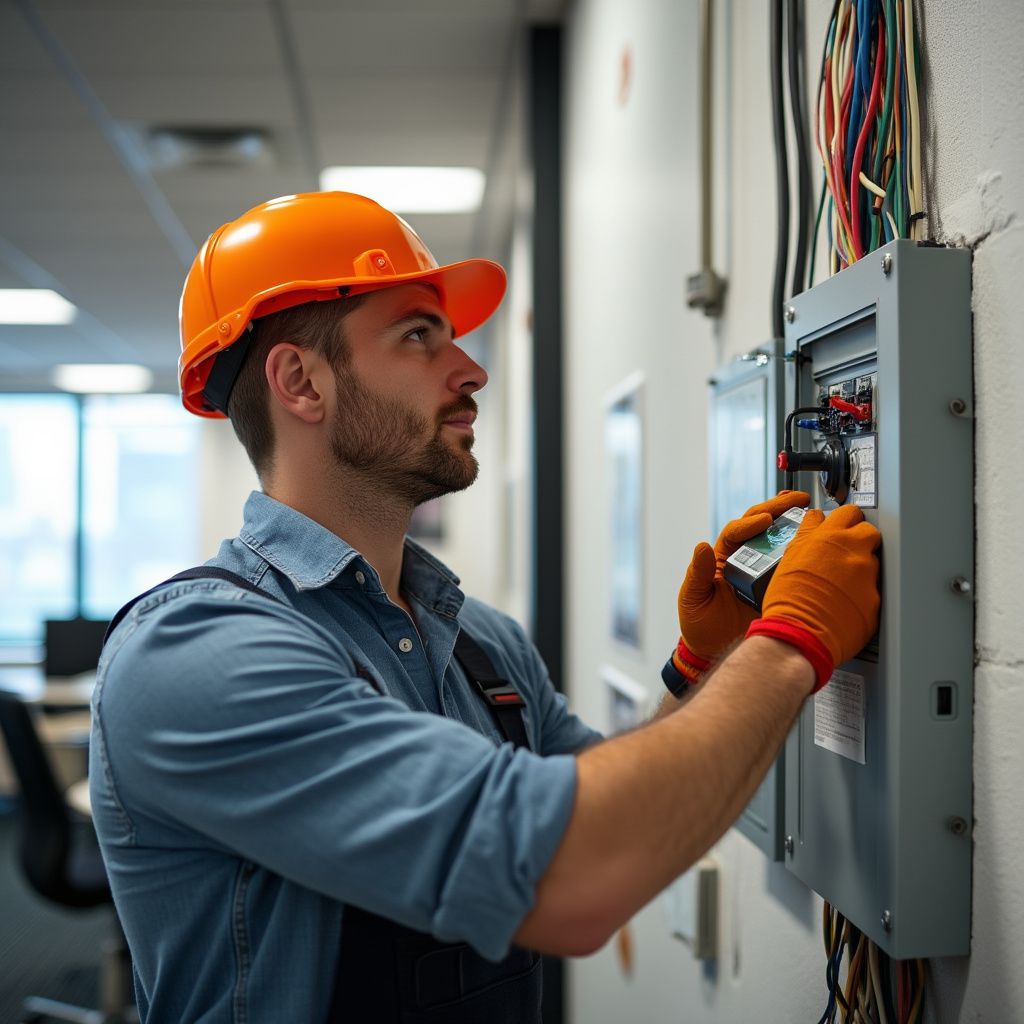
Always start by unplugging your dishwasher. If you can’t reach the plug, turn off the power at the breaker panel. This step keeps you safe from electrical shock and prevents further damage to your dishwasher. Never try to inspect or fix anything while the appliance still has power.
Safety should always be your top priority.
Inspect Breakers and Electrical Panel
Next, check your home’s breakers and electrical panel. Look for any breakers that have tripped. Sometimes, a power surge will cause a breaker to flip, cutting power to your dishwasher. If you see a tripped breaker, reset it and see if power returns. Flickering lights or breakers that trip again right away can signal deeper issues. These signs often point to electrical problems that need attention.
Check Dishwasher for Visible Damage
Now, take a close look at your dishwasher. Use your senses here. Do you notice a burning electrical smell? That’s a strong indicator of damage. Look for burn marks near the outlet or on the appliance itself. These signs mean the power surge may have caused serious issues.
If you spot any of these warning signals, stop using the dishwasher right away.
-
Burning electrical smell
-
Burn marks near outlets or on the dishwasher
-
Flickering lights when the dishwasher tries to run
-
Tripped breakers after you reset them
These clues help you figure out if your dishwasher has suffered electrical damage. If you see or smell anything unusual, you’re likely dealing with more than just minor dishwasher problems.
Examine the Control Board
The control board acts as the brain of your dishwasher. After a power surge, this part can get damaged. Open the access panel if you feel comfortable and look for visible issues like scorch marks or melted components. If you see anything that looks burned or out of place, the control board may need professional repair or replacement. Don’t try to fix these problems yourself unless you have experience with appliance repair.
Call an Electrician or Technician
If you find any signs of damage or if your dishwasher still won’t work after these steps, call a licensed electrician or appliance technician. They have the tools and knowledge to handle electrical issues safely. Sometimes, the problems go deeper than what you can see. A professional can check for hidden damage and make sure your dishwasher is safe to use again. By following this troubleshooting guide, you can spot issues early and avoid bigger problems. Taking these steps helps you protect your dishwasher and keep your kitchen running smoothly.
How Power Surges Affect Dishwashers
You’ve checked your dishwasher after a power surge and followed the safety steps. Now, you might wonder what actually happens inside the appliance when these problems strike. Understanding the effects helps you spot issues early and protect your dishwasher’s functionality.
Common Signs of Damage
A power surge can hit your dishwasher hard. It often targets the internal components that control functionality. The control board acts as the brain of your dishwasher. When a surge happens, this part can suffer damage and cause all sorts of problems.
Here are the most common signs that your dishwasher has been damaged by a power surge:
-
The circuit breaker keeps tripping whenever you try to use the dishwasher.
-
The dishwasher just doesn’t turn on, no matter what you do.
-
The dishwasher shocks you when you touch it.
-
You smell something burning or see smoke coming from the appliance.
-
Buttons on the control panel won’t work, or you see strange error codes.
You might also notice error codes flashing on the display. These codes often signal that the dishwasher’s functionality has been affected. If you see any of these signs, stop using the appliance right away.
Why Surge Protection Matters
Surge protection keeps your dishwasher safe from unexpected electrical spikes. Without it, you risk losing functionality and facing expensive repairs. A surge protector shields the control board and other sensitive parts from damage. You get peace of mind knowing your appliance is protected.
If you want your dishwasher to last, invest in surge protection. It prevents problems before they start and helps you avoid error codes and loss of functionality. You’ll save money and keep your kitchen running smoothly.
Surge Protector for Dishwasher: Choosing the Right One
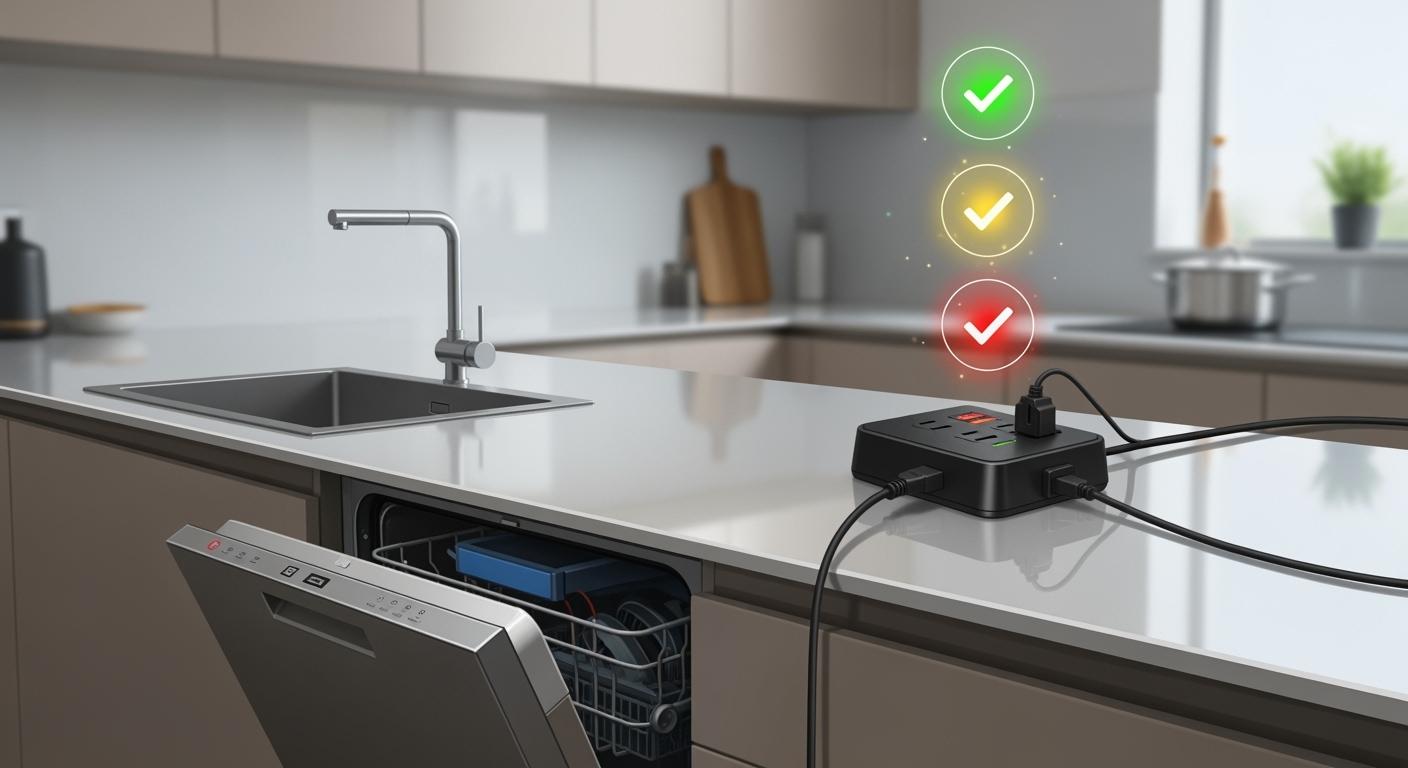
You want your dishwasher to stay safe from electrical spikes. Picking the right surge protector for dishwasher makes all the difference.
Let’s break down the three most important tips so you can make a smart choice.
Check Compatibility and Electrical Rating
Every dishwasher has its own electrical needs. You need a surge protector for dishwasher that matches those requirements. If you choose the wrong one, you risk losing protection and damaging your appliance.
Here’s what you should look for:
-
The surge protector for dishwasher should have a joule rating between 2000 and 4000 J. This range gives you reliable operation and keeps your dishwasher safe.
-
Check the voltage and amperage. Make sure the surge protector for dishwasher fits the specs listed in your dishwasher’s manual.
-
Look for a model designed for kitchen appliances. Some surge protectors work better with dishwashers than others.
Look for Certifications and Safety Features
You want peace of mind when you use your dishwasher. Surge protectors with proper certifications and safety features give you that confidence. These features show that the surge protector for dishwasher meets safety standards and can handle real-world electrical spikes.
Here are some things to check:
-
UL or ETL certification. These marks mean the surge protector for dishwasher passed safety tests.
-
Built-in alarms or indicator lights. These features let you know if the surge protector for dishwasher is working or needs replacement.
-
Warranty coverage. Many surge protectors offer warranties for appliances, including dishwashers. You can see how dishwashers fit into warranty plans in the table below:
|
Appliance Type |
|---|
|
Refrigerator/freezer |
|
Central air conditioning/heating |
|
Range |
|
Dishwasher |
|
Water heater |
|
Pool pump (less than 4 ft. from house) |
|
Washer/dryer |
Note: A good warranty can save you money if your dishwasher gets damaged by a power surge.
Installation Type: Plug-In vs. Hardwired
You have two main options for installing a surge protector for dishwasher. Each type has its own pros and cons. Let’s look at them so you can decide what works best for your kitchen.
-
Plug-in surge protectors are inexpensive and easy to install. You just plug them into an outlet and connect your dishwasher. These surge protectors need regular replacement. They are not suitable for hard-wired appliances like most dishwashers.
-
Whole-home surge protection covers your entire house. It costs more upfront and needs professional installation. You get comprehensive protection for all appliances, including your dishwasher.
-
Some plans offer reimbursement for damaged devices, but they don’t directly compare costs.
Choosing the right surge protector for dishwasher keeps your appliance safe and saves you money in the long run. Match the protector to your dishwasher’s requirements, check for certifications, and pick the installation type that fits your setup. You’ll enjoy reliable protection and peace of mind every time you run your dishwasher.
Installing and Maintaining a Surge Protector for Dishwasher
You’ve picked the right surge protector, but now you need to install and maintain it to keep your dishwasher safe. Let’s walk through the steps so you can feel confident every time you run a cycle.
Step-by-Step Installation Guide
Start by turning off the power to your dishwasher at the breaker panel. Safety comes first. If your dishwasher plugs into an outlet, unplug it before you begin. For hardwired models, you may need a professional to help with installation.
Here’s a simple guide to get you started:
-
Read the instructions that come with your surge protector.
-
Make sure your dishwasher matches the power requirements of the surge protector.
-
If you have a plug-in model, plug the surge protector into the wall, then plug your dishwasher into the surge protector.
-
For hardwired dishwashers, contact a licensed electrician for installation.
Tip: Avoid these common mistakes:
Don’t connect your dishwasher to a surge protector that doesn’t match its power needs.
Always check the neutral connection in your electrical system. A poorly grounded neutral can cause voltage problems.
Regular Maintenance and Checks
You want your dishwasher to last, so check your surge protector every few months. Look for indicator lights or alarms that show it’s working. If you notice any warning signs, such as a tripped breaker or a burning smell, stop using your dishwasher and inspect the surge protector.
-
Wipe dust off the surge protector to prevent overheating.
-
Test the dishwasher after storms or power outages.
-
Keep the area around your dishwasher dry and clean.
When to Replace Your Surge Protector
Surge protectors don’t last forever. Plan for replacement every three to five years, or sooner if you notice any damage. If your dishwasher stops working after a surge, check the surge protector first. A quick replacement can save your appliance from bigger problems.
How to Reset a Dishwasher After a Power Surge
You’ve checked your dishwasher for damage and followed the safety steps. Now, you want to get your appliance running again. Sometimes, a simple reset can bring your dishwasher back to life after a power surge. Let’s walk through the steps so you know exactly what to do.
Basic Reset Steps
Most dishwashers respond well to a standard reset. You don’t need special tools or advanced skills. Just follow these steps:
-
Turn off the dishwasher using the power button or open the door.
-
Unplug the appliance or switch off the circuit breaker. This cuts power and starts the reset process.
-
Wait for 10–15 minutes. This gives the system time to discharge and clear any errors.
-
Plug the dishwasher back in or turn the circuit breaker on.
-
Start a short cycle to check if the reset worked.
Some models need a control panel reset. Press and hold the Start/Reset button for a few seconds. If your dishwasher has a digital display, look for error codes. A successful reset clears these codes and restores normal operation.
When to Seek Professional Help
If your dishwasher won’t reset, you might face deeper issues. Here are some common problems that block a reset:
-
GFCI outlet tripped
-
Door latch or door switch problem
-
Failed user interface or touch panel
-
Main control board issue
-
Loose wiring or damaged harness
-
Power surge-related component damage
You can try to reset a dishwasher more than once, but if it still won’t start, call a technician. Don’t force the appliance to run. A professional can check for hidden damage and fix problems that a reset can’t solve.
Resetting your dishwasher keeps your kitchen running smoothly. If the reset works, you’re good to go. If not, you know when to ask for expert help.
When a power surge hits, you should unplug your dishwasher, check for damage, and call a professional if needed. Surge protectors keep your dishwasher safe from electrical spikes. Remember these three tips: match the surge protector to your dishwasher, look for safety certifications, and choose the right installation type. Regularly check your dishwasher and surge protector for signs of wear. Stay proactive—protect your dishwasher before the next storm.
-
Avoid running your dishwasher during storms.
-
Unplug nonessential appliances when possible.
-
Inspect your dishwasher after any electrical event.
-
Whole-home surge protectors offer extra peace of mind.
FAQ
What does a surge protector do for my dishwasher?
A surge protector shields your dishwasher from sudden voltage spikes. It blocks extra electricity before it can reach the appliance. This helps you avoid costly repairs and keeps your dishwasher running smoothly.
Can I use any surge protector with my dishwasher?
Not every surge protector works for a dishwasher. You need one that matches your dishwasher’s voltage and amperage. Always check your manual or ask a technician before you buy.
How often should I replace my dishwasher’s surge protector?
Most surge protectors last three to five years. If your dishwasher stops working after a power surge, check the surge protector first. Replace it if you see warning lights or signs of damage.
Do I need a professional to install a surge protector for my dishwasher?
If your dishwasher plugs into an outlet, you can install a surge protector yourself. For hardwired dishwashers, call a licensed electrician. This keeps you safe and ensures the job gets done right.
Will a surge protector stop all dishwasher problems?
A surge protector guards against electrical spikes, but it cannot fix every dishwasher issue. You still need to maintain your appliance and check for other problems like leaks or clogs.