Aquariums face daily risks without surge protectors, as electrical hazards can harm both fish and equipment. Power surges can occur unexpectedly, so it’s crucial to protect your investment before a disaster strikes. Ignoring these dangers makes them a reality. Learn about common electrical hazards next.
Aquariums are at risk daily without surge protectors. Electrical hazards can harm fish and equipment. Power surges can happen anytime. Protect your investment now. Act before a disaster strikes. Ignoring these dangers makes them real. Learn about common electrical hazards next.
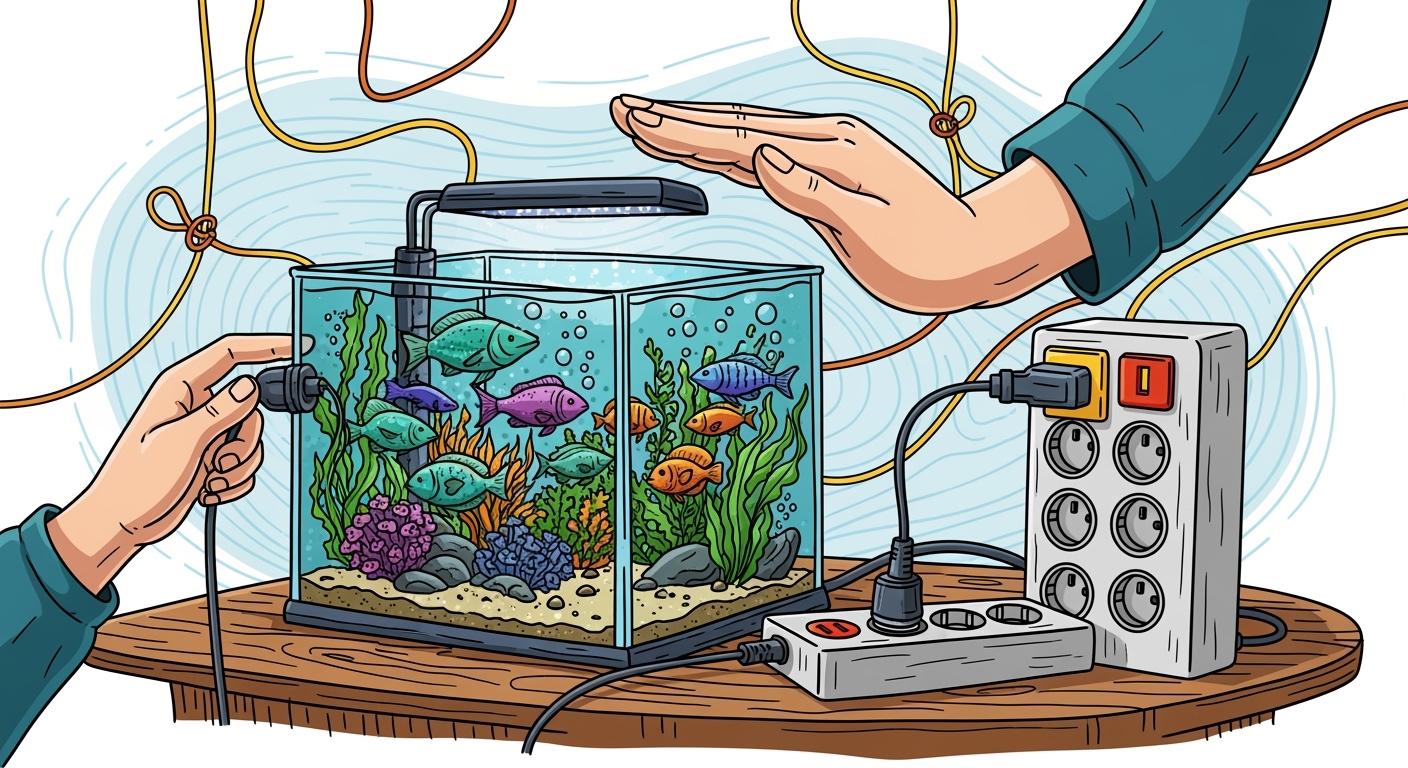
Aquariums face daily risks without surge protectors, as electrical hazards can harm both fish and equipment. Power surges can occur unexpectedly, so it’s crucial to protect your investment before a disaster strikes. Ignoring these dangers makes them a reality.
Learn about common electrical hazards next.
Common Electrical Hazards
You face real threats every day when you run an aquarium without proper electrical protection. Understanding these hazards helps you take action before disaster strikes.
Let’s break down the most common risks you encounter.
Water and Electricity Risks
Water conducts electricity. Even a small leak or splash can turn your aquarium into a dangerous zone. If moisture reaches your electrical equipment, you risk electric shock, fire, or equipment failure. Fish suffer when pumps or heaters stop working suddenly. You must keep all electrical devices dry and secure to protect your aquatic life.
🔖 Tip: Always check for condensation or leaks near your aquarium’s electrical outlets.
Faulty Wiring
Faulty wiring causes many accidents in aquarium setups. You should watch for these typical problems:
-
Faulty aquarium heaters may crack or lose their seals, letting water seep into electrical parts. Saltwater tanks increase this risk.
-
Damaged wiring or old equipment exposes wires, raising the chance of electric shock.
-
No GFCI protection means electricity can leak into the tank, endangering your fish and you.
You need to inspect your equipment regularly and replace anything that looks worn or damaged.
Power Surges
Power surges happen without warning. Lightning, faulty appliances, or sudden changes in the power grid can send a spike of electricity through your aquarium setup. Sensitive devices like filters, lights, and heaters can fail instantly.
Installing a surge protector for aquarium setups shields your equipment and keeps your fish safe.
Surge Protector for Aquarium: Benefits
You’re aware of the risks. Now, you need solutions. An aquarium surge protector offers peace of mind and safeguards your valuable setup from electrical hazards. Let’s find out how these devices function and why they’re indispensable.
How Surge Protectors Work
Surge protectors act as your first line of defense against sudden spikes in electricity. When a surge hits, the device monitors the voltage and reacts instantly. It switches from a high-impedance state to a low-impedance state, sending excess energy safely into the grounding system. This process limits the voltage that reaches your aquarium equipment. You avoid insulation stress, overheating, and premature failure of sensitive electronics.
Note: Surge protectors do not just block surges. They redirect dangerous energy away from your devices, keeping your aquarium running smoothly.
Protection for Fish and Equipment
Your fish depend on stable conditions. A surge protector for aquarium setups keeps heaters, filters, and lights safe from electrical damage. If a surge destroys your heater, your fish can suffer from sudden temperature drops.
If your filter fails, water quality declines fast. You risk losing your entire tank.
Consider these real-life scenarios:
-
Lightning Strike: A storm causes a power surge. Your surge protector absorbs the excess energy. Your aquarium equipment stays safe. Your fish remain unharmed.
-
Faulty Appliance: An old refrigerator in your home triggers a surge. The surge protector for aquarium setups prevents the spike from reaching your tank. You avoid costly repairs and loss of aquatic life.
-
Power Grid Fluctuation: Sudden changes in the power supply threaten your electronics. The surge protector reacts instantly. Your aquarium continues to operate without interruption.
|
Scenario |
Without Surge Protector |
With Surge Protector |
|---|---|---|
|
Lightning Strike |
Equipment failure |
Equipment protected |
|
Faulty Appliance |
Risk of fire/shock |
Safe operation |
|
Power Grid Fluctuation |
Fish stress/death |
Stable environment |
You protect your fish, your equipment, and your wallet. You prevent disaster before it starts. You make your aquarium safer and more reliable.
Choose the Right Surge Protector
You want the best protection for your aquarium. Choosing the right surge protector for aquarium setups makes all the difference. You must look for features that guarantee safety and reliability.
Key Features
You need to check for these essential features before you buy:
-
Certifications like CSA, UL, or CE ensure the surge protector meets strict safety standards.
-
Waterproof and heat-resistant designs protect against moisture and overheating.
-
Connector types for sealed systems help prevent leaks and electrical issues.
🔖 Tip: Always choose a surge protector with clear safety certifications. You reduce the risk of electrical hazards and keep your fish safe.
Water Resistance
Aquarium environments create humidity and splashes. You need a surge protector that resists water. Waterproof models prevent short circuits and keep your equipment running. Look for sealed casings and moisture-proof connectors. You protect your tank from unexpected leaks.
Capacity and Outlets
You must match the surge protector’s capacity and outlets to your aquarium size. Larger tanks need more power and outlets. Review this table to find the right fit:
|
Setup Type |
Capacity (gallons) |
Dimensions (inches) |
Fish Load (approx.) |
Weight (lbs) |
|---|---|---|---|---|
|
Hotel Lobbies or Large Waiting Areas |
150–200 |
72″ × 24″ × 24″ |
60–80 medium to large fish |
1500–1800 |
|
Corporate Offices or Conference Areas |
250–300 |
84″ × 30″ × 30″ |
100+ fish or mixed species |
2500–2800 |
|
Restaurants with Themed Décor |
400–500+ (custom) |
Custom-built |
150+ mixed fish |
4000–5000+ |
You avoid overloading your surge protector and keep every device powered.
Certifications
Certifications matter. You must check for CSA, UL, or CE marks. These show the surge protector passed safety tests. You gain peace of mind knowing your aquarium is protected by trusted standards.
Electrical Safety Tips
You want your aquarium to run safely every day. Surge protectors help, but you must follow smart electrical safety practices to protect your fish and your home. Take these steps to reduce risk and keep your setup secure.
Equipment Placement
Proper placement of your equipment prevents accidents. You should manage cords to avoid tangling and clutter. Use EcoTech power supply brackets to keep power supplies off the cabinet floor. Attach brackets with Velcro and secure the power supply. Wrap excess cords and use Velcro straps for neat organization. This keeps water away from electrical parts and lowers the risk of fire.
Drip Loops
A drip loop protects your aquarium from water damage. Create a loop in each cord so it hangs below the outlet. Water drips off the cord before reaching the outlet, stopping electrical hazards. Use zip ties or cord organizers to keep the loop shape.
Mount outlets higher than cords to avoid tripping.
Regular Checks
You must inspect your setup often. Look for worn cords, damaged plugs, or signs of moisture. Replace anything that looks unsafe. Keep your power supplies dry and organized. Regular checks prevent small issues from becoming disasters.
GFCI Outlets
GFCI outlets act as a safety net. They cut off power if an electrical fault occurs. Saltwater tanks need GFCI protection because saltwater conducts electricity well. GFCI outlets protect your equipment, your family, and your home. Make sure you connect the LINE terminal to the power source and the LOAD terminal to protected outlets.
Avoid placing GFCI outlets on circuits that already have GFCI protection to prevent nuisance tripping.
Note: GFCI outlets are essential for every aquarium setup.
Install a Surge Protector
You have learned why surge protectors matter and how to choose the right one. Now, you need to install your surge protector for aquarium safety. Take these steps to secure your tank and protect your aquatic life.
Tools Needed
You do not need many tools. Gather these items before you start:
-
Surge protector (water-resistant, certified)
-
Screwdriver
-
Velcro straps or cable ties
-
GFCI outlet (if not already installed)
-
Flashlight (for low-light areas)
Tip: Keep your workspace dry and clear. Water and electricity do not mix.
Installation Steps
Follow these steps to install your surge protector:
-
Unplug all aquarium equipment.
-
Mount the surge protector above the floor, away from water sources.
-
Use Velcro straps or cable ties to secure cords and prevent tangling.
-
Plug each device into the surge protector. Create drip loops for every cord.
-
If you use a GFCI outlet, connect the surge protector to it for extra safety.
You protect your fish and equipment when you install the surge protector correctly.
Testing
Test your setup to ensure everything works:
-
Plug in each device one at a time.
-
Turn on the surge protector and check for power.
-
Press the surge protector’s test button. Confirm that it shuts off and resets properly.
-
Inspect for moisture or loose connections.
|
Step |
What to Check |
Result |
|---|---|---|
|
Power On |
Devices light up |
Safe operation |
|
Test Button |
Surge protector resets |
Protection confirmed |
|
Inspection |
No moisture or damage |
Secure setup |
Note: Test your surge protector monthly. You keep your aquarium safe and prevent surprises.
-
You face real risks every day.
-
You protect your fish and equipment when you install a surge protector for aquarium.
-
Take action now.
-
Review your setup and upgrade your electrical safety.
-
Your aquarium deserves reliable protection.
FAQ
You may still have questions about surge protectors for aquariums. Here are answers to the most common concerns.
How often should you replace your surge protector?
Replace your surge protector every three to five years. If you notice damage or frequent power issues, swap it out sooner.
Can you use any surge protector for your aquarium?
-
Choose a surge protector with water resistance and safety certifications.
-
Avoid basic models that lack protection against moisture or electrical surges.