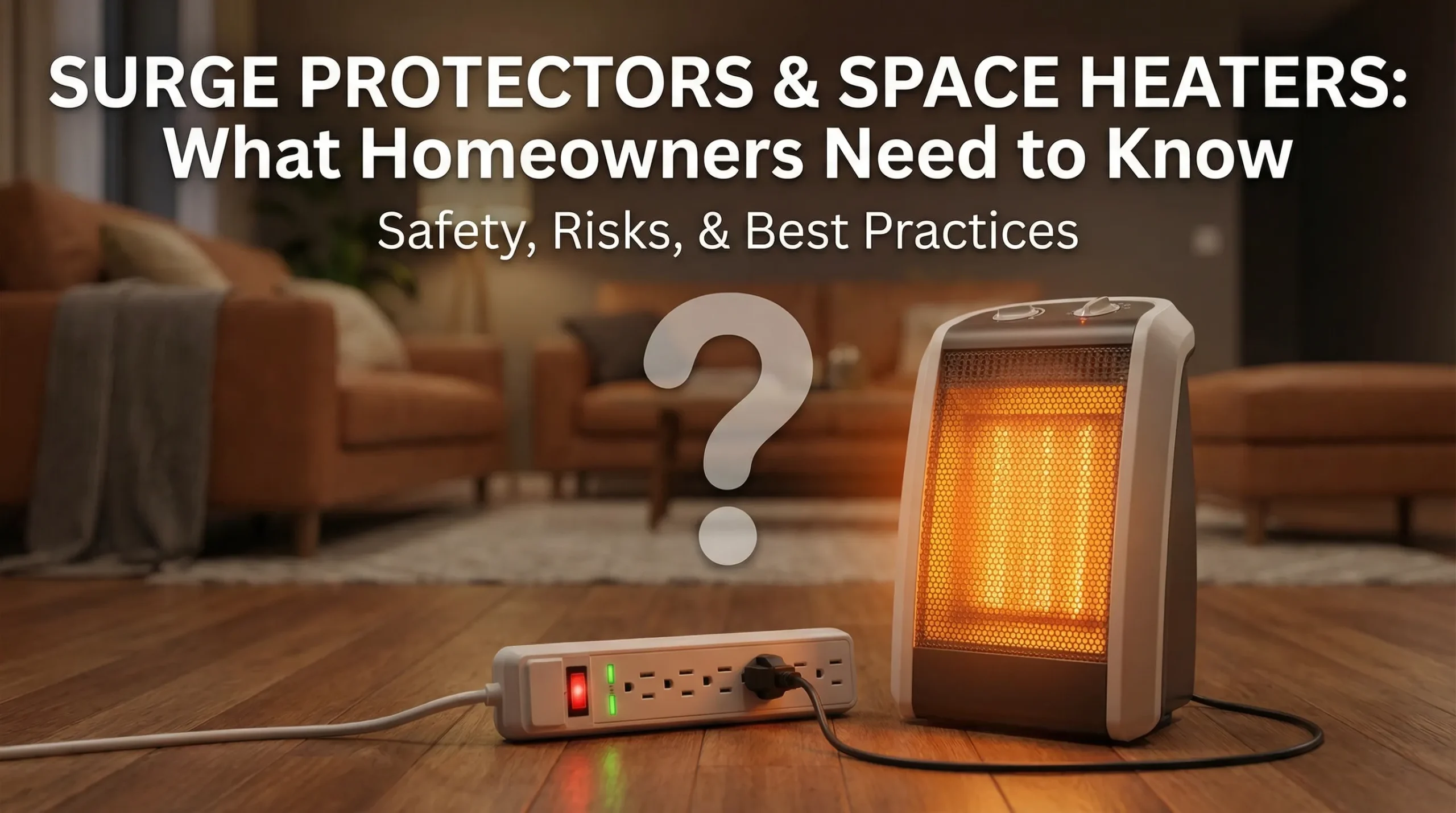
You might wonder if plugging your space heater into a surge protector for space heater use is a safe move. You’re not alone—many homeowners worry about safety, especially when it comes to heating devices. The numbers show why: space heaters cause about 1,600 fires and $51 million in property damage each year. With the risks so high, you want to make the best choices for your home.
Let’s look closer at how to keep your space heater safe—starting with surge protectors.
Surge Protector for Space Heater: Is It Safe?
You want to keep your home safe and warm, so you might wonder if using a surge protector for space heater use is a good idea. Let’s break down what you need to know before you plug in your heater.
Why Surge Protectors Aren’t Recommended
Most surge protectors and power strips are not built for high-wattage appliances. A typical surge protector for space heater use can only handle about 1440 to 1800 watts. Many space heaters draw between 1500 and 2500 watts. This means your space heater can easily overload a surge protector, even if it seems to work at first.
Note: Overloading a surge protector can cause it to overheat, melt, or even start a fire. The risk goes up if you use an older space heater or plug in other devices at the same time.
Here’s why experts say you should avoid plugging a space heater into a surge protector:
-
Space heaters have a high power draw that can overload circuits.
-
Overloading can lead to overheating and fire hazards.
-
Many older space heater models lack essential safety features, which increases the danger.
-
Surge protectors are designed for electronics, not for appliances with heating elements or motors.
You might think a surge protector for space heater use will protect you from power surges, but it’s not designed for that kind of load. Instead, you could trip your home’s circuit breaker or damage the surge protector.
What Safety Experts Advise
Safety organizations and manufacturers agree on the best way to use your space heater. They recommend plugging your space heater directly into a wall outlet. This keeps the electrical load safe and reduces the risk of overheating.
Here’s what the National Fire Protection Association (NFPA) and manufacturers suggest:
-
Plug your space heater directly into a wall outlet.
-
Do not use surge protectors, power strips, or extension cords.
-
Make sure there’s at least three feet of space around the heater for air circulation.
-
Place your heater on a flat, stable surface.
-
Use built-in safety features like tip-over protection and automatic shut-off.
If you ignore these warnings and use a surge protector for space heater operation, you increase the risk of overheating and fire. It’s also important not to daisy-chain power strips or overload your outlets.
Let’s compare different types of surge protectors and their ability to handle high-wattage appliances:
|
Aspect |
Details |
|---|---|
|
Joule Rating |
Higher joule ratings help with power surges, but not with high-wattage appliances like space heaters. |
|
Overloading Risks |
High-wattage appliances should always go directly into wall outlets to prevent overloading. |
|
Safe Usage |
Appliances with open heating elements or motors, like space heaters, should not use surge protectors. |
By understanding what makes a surge protector for space heater use unsafe, you can make better choices for your family’s safety.
Fire and Overheating Risks
When you think about plugging your space heater into a surge protector, you might not realize the real dangers hiding behind that choice. Let’s look at what can actually happen and why safety experts warn against it.
Overload and Fire Hazards
Space heaters use a lot of power. Most models draw between 1500 and 2500 watts. Surge protectors, on the other hand, are usually built for much smaller loads. When you plug a space heater into one, you risk overloading the circuit. This can lead to overheating, melting, and even a fire.
Here’s what you need to know about fire hazards with space heaters:
-
Space heaters cause about 37,000 house fires every year.
-
They account for 80% of heating-related fire deaths.
-
Appliances with open heating elements, like space heaters, should never go into power strips.
-
Power strips add resistance, which leads to heat buildup and possible fires.
If you notice the outlet or plug feels warm, lights flicker, or you smell burning plastic, these are signs of overheating. Unplug your space heater right away if you see any of these warning signs.
How Surge Protectors Can Fail
Surge protectors are not made for high-wattage appliances like space heaters. They can overheat because of the continuous high electrical load. If you add more devices, you increase the hazard. Often, surge protectors sit in places where heat can build up, making fire hazards even worse.
Common signs of electrical fire risk include:
-
The outlet or plug feels hot.
-
The breaker trips when the heater runs.
-
There’s a burning smell near the outlet or wall.
Overheating the surge protector, overloading the circuit, and resistance heating all raise your risk of electrical fire. Always plug your space heater directly into a wall outlet. Avoid using power strips or extension cords. This simple step can protect your home and keep your family safe.
If you want the best protection, always plug your heater directly into a wall outlet. Avoid power strips and extension cords. Choose heaters with advanced safety features and consider upgrading your outlets or adding dedicated circuits for extra peace of mind.
You want to keep your home safe, so remember what electricians recommend for fire protection:
-
Keep three feet of space around the heater.
-
Turn off heaters when you leave the room.
-
Inspect your heater often.
If you feel unsure, ask a professional. You can enjoy warmth and peace of mind by following these simple steps.
FAQ
What happens if you plug a space heater into a surge protector?
You risk overheating the surge protector. This can cause melting or even a fire. Surge protectors are not built for high-wattage devices like space heaters. Always use a wall outlet for your heater.
What should you look for in a safe space heater?
Check for tip-over switches, overheat protection, and automatic shut-off. Look for safety certifications from trusted organizations. These features help prevent accidents and keep your home safer.
What is the safest way to use a space heater?
Plug your heater directly into a wall outlet. Keep it three feet away from anything flammable. Turn it off when you leave the room. Inspect the cord and plug often for damage.
What outlets work best for space heaters?
A dedicated wall outlet works best. Outlets with AFCI or GFCI protection add extra safety. Avoid using extension cords or power strips with your heater.
What signs show your space heater is unsafe?
Watch for a hot plug, flickering lights, or a burning smell. These signs mean trouble. Unplug the heater right away and check for damage.