Power surges can silently wreak havoc on your home. Did you know that 60-80% of surges originate from within the house itself? Everyday activities like turning on large appliances or faulty wiring can trigger these spikes. Without proper surge protection, these surges can damage electronics and appliances worth thousands of dollars. A whole-house surge protector acts as a shield, diverting excess energy and safeguarding your devices. If you’re wondering how to wire a surge protector, installing one ensures peace of mind and long-term savings. If you’re unsure about handling electrical systems, always prioritize safety and consult a professional.
Tools and Materials Needed for Wiring a Surge Protector
Before starting the installation of a whole-house surge protector, gathering the right tools and materials is essential. Having everything ready ensures a smoother process and minimizes interruptions.
Below, I’ll walk you through the tools, materials, and where to find them.
Essential Tools
To wire a whole-house surge protector effectively, you’ll need a few basic tools. These tools help with mounting, wiring, and testing the surge protector.
-
Screwdrivers (flathead and Phillips): These are necessary for loosening and tightening screws on the electrical panel and surge protector.
-
Wire strippers and cutters: These allow you to strip insulation from wires and cut them to the required length.
-
Voltage tester or multimeter: Use this to confirm that no live current is present before working on the electrical panel.
-
Drill and mounting hardware: A drill helps secure the surge protector to the wall or panel, ensuring it stays in place.
Each of these tools plays a critical role in ensuring a safe and efficient installation. If you don’t already own them, they are widely available at hardware stores or online.
Required Materials
The materials you choose directly impact the performance and safety of your surge protection system. Here’s what you’ll need:
-
Whole-house surge protector: This is the core component. Look for models with UL 1449 certification and a joule rating of at least 600 for optimal protection.
-
Electrical wires (AWG #10 stranded or larger): These wires connect the surge protector to the breaker panel. Using the correct gauge ensures proper current flow and safety.
-
Circuit breaker (double-pole breaker if required): A double-pole breaker is often necessary for connecting the surge protector to the panel. Check your panel’s specifications to confirm compatibility.
-
Grounding wire and clamps: Proper grounding is crucial for the surge protector to function effectively. Grounding wires and clamps secure the connection to the panel’s grounding bar.
When selecting a whole-house surge protector, consider its clamping voltage and suppressed voltage rating. Lower ratings provide better protection against power surges. Additionally, ensure the surge protector can handle all three lines: hot, neutral, and ground.
Where to Buy
Finding these tools and materials is straightforward. Here are some reliable sources:
-
Local hardware stores: Stores like Home Depot and Lowe’s stock a wide range of surge protectors, wires, and tools. Visiting a store allows you to compare products in person.
-
Online retailers: Websites like Amazon offer convenience and variety. You can read reviews and compare specifications to make an informed choice.
When shopping, prioritize reputable brands and check product descriptions carefully. For example, a surge protector with a higher joule rating offers more robust protection, making it a worthwhile investment.
By preparing these tools and materials in advance, you’ll set yourself up for a successful installation. In the next section, I’ll discuss the safety precautions you should follow to ensure a secure and hazard-free process.
Safety Precautions When Installing Surge Protection
Installing surge protection for your home requires careful attention to safety. Electrical work can be dangerous if not handled properly, so taking the right precautions is essential. Let me guide you through the steps to ensure a safe and efficient installation process.
Preparing for Installation
Before starting, preparation is key. These steps will help you create a safe environment for working on your electrical system.
Turn off the main power supply to your home.
The first and most critical step is shutting off the main power supply. Locate your home’s main breaker panel and switch off the main breaker. This action cuts electricity to the entire house, reducing the risk of electric shock. Always double-check that the power is off before proceeding.
Wear insulated gloves and safety goggles.
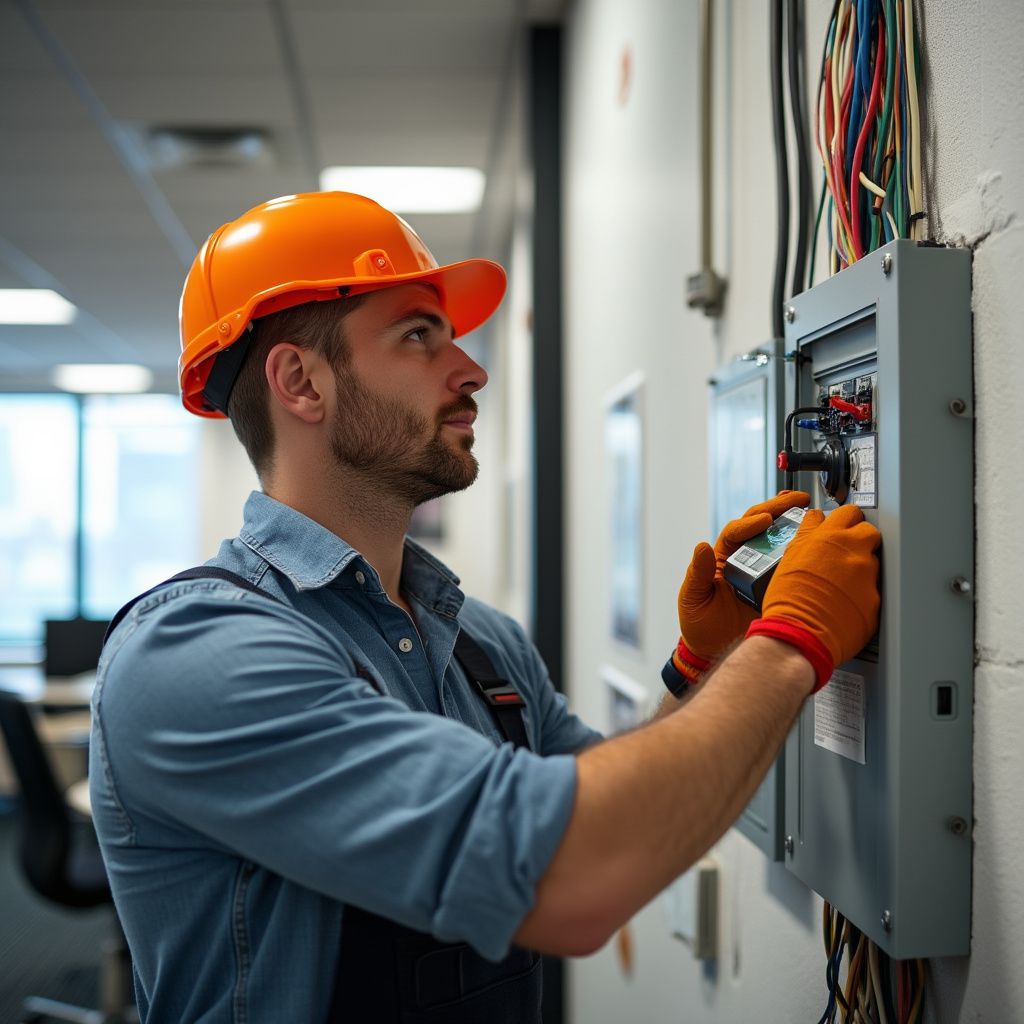
Personal protective equipment (PPE) is non-negotiable when working with electricity. Insulated gloves protect your hands from accidental contact with live wires, while safety goggles shield your eyes from sparks or debris. Wearing the right gear ensures your safety throughout the process.
Electrical Safety Guidelines
Following proper electrical safety practices minimizes risks and ensures the surge protector functions as intended.
Use a voltage tester to confirm no live current.
Even after turning off the main breaker, you must verify that no current is present. Use a voltage tester or multimeter to check the electrical panel and wires. This step confirms that the system is safe to handle. Never skip this step—it could save your life.
Ensure proper grounding to avoid electrical hazards.
Grounding is a crucial part of surge protection. A properly grounded system directs excess voltage safely into the earth, preventing damage to your appliances and reducing the risk of electrical fires. Double-check that the grounding wire is securely connected to the panel’s grounding bar.
When to Call a Professional
Sometimes, it’s best to leave electrical work to the experts. Knowing when to call a professional can save you time, money, and potential hazards.
If you are unfamiliar with electrical systems.
If you’re unsure about how electrical panels work or feel overwhelmed by the process, don’t hesitate to seek help. A professional electrician has the training and experience to handle the job safely and efficiently.
If your home’s electrical panel is outdated or complex.
Older or complex electrical panels can pose unique challenges. In such cases, a professional can assess the situation and recommend the best approach. They’ll ensure the surge protector integrates seamlessly with your system.
Taking these precautions ensures a safe and successful installation. Whether you choose to proceed on your own or hire a professional, prioritizing safety is always the right decision.
Step-by-Step Guide on How to Wire a Surge Protector
Installing a whole-house surge protector is a straightforward process when broken into manageable steps. Let me guide you through the process to ensure your home is protected from power surges.
Shutting Off Power
Locate the main breaker and turn it off.
The first step in surge protector installation is ensuring safety. Head to your electrical panel and locate the main breaker. Flip the switch to the “off” position to cut power to your entire home. This step eliminates the risk of electric shock while working on the panel.
Confirm power is off using a voltage tester.
After turning off the main breaker, use a voltage tester to verify that no electricity is flowing. Place the tester on the panel’s terminals or wires to confirm the absence of live current. Skipping this step could lead to serious injuries, so always double-check.
Mounting the Surge Protector
Choose a location near the electrical panel.
Select a spot close to the electrical panel for mounting the surge protector. The shorter the wires connecting the surge protector to the panel, the more effective the surge protection will be. Most manufacturers recommend installing the device either inside or directly adjacent to the panel box.
Secure the surge protector using screws or mounting brackets.
Once you’ve chosen the location, secure the surge protector in place. Use screws or mounting brackets provided in the package. Follow the manufacturer’s instructions to ensure proper placement. A stable mount prevents the device from shifting or disconnecting over time.
Wiring to the Breaker
Connect the surge protector’s wires to a double-pole breaker.
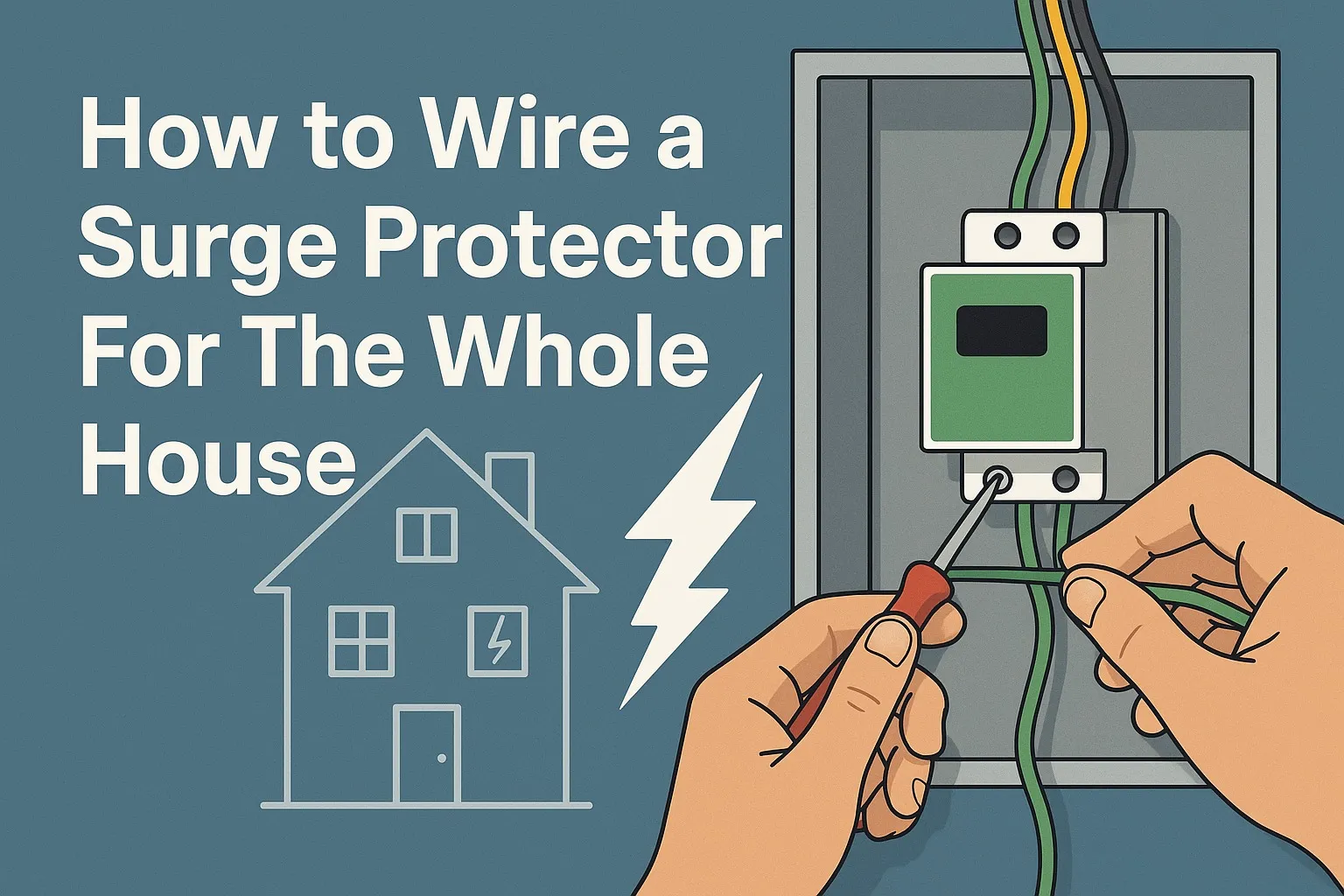
Now, it’s time to wire the surge protector to the breaker. Most whole-house surge protectors come with three wires: line (black), neutral (white), and ground (green). Attach the black wires to the double-pole breaker, the white wire to the neutral bar, and the green wire to the grounding bar. Always refer to the manufacturer’s wiring diagram for accuracy.
Follow the manufacturer’s wiring diagram for accuracy.
Each surge protector model may have specific wiring requirements. Carefully read the instructions included with your device. Proper wire connections are crucial for the surge protector to function effectively. Incorrect wiring can compromise surge protection and may even damage your electrical system.
By following these steps, you’ll complete the initial stages of how to wire a surge protector. In the next part of the guide, I’ll explain how to ground the surge protector and test the installation to ensure everything works as intended.
Grounding the Surge Protector
Grounding plays a vital role in ensuring the effectiveness and safety of surge protectors. Without proper grounding, the device cannot redirect excess voltage safely, leaving your home vulnerable to power surges. Let me guide you through the steps to ground your surge protector correctly.
Attach the grounding wire to the panel’s grounding bar.
Locate the grounding bar inside your electrical panel. This bar is typically a metal strip with multiple screws, designed to secure grounding wires. Take the green grounding wire from the surge protector and attach it to the grounding bar. Use a screwdriver to tighten the connection firmly. A loose connection can compromise the functionality of the surge protector, so ensure the wire is securely fastened.
Ensure all connections are tight and secure.
After attaching the grounding wire, inspect all other connections. Check the line, neutral, and ground wires to confirm they are properly connected to their respective terminals. Tighten any screws that feel loose. A secure connection minimizes the risk of electrical faults and ensures the surge protector operates as intended. Always follow the manufacturer’s instructions for wire placement and tightening guidelines.
Testing the Installation
Once the surge protector is grounded and wired, testing the installation is the final step. This ensures the device is functioning correctly and ready to protect your home from power surges.
Turn the main power back on.
Return to the main breaker panel and flip the main breaker switch to the “on” position. This action restores electricity to your home. Stand clear of the panel while turning the power back on to avoid any potential hazards. If you hear unusual sounds or notice sparks, immediately turn the power off and recheck the connections.
Check the surge protector’s indicator lights to confirm functionality.
Most surge protectors come equipped with indicator lights that signal their operational status. Look for a green light or any other indicator specified in the user manual. This light confirms that the surge protector is active and ready to handle power surges. If the indicator light does not turn on, double-check the wiring and grounding connections. Refer to the manufacturer’s troubleshooting guide if necessary.
Completing these steps ensures your surge protector is installed correctly and functioning as a reliable shield against power surges. Regularly inspect the device to maintain its performance and replace it if the indicator light signals a fault.
DIY vs. Hiring a Professional to Install Whole House Surge Protector
When deciding to install whole house surge protector systems, you face two options: doing it yourself or hiring a professional. Each approach has its own advantages and challenges. Let me break it down for you so you can make an informed choice.
Pros and Cons of DIY Installation
Cost savings and learning experience
Installing whole-house surge protectors on your own can save money. You avoid labor fees, which can significantly reduce the overall cost. Additionally, taking the DIY route offers a valuable learning experience. You gain hands-on knowledge about your home’s electrical system and how surge protectors function. This understanding can help you troubleshoot minor issues in the future.
Risk of improper installation and safety hazards
However, DIY installation comes with risks. Improper wiring or grounding can render the surge protector ineffective. Worse, it may lead to electrical hazards like short circuits or fires. Without the right tools or experience, you might struggle to follow the manufacturer’s instructions accurately. Mistakes during installation could compromise the safety of your home and appliances.
Benefits of Hiring a Professional
Expertise and proper tools
Professionals bring expertise and specialized tools to the table. They understand the intricacies of electrical panels and know how to wire surge protectors correctly. Their experience ensures that the installation meets safety standards and functions as intended. A professional can also assess your home’s electrical system to recommend the best surge protection solution.
Warranty on installation and peace of mind
Hiring a professional often comes with added benefits like warranties on their work. If something goes wrong, they’ll fix it without additional charges. This peace of mind is invaluable, especially when dealing with critical systems like whole-house surge protectors. You can trust that the job is done right the first time, reducing the risk of future issues.
Cost Comparison
Average cost of DIY materials
The cost of materials for a DIY installation typically ranges from $100 to $300. This includes the surge protector itself, wires, and any additional tools you might need. If you already own basic tools like screwdrivers and voltage testers, your expenses will be lower. However, purchasing high-quality materials is essential to ensure effective surge protection.
Typical fees for professional installation
Professional installation costs vary depending on your location and the complexity of your electrical panel. On average, you can expect to pay between $300 and $700 for labor and materials. While this option is more expensive upfront, it eliminates the risks associated with DIY installation. The added cost often includes a warranty, making it a worthwhile investment for many homeowners.
When choosing between DIY and professional installation, consider your skill level, budget, and the importance of safety. If you feel confident in your abilities and have the necessary tools, a DIY approach can be rewarding. On the other hand, hiring a professional ensures a seamless and secure installation process. Either way, installing whole-house surge protectors is a step toward protecting your home and electronics from unexpected power surges.
Potential Challenges and Common Mistakes to Avoid
Installing surge protectors for your entire home can seem straightforward, but challenges often arise during the process. Understanding these obstacles and avoiding common mistakes ensures a smoother installation and effective surge protection. Let me guide you through potential hurdles and how to overcome them.
Challenges During Installation
Difficulty in accessing the electrical panel.
One of the first challenges you might face is accessing the electrical panel. Panels are often located in tight or inconvenient spaces, such as basements, garages, or utility closets. Limited space can make it hard to maneuver tools or see the connections clearly. Poor lighting in these areas adds to the difficulty. To address this, ensure the workspace is well-lit and clear of obstructions before starting.
Identifying the correct breaker for wiring.
Another common challenge is identifying the correct breaker for wiring the surge protector. Electrical panels can be confusing, especially if the breakers are not labeled properly. Connecting the surge protector to the wrong breaker can compromise its ability to handle power surges. To avoid this, take time to label breakers if they aren’t already marked. Use a voltage tester to confirm the correct breaker before proceeding.
Common Mistakes to Avoid
Failing to turn off the main power supply.
One of the most dangerous mistakes is forgetting to turn off the main power supply. Working on a live electrical panel poses serious risks, including electric shock or even fire. Always locate the main breaker and switch it off before starting any work. Double-check with a voltage tester to ensure no current is flowing.
Incorrectly connecting wires or skipping grounding.
Improper wiring is another frequent mistake. Surge protectors require precise connections to function correctly. Skipping grounding or connecting wires to the wrong terminals can render the device ineffective. Worse, it may lead to electrical hazards. Always follow the manufacturer’s wiring diagram and ensure all connections are secure. Grounding is essential for directing excess voltage safely into the earth, protecting your home from power surges.
How to Overcome Challenges
Consult the surge protector’s manual for guidance.
The manual provided with your surge protector is an invaluable resource. It contains detailed instructions and diagrams specific to your model. Refer to it whenever you feel uncertain about the installation process. Manuals often include troubleshooting tips, helping you address common issues effectively.
Seek professional help if unsure.
If you encounter challenges that feel overwhelming, don’t hesitate to call a professional electrician. Professionals have the expertise and tools to handle complex installations. They ensure proper wiring, grounding, and adherence to safety standards. Hiring an expert eliminates the risk of improper installation and provides peace of mind.
By anticipating these challenges and avoiding common mistakes, you can install surge protectors confidently and effectively. Whether you choose to tackle the project yourself or hire a professional, prioritizing safety and accuracy guarantees reliable surge protection for your home.
Installing a whole-house surge protector is a vital step in safeguarding your home and electronics. Power surges can strike unexpectedly, causing irreversible damage to appliances and devices. Surge protection ensures your home remains shielded from these risks. Always prioritize safety during installation and consult a professional if you feel uncertain. Regular maintenance is equally important. Devices may still get damaged if the surge protector malfunctions, so inspect it periodically to confirm it’s working properly. Taking these steps guarantees long-term protection and peace of mind for your household.