Have you ever thought about how much we rely on our electronics every day? From laptops to refrigerators, these devices keep our lives running smoothly. But here’s the thing—power surges can strike without warning, and they’re more common than you might think. A sudden spike in voltage can fry your devices in seconds, leaving you with expensive repairs or replacements. That’s where surge protectors come in. They act like bodyguards for your electronics, shielding them from dangerous voltage spikes.
You might wonder, what does a surge protector protect against? Well, it’s not just about saving your gadgets. It’s also about preventing potential hazards, like electrical fires, that could put your home at risk.
To give you an idea of how serious power surges are, take a look at these stats:
|
Statistic |
Percentage |
|---|---|
|
Unplanned outages caused by power surges |
34% |
|
Reported power surge interruptions (12 months) |
49% |
|
Equipment failures caused by surges (5 years) |
78% |
These numbers show why surge protectors are more than just a convenience—they’re a necessity. Protecting your home and electronics starts with understanding the risks and taking action.
What Does a Surge Protector Protect Against?
Protection Against Power Surges
Let’s start with the big one—power surges. These sudden voltage increases can wreak havoc on your electronics. I’ve seen it happen countless times. A power surge might hit after a lightning strike or when the utility grid experiences fluctuations. Even something as simple as a downed power line can send a surge through your home’s wiring.
Here’s a quick list of common causes of power surges:
-
Lightning strikes
-
Downed power lines
-
Faulty wiring
-
Utility grid fluctuations
-
Overuse of electrical devices
Surge protectors step in as the first line of defense. They absorb or redirect excess voltage, keeping your devices safe. Without them, you’re leaving your electronics vulnerable to damage that can build up over time or happen instantly.
Safeguarding Electronics from Voltage Spikes
Voltage spikes are like power surges on steroids. They’re shorter but much more intense. A spike might last only a nanosecond, but that’s enough to fry your electronics. Lightning strikes and power supply failures are common culprits. Here’s the difference: power surges last longer and can cause gradual damage. Voltage spikes, on the other hand, are immediate and severe. Imagine plugging in your laptop, and poof—it’s gone.
That’s why surge protectors are so important. They handle both surges and spikes, ensuring your electronics stay safe.
Preventing Electrical Fires
Now, let’s talk about safety. Power surges and voltage spikes don’t just damage electronics. They can also overheat your wiring, leading to electrical fires. This is where surge protectors shine. By managing excess voltage, they reduce the risk of overheating and fire hazards.
Think about it—your home’s safety is on the line. A small investment in surge protectors can save you from a much bigger disaster. It’s not just about protecting your gadgets; it’s about protecting your peace of mind.
What Are Power Surges and Their Causes?
Defining Power Surges
Let’s break it down. A power surge is a sudden spike in voltage that flows through your electrical system. It’s like a wave of energy that’s too strong for your devices to handle. When this happens, your electronics can overheat, malfunction, or even stop working altogether. It’s not just about the damage you can see. Sometimes, these surges cause internal wear and tear that shortens the lifespan of your devices.
External Causes of Power Surges
External power surges come from outside your home. They’re often unpredictable and can happen more frequently than you might think.
Lightning Strikes
Lightning is one of the most dramatic causes of external power surges. When lightning strikes near power lines, it sends a massive surge of electricity through the grid. This surge can travel into your home and damage anything plugged in. Even if the strike happens miles away, it can still affect your electronics.
Utility Grid Issues
The utility grid isn’t perfect. External power surges can occur during bad weather, when trees fall on power lines, or even when animals come into contact with electrical equipment. Accidents involving power lines and normal utility operations, like switching between grids, can also cause surges.
Here’s a quick list of common external causes:
-
Bad weather
-
Downed trees
-
Lightning
-
Animals contacting lines
-
Accidents involving power lines
-
Neighbors using major power equipment
-
Normal utility operations
Internal Causes of Power Surges
Internal power surges originate inside your home. They’re often caused by the way we use electricity daily.
High-Power Appliances
Ever notice the lights flicker when your air conditioner or refrigerator kicks on? That’s because high-power appliances draw a lot of electricity when they start up. This sudden demand can create internal power surges that affect other devices in your home.
Faulty Wiring
Faulty wiring is another common cause of internal power surges. If your home’s electrical system isn’t up to code or has damaged wires, it can’t handle the flow of electricity properly. This can lead to surges that put your electronics and even your safety at risk. Understanding these causes helps you take steps to protect your home. Whether it’s investing in surge protectors or addressing wiring issues, you can minimize the risks and keep your devices safe.
Types of Surge Protectors and Their Applications
Not all surge protectors are created equal. Each type serves a specific purpose, and knowing which one to use can make a big difference in protecting your home and electronics. Let’s dive into the most common types and how they work.
Power Strip Surge Protectors
How They Work
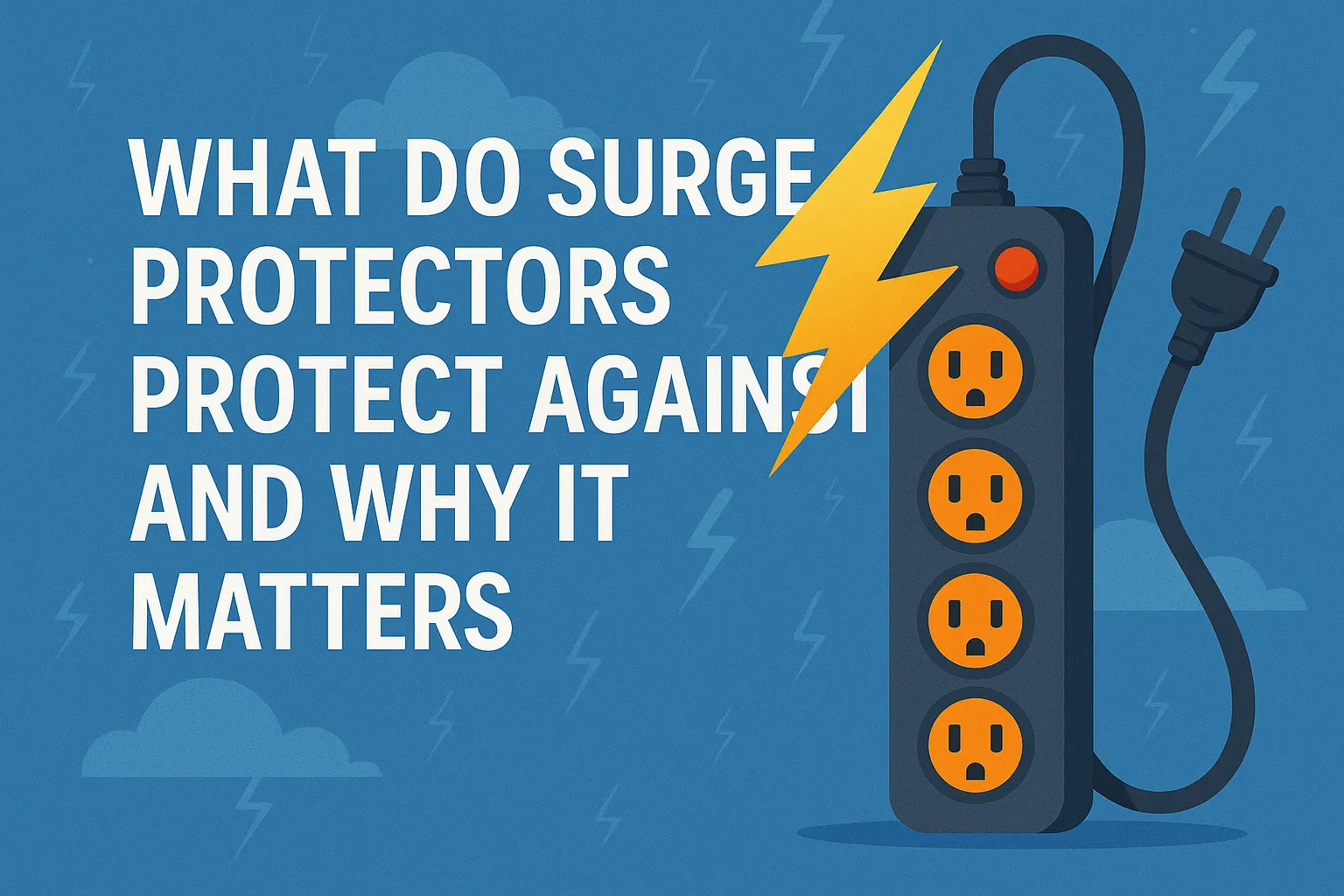
Power strip surge protectors are what most people picture when they think of surge protection. These are the traditional surge protectors you plug into a wall outlet. They look like regular power strips but come with built-in surge protection to guard against voltage spikes. When a surge occurs, these devices redirect the excess voltage away from your electronics, keeping them safe.
Best Use Cases
These are perfect for point-of-use surge protectors. I recommend using them for individual devices like computers, TVs, or gaming consoles. They’re affordable and easy to use—just plug them in, and you’re good to go.
However, they have limitations. They can’t handle large surges, like those caused by lightning strikes, and their surge protection wears out over time.
|
Feature |
Power Strip Surge Protectors |
Whole-House Surge Protectors |
|---|---|---|
|
Protection Scope |
Protects only devices plugged into it |
Protects all devices in the home |
|
Surge Handling Capability |
Limited, may not handle large surges |
Built to handle significant power surges |
|
Installation |
Plug-and-play, no installation required |
Requires professional installation |
|
Cost |
Generally inexpensive |
Higher initial cost due to installation and equipment |
|
Lifespan |
Surge protection can degrade over time |
Longer lifespan, designed for comprehensive protection |
Whole-House Surge Protectors
How They Protect Your Home
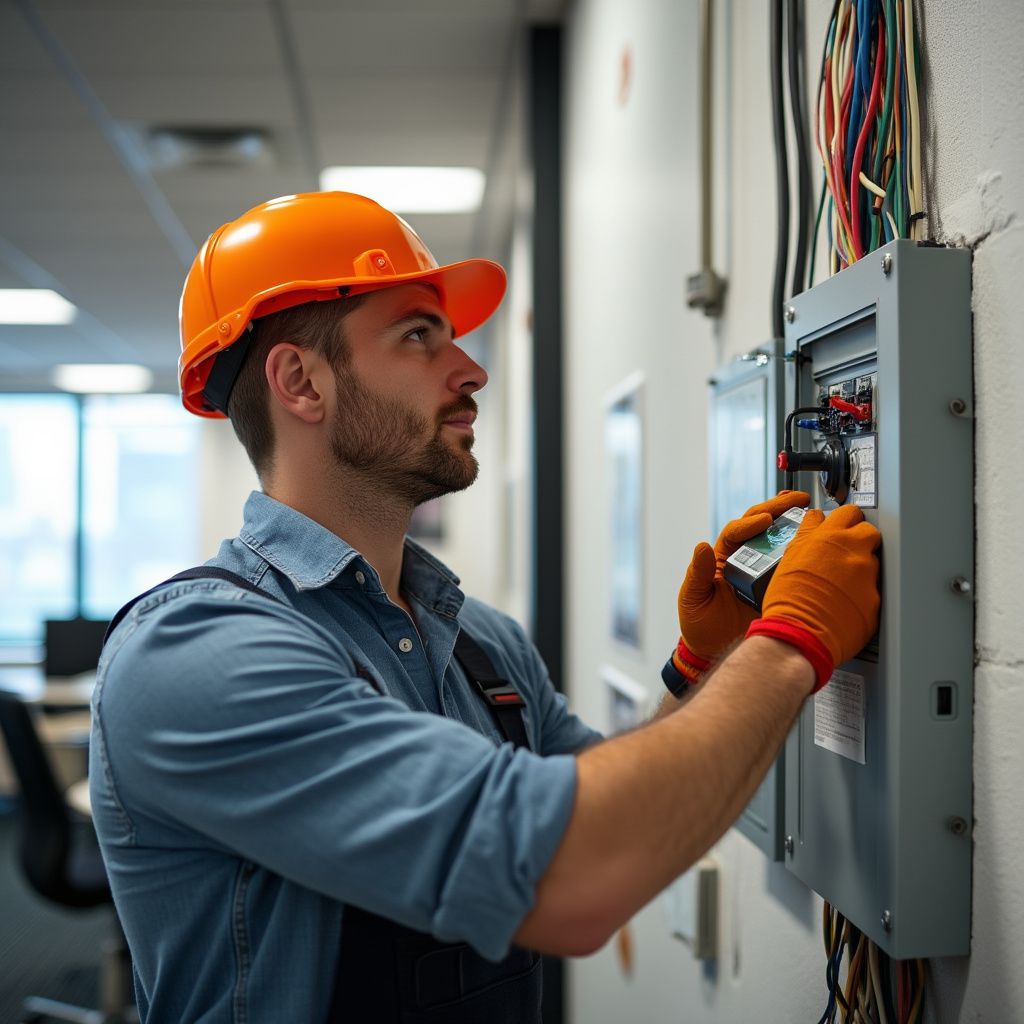
Whole-house surge protectors offer comprehensive lightning protection. These devices connect directly to your home’s electrical panel, safeguarding every outlet and appliance. They’re designed to handle significant power surges, including those caused by lightning or utility grid issues. When a surge hits, they divert the excess voltage, preventing damage to your electronics.
When to Install One
If you live in an area prone to storms or power fluctuations, installing a whole-house surge protector is a smart move. While the upfront cost is higher, the long-term benefits outweigh it. These protectors reduce the risk of damage from high-surge events and even internal surges caused by appliances. Professional installation is required, but it’s worth the peace of mind.
-
Whole-house surge protectors handle voltage spikes from lightning and appliance cycling.
-
They protect against up to 80% of surges originating inside the home.
-
They’re more effective than traditional surge protectors for high-surge situations.
Specialized Surge Protectors
For HVAC Systems and Phone Lines
Some appliances, like HVAC systems, need extra protection. Specialized surge protectors are designed for these high-value systems. They shield sensitive electrical components from major surges, extending the lifespan of your HVAC unit. This also helps maintain efficiency, which can lower energy bills.
-
Protects expensive HVAC systems from damage.
-
Reduces the likelihood of costly repairs.
-
Prolongs the operational life of sensitive components.
Portable Options for Travel
Traveling with electronics? Portable surge protectors are a lifesaver. These compact devices provide point-of-use surge protection for laptops, phones, and other gadgets. They’re small enough to fit in your bag but powerful enough to protect against voltage spikes in unfamiliar outlets.
Whether you’re at home or on the go, there’s a surge protector for every situation. Choosing the right one ensures your devices stay safe and your home remains protected.
Limitations of Surge Protectors
Even though surge protectors are incredibly useful, they’re not perfect. Let’s talk about what they can’t do and why understanding their limitations is just as important as knowing their benefits.
What Surge Protectors Cannot Do
No Protection Against Direct Lightning Strikes
Here’s the truth: surge protectors can’t shield your home from direct lightning strikes. The sheer power of a lightning strike overwhelms even the best surge protection device.
While surge protectors can handle smaller lightning surges, a direct hit releases an enormous amount of energy that no device can manage.
This is why installing a whole-home surge protector is often recommended as an added layer of defense. It won’t make your home lightning-proof, but it can reduce the potential for equipment damage from smaller surges caused by nearby strikes.
Ineffectiveness During Power Outages
Surge protectors are designed to stop dangerous power surges, not to keep your devices running during outages. When the power goes out, your connected electronics will shut down. If you’re worried about voltage drops or keeping your devices powered, consider alternatives like battery backups or generators.
These options can help protect electronics and keep them running during outages.
Understanding Their Lifespan
How They Wear Out Over Time
Surge protectors don’t last forever. Every time they absorb a surge, they lose a bit of their protective capacity. Over time, this wear and tear add up, especially if your home experiences frequent voltage drops or surges. Think of it like a sponge—it can only soak up so much before it stops working effectively.
This is why it’s crucial to monitor your surge protectors and replace them when needed.
Signs You Need a Replacement
Not sure if your surge protector is still doing its job? Here are some signs to watch for:
-
If it’s several years old, it’s probably time for a replacement.
-
If it has absorbed its maximum joules capacity, it won’t protect your sensitive electronics anymore.
-
A blinking indicator light often means the surge protection is no longer effective.
-
Overloading it with too many devices can also cause it to fail.
-
Some home insurance policies may not cover damage caused by old or ineffective surge protectors.
Keeping an eye on these signs can save you from costly damage to your expensive electronics. Regularly replacing your surge protectors ensures your home and devices stay protected.
Surge protectors are a must-have for keeping your electronics safe and your home secure. They shield your devices from power surges and voltage spikes, which can silently reduce the lifespan of your appliances by up to 30%. Did you know the average home experiences over 20 energy spikes daily? That’s a lot of wear and tear on your gadgets!
Here’s what I always recommend:
-
Replace surge protectors every 2 to 3 years to keep them effective.
-
Use whole-house surge protectors for stronger, comprehensive protection.
-
Check the indicator lights regularly to ensure they’re working.
It’s also important to understand their limits. Surge protectors can’t handle direct lightning strikes or keep your devices running during outages. Combining whole-house and point-of-use protectors offers the best defense against both external and internal surges.
Taking these steps ensures your electronics last longer and your home stays safe. A little effort now can save you from costly repairs later.
FAQ
What is the difference between a surge protector and a power strip?
A power strip provides extra outlets but doesn’t protect against voltage spikes. A surge protector, on the other hand, shields your devices from power surges. Always check for a joules rating or a “surge protection” label to ensure you’re using the right one.
How do I know if my surge protector is still working?
Most surge protectors have an indicator light. If it’s off or blinking, the device may no longer provide protection. Replace it every 2 – 3 years or sooner if it has absorbed a significant surge. Don’t wait until it fails to act.
Can I plug a surge protector into another surge protector?
No, daisy-chaining surge protectors is unsafe. It can overload the circuit and reduce their effectiveness. Use a single surge protector per outlet to avoid potential hazards. If you need more outlets, consider a whole-house surge protector for comprehensive coverage.
Do surge protectors save energy?
Surge protectors don’t directly save energy. However, some models come with energy-saving features, like automatic shutoff for idle devices. These can help reduce electricity usage. Look for “smart” surge protectors if energy efficiency is a priority for you.
Are expensive surge protectors worth it?
Not always. The best surge protector depends on your needs. Higher-priced models often offer more joules and advanced features, but even budget-friendly options can provide solid protection. Check the joules rating and warranty to ensure you’re getting good value for your money.